The future of Formula One
Yes, the sport is up for sale.
It’s just a question of price.
Yes, the sport is up for sale.
It’s just a question of price.
Motor racing lost a legend at Hockenheim 43 years ago today. It’s a good day to take a few moments to remember.

Come to think of it – so has Force India:
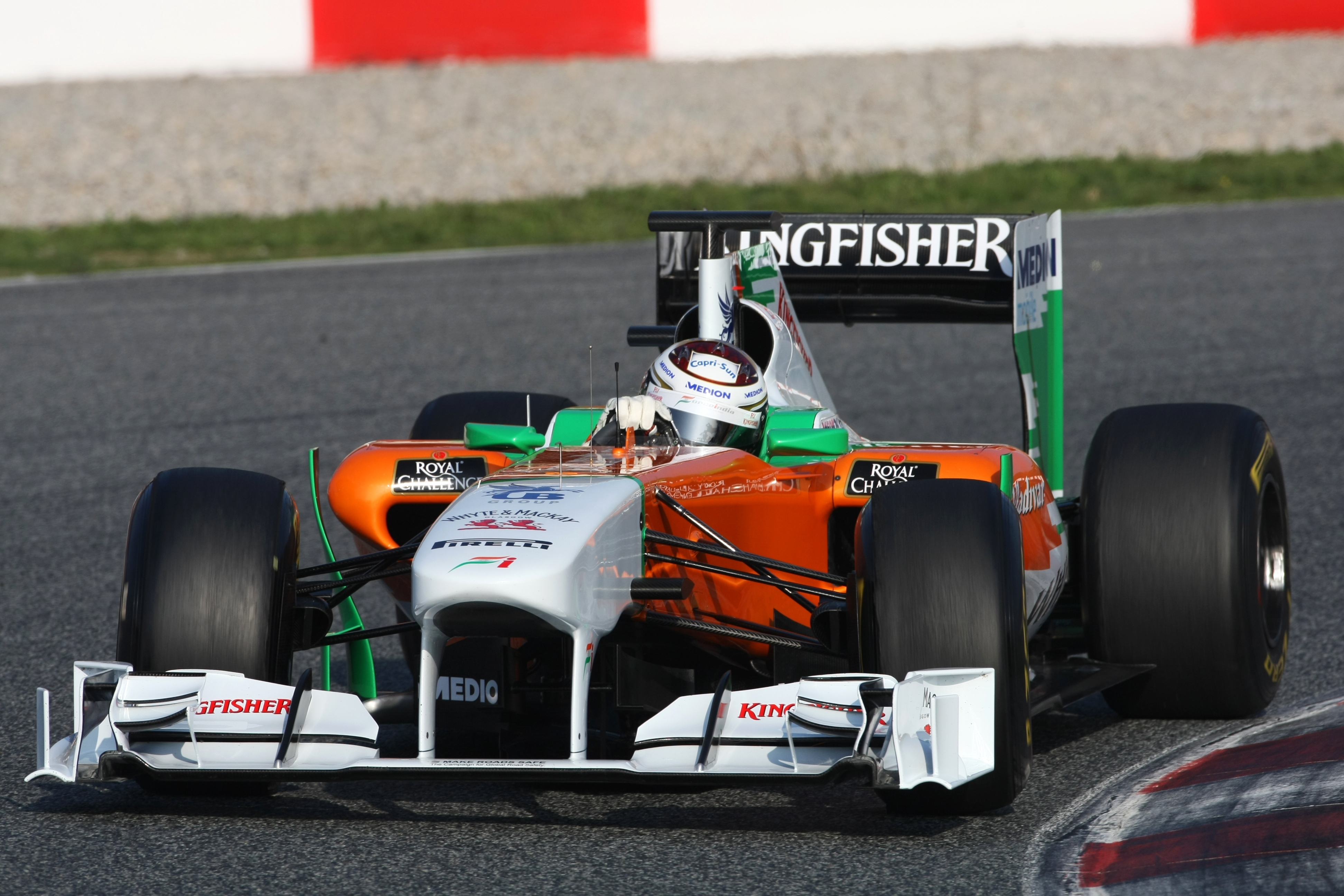
Adrian Sutil in VJM04
The next two are from the recent test in Jerez:
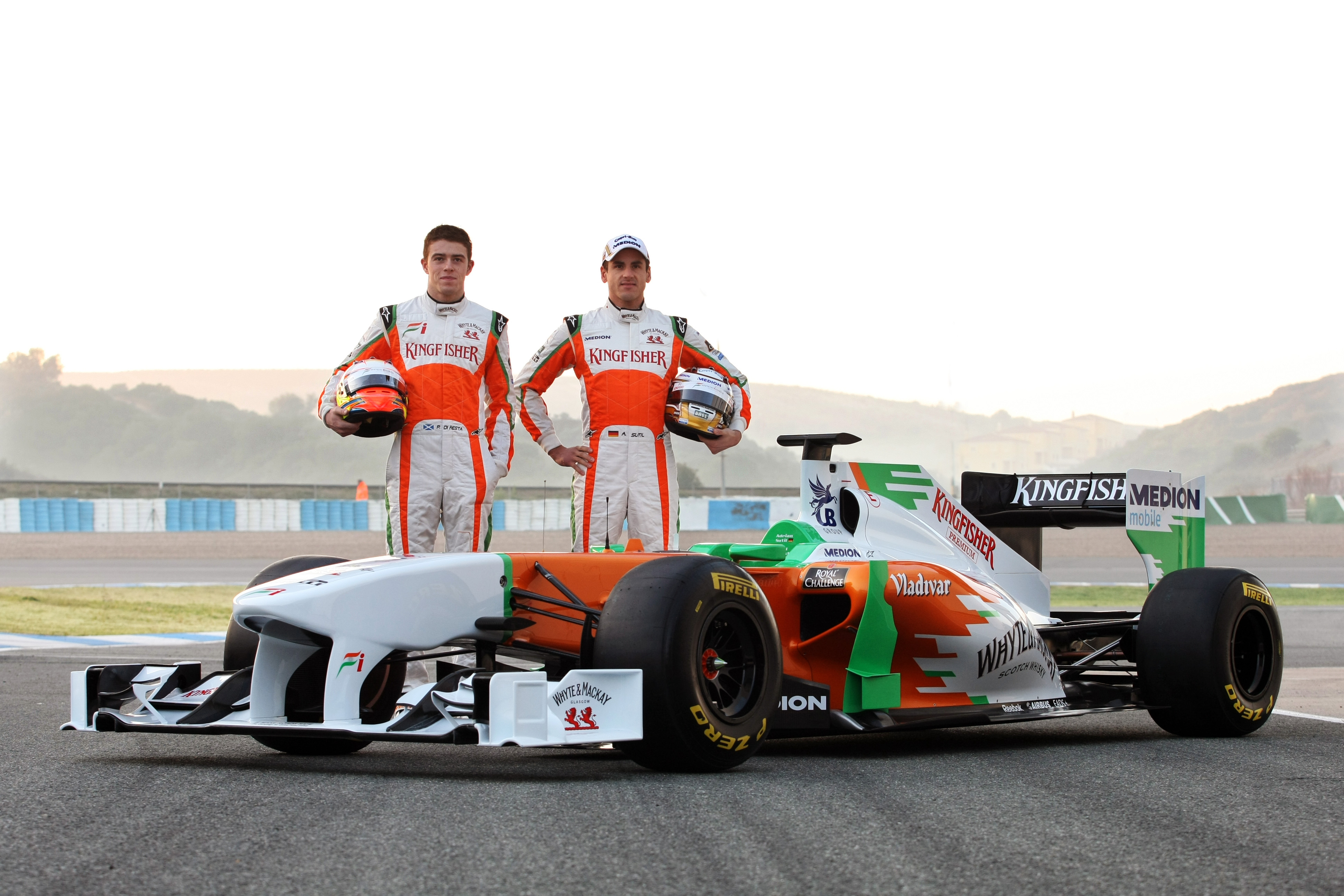
(L-R): Paul di Resta with team mate Adrian Sutil and the new VJM04

Adrian Sutil in VJM04 during testing, Friday 11 February 2011
The team has released some stunning images from its recent Barcelona test


SUMMARY JUDGEMENT APPLICATION
Hingham, UK 24 January 2011
Team Lotus is delighted that we were successful at the Summary Judgment Application hearing today and that the Judge threw out Group Lotus’ application even before hearing the arguments of the barristers on either side.
Although this decision was never in doubt, it means that we start the 2011 season under the Team Lotus name. Whilst we expected that the Judge would refuse this application, it is good to have the decision in black and white.
The Judge also felt that it was in everyone’s best interests to bring the hearing date for the full trial forward and that is now fixed for 21 March rather than us having to wait until Autumn 2011 or even later. We remain confident that we will succeed at the full trial and we can now focus on the challenges ahead in the 2011 FIA Formula One World Championship.
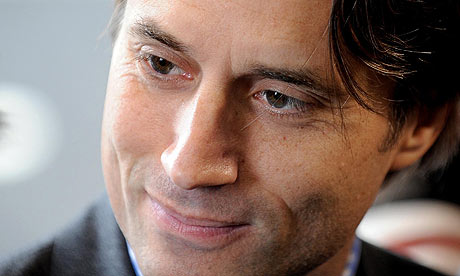
Williams chief exec Adam Parr
For some years Sir Frank Williams has been considering how to secure the long-term ownership of his racing organisation such that it will remain true to the aims with which Patrick and he established the team back in 1977. Says Williams:
“My goal then was to race in Formula One as an independent Constructor. This was and is my great passion and I will race for as long as I continue to be blessed with good health. It is also my desire that the team is in good shape to go on racing long after I am gone. To that end, it is prudent and necessary to plan for an ownership structure that will enable Williams to be an independent Constructor, owned and staffed by people committed to Formula One and to the sound business practices which have supported us over three decades.
“I have concluded that the option which will best achieve this is to broaden our shareholder base with public shareholders, while having a stable core of long-term investors closely involved in the running of the team. This will ensure stability, good governance and will, I believe, enable us to attract and retain the best people and partners.
“Patrick, Toto and I are therefore examining this option closely and, if the environment is propitious, we may act in the near future. Regardless of whatever steps we take, I shall remain the majority and controlling shareholder and the Team Principal of AT&T Williams.”
Q&A WITH ADAM PARR – CHAIRMAN, WILLIAMS F1
Q: It sounds like Williams is considering a flotation on the stock exchange. Would that be correct?
ASP: Yes, it would be correct to say that Williams F1 is considering a flotation on the stock exchange. At this stage, all we have concluded is that it is the best way to secure the future of the team and its 450 employees.
Q: What is the timetable?
ASP: As the plan develops we will provide further information.
Q: Is retirement a current consideration for Frank?
ASP: No. Retirement is categorically not on Frank’s agenda. Anyone who knows Frank knows this.
Q: Are there any concerns surrounding Frank’s health?
ASP: No. Frank’s health is absolutely fine.
Q: What other options has the Board investigated?
ASP: We have had many approaches in the past, but none have offered the same benefits as this route.
Q: Toto Wolff invested in the team in November 2009. What is his future role?
ASP: Toto is a non-executive director and a significant shareholder in the company. He has already established himself as an important part of the team and he will play a central role in its future.
Q: If Williams were to go public, what are the implications for the team’s partners and relations with the FIA and FOM?
ASP: The team has always enjoyed honest and open relationships with its partners, the governing body of the sport and the commercial rights-holder. Whether we are a public or private company, this will not change.
Q: Would any flotation involve raising funds for the company?
ASP: No.
Q: Does Williams F1 have the financial track record to support a flotation?
ASP: Yes, we believe we do. The company has always been run on sound financial principles. In spite of the economic environment in recent years, we have turned a profit and generated positive cash-flow from operating activities in 2008, 2009 and 2010 and we have a fully contracted budget for 2011.
Last month’s exciting finale to the 2010 FIA Formula One World Championship marked the end of Cosworth’s first year back in the sport as an engine supplier following a three year absence. It saw the Northamptonshire engineering firm maintain its record for 100% race reliability with the Cosworth CA2010 engine.
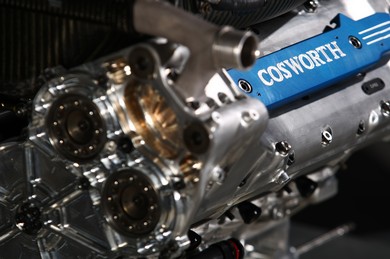
With 1,129 laps and 5,795km racing over 19 races, the Cosworth CA2010 engines supplied to AT&T Williams, Virgin Racing, HRT and Lotus Racing amassed over 100,000kms of race weekend running. The competitiveness of the engine was also noted, helping Williams to make steady progress with the Williams Cosworth FW32 package during the season to finish the year in 6th place in the Constructors’ World Championship.
On top of Cosworth’s return, the company’s electronics division continued to develop its long standing business activity in Formula One, supplying complete solutions to both HRT and Lotus, and steering wheels to all three of the new teams. Allied to Cosworth’s provision of wind tunnel control systems, this gave significant presence to the Cosworth Group throughout the paddock.
So Mark (Gallagher – General Manager of Cosworth’s F1 Business Unit), what’s your assessment of the 2010 season?
“We achieved all our key operational objectives from an engine supply perspective, providing our four customers – one third of the grid – with a competitive, reliable and affordable Cosworth CA2010 engine supported trackside by a dedicated team of technicians embedded within the teams, and backed up in Northampton by the personnel in engineering, manufacturing, build, test and operations.
“From a business perspective the season went well; we spent money where we needed to and we achieved the profitability required to continue investing in the programme. The relationships with our customers were good, and have developed well – so we can look back on the season with a good degree of satisfaction.”
Did the engine perform as expected?
“The Cosworth CA2010 was created in a very few months using the original CA2006 as the baseline, but revising it to produce peak power within a rev limit of 18,000rpm, a much extended duty cycle of up to three full race weekends, and fuel consumption correspondent with the ban on refuelling and increased emphasis on start-weights. I believe our engineers did an outstanding job.
“The engine performed very well in pre-season dyno-testing, but we knew that once it hit the track we would need to optimise its performance more fully. The fact that pre-season testing was rain affected, and that only one of our four customers took part in all the tests, rather limited the gathering of useful data.
“Once we started racing we had a couple of issues which, while not ‘show stoppers’, necessitated some action to revise the oil system and tackle slightly higher than expected power degradation. I am pleased to say the issues were quickly identified and tackled. Obviously we had an initial pool of engines already with the teams and it took a little time to cycle rebuilds through the system to revise specifications, but at no stage was the programme compromised and the best measure of that was total race reliability.”
What about actual results on track and pure performance?
“If you work in any significant aspect of Formula One whether as a team or a key technical supplier and don’t focus on winning, then there is no point being here. As a supplier of engine and electronics technologies Cosworth plays an important part in contributing to the overall package of the teams we work with but, ultimately, the chassis, the vehicle dynamics, the aerodynamics and the myriad of other systems which go to defining a Formula One car are not within our control. We therefore focus on making sure our technology behaves absolutely to the best of its abilities.
“The results on track in relation to the new teams were very much in line with our, and their, expectations. It was always going to be a three-way battle behind the vastly experienced teams, many of which have enjoyed manufacturer support over the last decade and therefore have extensive technical facilities and resources as well as deeply experienced personnel.
“Williams gave Cosworth a much better opportunity to show our true performance and together we achieved every possible points finish in 4th – 10th places and scored that pole position in Brazil which, whilst due to conditions, was a memorable milestone.”
Speaking of Williams, how does Cosworth view 2010?
“AT&T Williams is one of the very best teams in Formula One, with enormous capability and experience. We have worked hard to ensure that the Cosworth engine contributed successfully to their overall package and at all times they have demanded from us a constant push to optimise performance. We have no problem with that; it’s a very good thing because when you add our inherent motivation to the determination of a team such as Williams, success will come.
“The package started the season with the team demanding improvements in every area, but from Valencia onwards the results started to improve with both cars making it through to Q3 on a regular basis and both Rubens (Barrichello) and Nico (Hülkenberg) scoring points. Ultimately the package finished 6th in the Constructors’ World Championship and there were an increasing number of occasions when we could outpace Mercedes in qualifying and mix it with both them and Renault in the races. There is much reason to believe we have now achieved a good platform on which to build.”
Lotus Racing won the ‘battle of the new teams’; what’s your view of their achievement?
“Tony Fernandes and Mike Gascoyne set out with a number of goals for 2010 and appear to have achieved them all, particularly in terms of being the most successful of the new teams and achieving a degree of credibility which some of their critics did not expect.
“Considering that they only received their official entry in September 2009, it was an impressive effort and I am pleased to say Cosworth engines and electronics played a key part in helping them make the grid and deliver a consistent performance.
“Unfortunately a number of issues involving their transmission system set the team on a different course in terms of seeking a new engine-transmission pairing for 2011 – but none of the reasons for their decision to switch to an alternate engine had anything to do with the performance of the CA2010. We wish them all the best for the future.”
How do you feel HRT performed in 2010?
“One of the benefits of supplying engines and electronics to teams is the extent to which you get to know them, and although HRT have come in for a lot of criticism in relation to on-track performance, I think the team pulled together incredibly well and did a very solid job all year.
“Their reliability was actually very impressive and, when one considers that it was only mid-February when Dr Kolles took over as Team Principal, in many respects their accomplishment in building the cars and competing in all 19 events against a backdrop of easy-to-make criticism, deserves reward.
“Bruno Senna, Karun Chandhok, Sakon Yamamoto and Christian Klien all did their best, trying not to create traffic problems for the truly competitive cars, and yet adding to the show for race going spectators and the audiences in their home countries. The team deserves to progress.”
Can you comment on Virgin Racing’s year and also the recent deal with Marussia Motors?
“Virgin Racing made enormous strides throughout 2010, coping with some severe reliability problems early on to achieve improved performances and ultimately real credibility as a team. Under John Booth’s direction the team never made any secret of the fact that this was going to be a learning year, and Nick Wirth’s CFD-designed VR01 acquitted itself well against Lotus and gave the team a lot to build on for next season.
“The investment by Marussia Motors is good news for the team, and also for Cosworth, as we have worked with Marussia for over a year and are currently delivering powertrains to Moscow for production of the very attractive Marussia B1 sportscar. Having two customers come together in one team gives us much to look forward to, and Marussia Virgin Racing will no doubt add new interest to the sport in Russia in addition to that already created by Vitaly Petrov and the forthcoming Russian Grand Prix in 2014.”
The first race of the 2011 season is in exactly 100 days time – how are preparations going?
“This is a very busy time of year and work on 2011 started months ago with the development of the KERS drive which is currently being tested. We are working closely with AT&T Williams, Marussia Virgin Racing and HRT to support their pre-season testing, car launches and start-of-season activities, and we expect to be running both the standard CA2010 and KERS version of the engine next season.
“We are also restructuring some of our internal systems to improve processes wherever possible, so the coming weeks will be typically hectic. We are very much looking forward to 2011.”
Finally, from a personal perspective, how has your first year at the helm of Cosworth’s F1 business gone?
“When I accepted the role here I was under no illusion that it would be a demanding job, but ultimately very rewarding. It has met both those expectations to a much greater extent than I imagined!
“I learned from my time running a championship winning team in A1GP that it is vitally important to let engineers and technicians do what they do best, empower them to get on with the job, and focus on making sure the contracts are fulfilled and the business operates profitably. I have learned a great deal too, which means that the role is always interesting; but most of all I have learned about the wider capabilities of the Cosworth Group.
“It is to my frustration that the F1 audience still views Cosworth as an ‘engine’ company when in fact we are a great deal more than that today. The electronics, aerospace and defence and automotive work that goes on here is astonishing, yet unfortunately a well-kept secret. Part of what we will be doing in the future is communicating more effectively the highly diversified engineering and manufacturing business that Cosworth represents.”
The saga continues…
For the third day running, yet more images of the Korea International Circuit. This time, it’s a lot of very worried looking officials walking down the tarmac rather sheepishly, and shaking hands. The body language speaks volumes:


FIA Formula One Race Director and Safety Delegate Charlie Whiting has carried out a site inspection and approved all the facilities. Not surprisingly, the green light was welcomed by promoter, the Korea Auto Valley Operation (KAVO).
Said KAVO and Korea Automobile Racing Association (KARA) Chairman, and FIA Formula One Commission member, Yung Cho Chung, who hosted Whiting for the inspection of the 5.615km track and infrastructure facilities:
“We are delighted that all works are now finished to the complete satisfaction of the FIA, and we join the whole of Korea in welcoming the Formula 1 fraternity to the Korea International Circuit for the first time.”
The event has the full backing of South Korea’s Central Government, as well as the Government of South Jeolla Province, where the circuit is located, and its Governor Park Jun-yeong.
The Korea International Circuit is designed as a dual structure: the 5.615km Formula 1 track, which will include elements of a street circuit and has a 1.2km straight, and a shorter, permanent circuit of 3.045km.
The track was designed by Hermann Tilke, and incorporates local elements such as the roof of the main grandstand which resembles the eaves of traditional Korean ‘hanok’ houses. A total of 130,000 spectators will be accommodated at the circuit, with 16,000 seats in the main grandstand.
More aerial images of the Korea International Circuit, just over today:


Still looks like a building site to me. Not enough spectator areas either. And will the track surface settle before the race at the end of next week?
Just in case you were wondering whether the Korean GP is a goer or not for the 24 October, here are two circuit snaps that have just been sent to me. They were taken on 8 October:
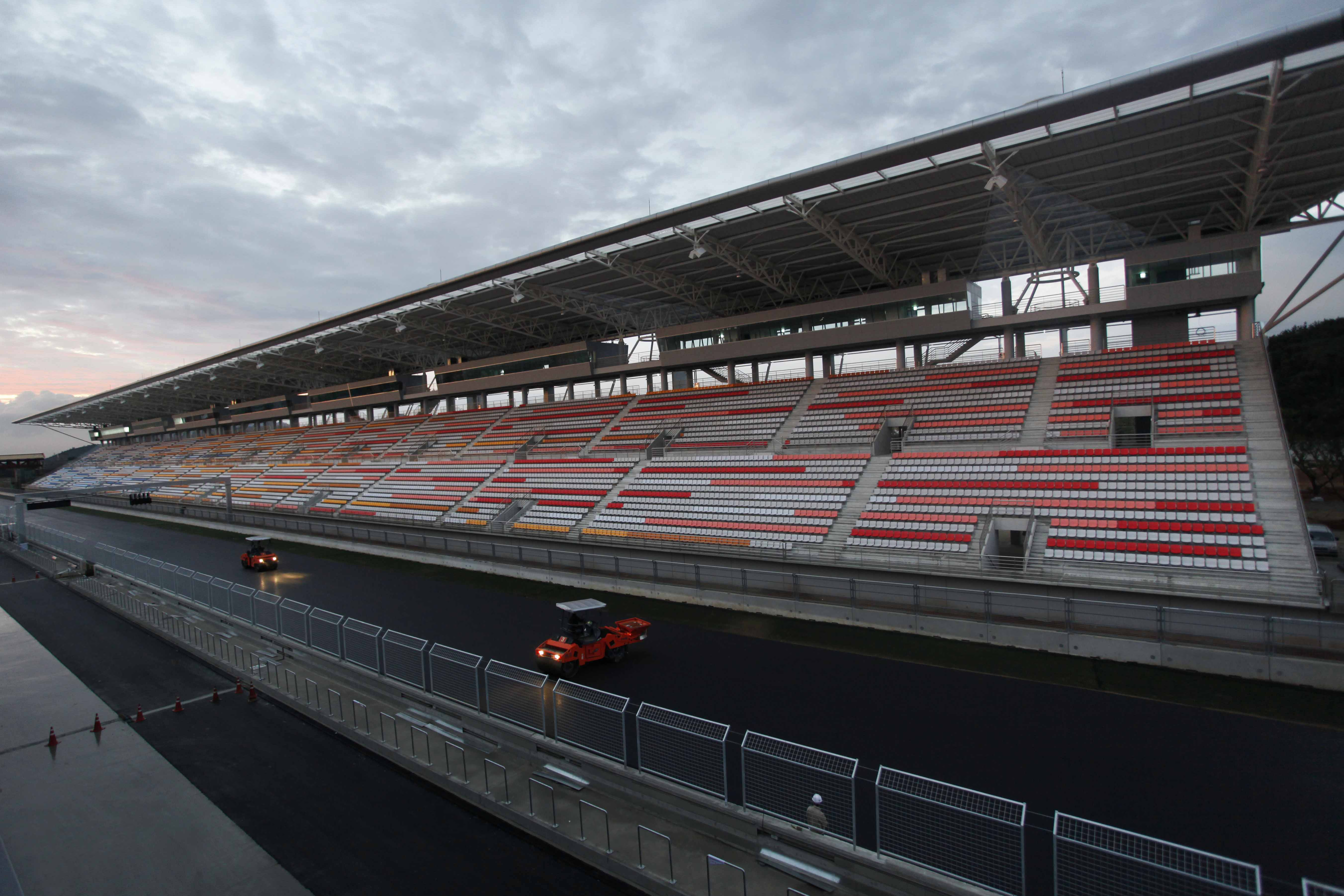
Grandstand seating looks OK. Laying the tarmac a bit late though…
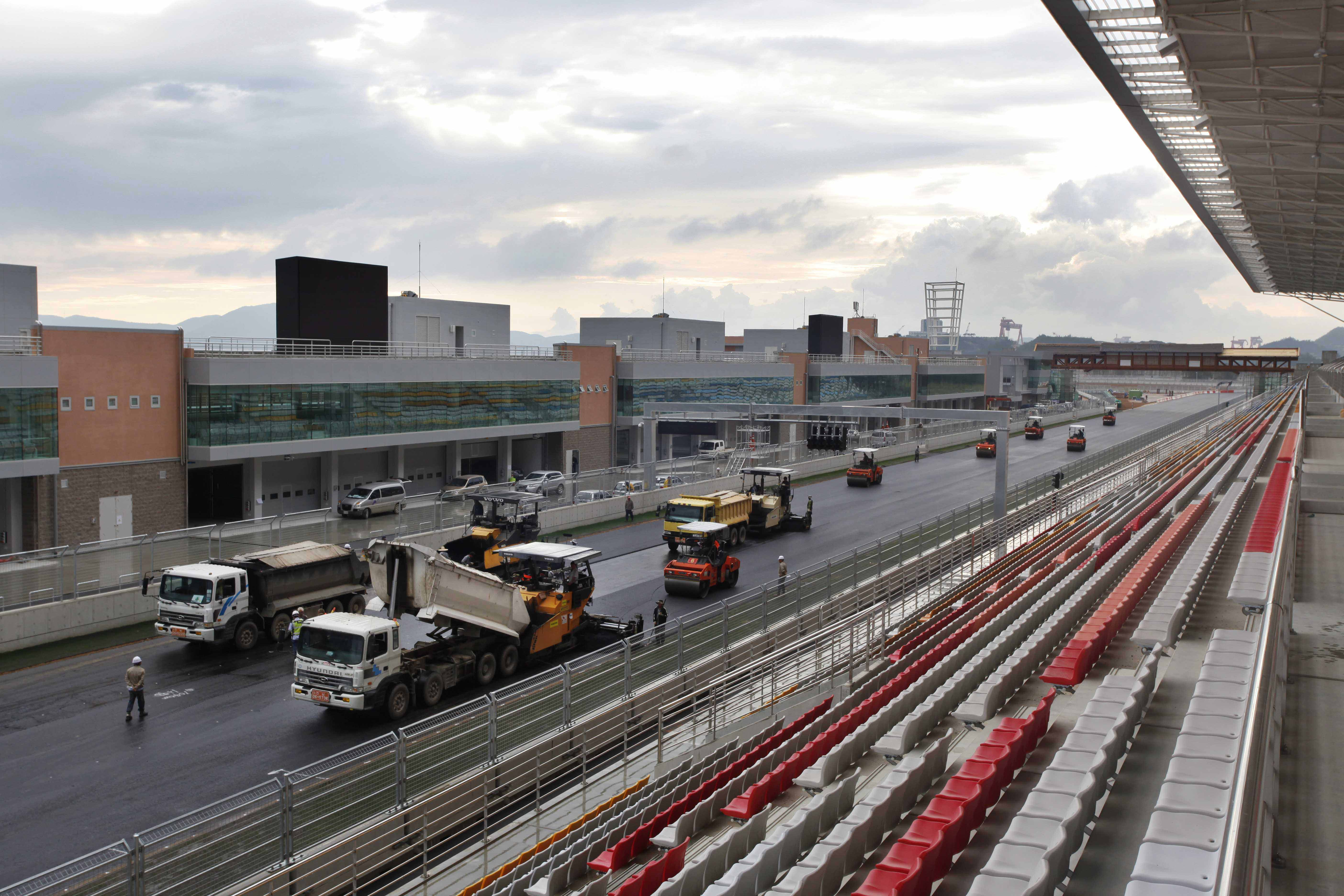
Let’s see what the FIA inspection reveals in the next few days.

The technology specialist has done a sensational job in providing a third of the grid with competitive, efficient and reliable engines this season.
Reliability is a central pillar of any racing programme – particularly on engines considering the 8-engine-per-driver rule. Unfortunately good reliability is a non-story and engines only tend to get noticed when there are clouds of smoke and pistons on the track.
Adding the distances achieved in Hungary, the total cumulative mileage for the Cosworth CA2010 engine in 12 race weekends is just over 58,000km across four teams – without a single engine failure.
But – how does the CA2010 rate in terms of ultimate performance?
Says General Manager of Cosworth’s F1 Business Unit, Mark Gallagher:
“It’s a very competitive engine. The results that AT&T Williams have been scoring since Valencia, with consistent Q3 performances and targeting a move up the Constructors’ table, illustrates that.
“When Rubens Barrichello overtook Michael Schumacher yesterday, he went on to set the third fastest lap of the race with a 1m22.811 – 0.16s slower than the best of race winner Mark Webber.
“I realise tyres played a key part but it’s nice to see that he was also third quickest in the speed trap at 291.6kmh and fourth fastest on the finish line. I’d like to hope people understand the Cosworth engine plays its part in that performance. You need power to make the most of the grip.”
What are Cosworth’s hopes for the final third of the season?
“We are looking forward very much to Spa and Monza to see how we perform on circuits where the engine can stretch its legs,” adds Gallagher.
“Williams wants more championship points, at every race, and we’d like to be on the podium. With Lotus Racing, Virgin Racing and HRT, huge progress has been made and it was particularly nice to see that the reliability issues which have been a problem for them at times finally disappeared on Sunday.
“The new teams have really done a terrific job under difficult circumstances in terms of lack of time to prepare and the most difficult economic situation the sport has endured in modern times.
“We are very proud of our association with them and from a personal point of view I would love to see one of the new teams score a World Championship point before the end of the season.
“Impossible, some will say, but I believe that under certain conditions it could happen. That would be fantastic.”
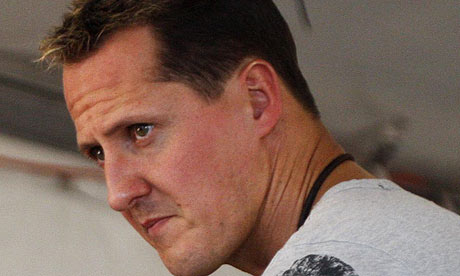
Mr Schumacher is a great Formula One pilot. In most of this season’s races though, he’s looked decidedly average and his behaviour towards the other drivers has been somewhat erratic.
Some say he’s past it. He’s in an understeering car that was originally designed with Jenson Button in mind. The arguments will run and run.
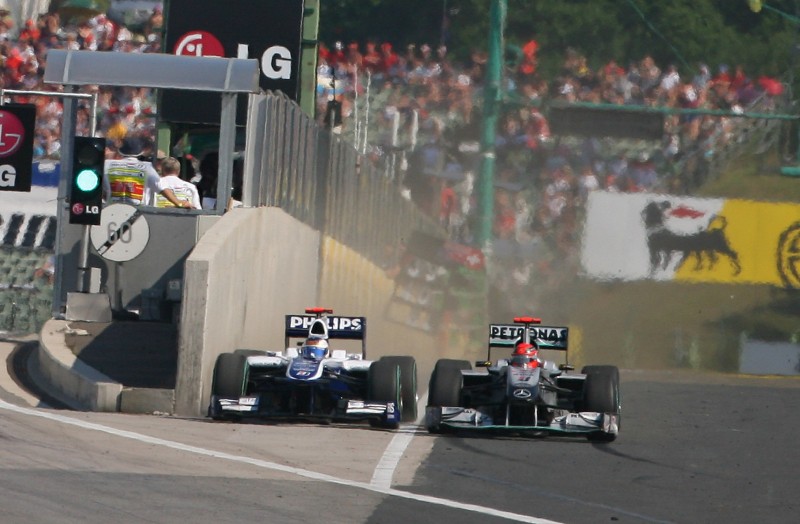
What bothers me more is the incident during today’s Hungarian GP. In my opinion, it had a cloak of blackness about it and it wasn’t something you’d expect from someone of Michael’s pedigree.
Observing the incident from the front – all was clear. Michael had Rubens Barrichello in his right-hand mirror all the way down the finishing straight. His move to the right – almost planting Rubinho in the concrete – looked pretty deliberate to me. Good job there wasn’t a car exiting the pitlane.
No more of this please Michael. Take a long, hard look at the way you’re driving at the moment. Drivers and others who look up to you are watching.
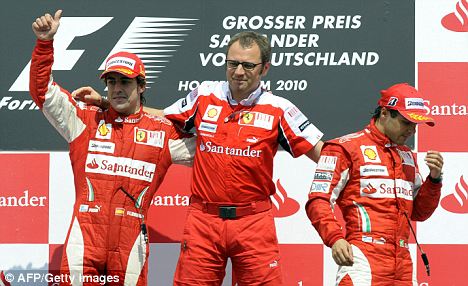
It’s a shame that a track – for some of a certain age – perhaps best known for the violent death of one of our greatest racers as he ran on the limit (Jim Clark – 1968) should now be associated with an event that demonstrates quite the opposite of true racing.
Team orders at this weekend’s German Grand Prix dictated that one driver – clearly in line for a win – should move over to let his team mate pass and be credited with the win he should have had.
Business and sport are uneasy bedfellows in Formula One. The true fan isn’t sufficiently naive to realise the sport can survive without business money. But business does seem to think it can behave in whatever way it likes.
As my colleague, F1 analyst Joe Saward put it so eloquently in his latest review of the race:
” For the average fan what is important is not just that they watch a straight fight between two competitors, but that the sport itself is portrayed in a good light. Fans are passionate about the sport, about its traditions and they want to be able to say that they are proud of it when challenged by some ping-pong freak or a follower of synchronised swimming.
“…what drives sports fans to spend their money on luxuries such as team memorabilia and very fast cars is not the result, but rather the way results are achieved. They will spend more if they feel an engagement with the team. If it makes them feel good.”
It’s the same feeling I got when Schumacher raced. Again – Joe makes the point which, although talking about Alonso, could easily be applied to Michael:
“There are two ways of winning: one can win in a functional sense and one can win in style…Winning was the goal and the route taken to get there was not important to him.”
It’s why I will never regard Michael as one of our greatest drivers, even though his ‘achievements’ on paper look impressive.
We all admire the skills of those at the top of their game. But we also like to be inspired. And the one thing that F1 isn’t doing at the moment – even though we’ve had the occasional joust and spin – is inspiring the next generation.
Business – take note. Inspired people spend money.
Oh, and by the way, when an engineer informs his driver that the other guy’s quicker, then that driver increases his pace, doesn’t he? He certainly doesn’t slow down and let the other driver by.
And if Mr Massa had led a Ferrari 1-2, the team would still have come away from the GP with 43 points.

Very good piece from James Allen which highlights the differences in maturity between the two Formula One World Champions currently jockeying for position at McLaren.
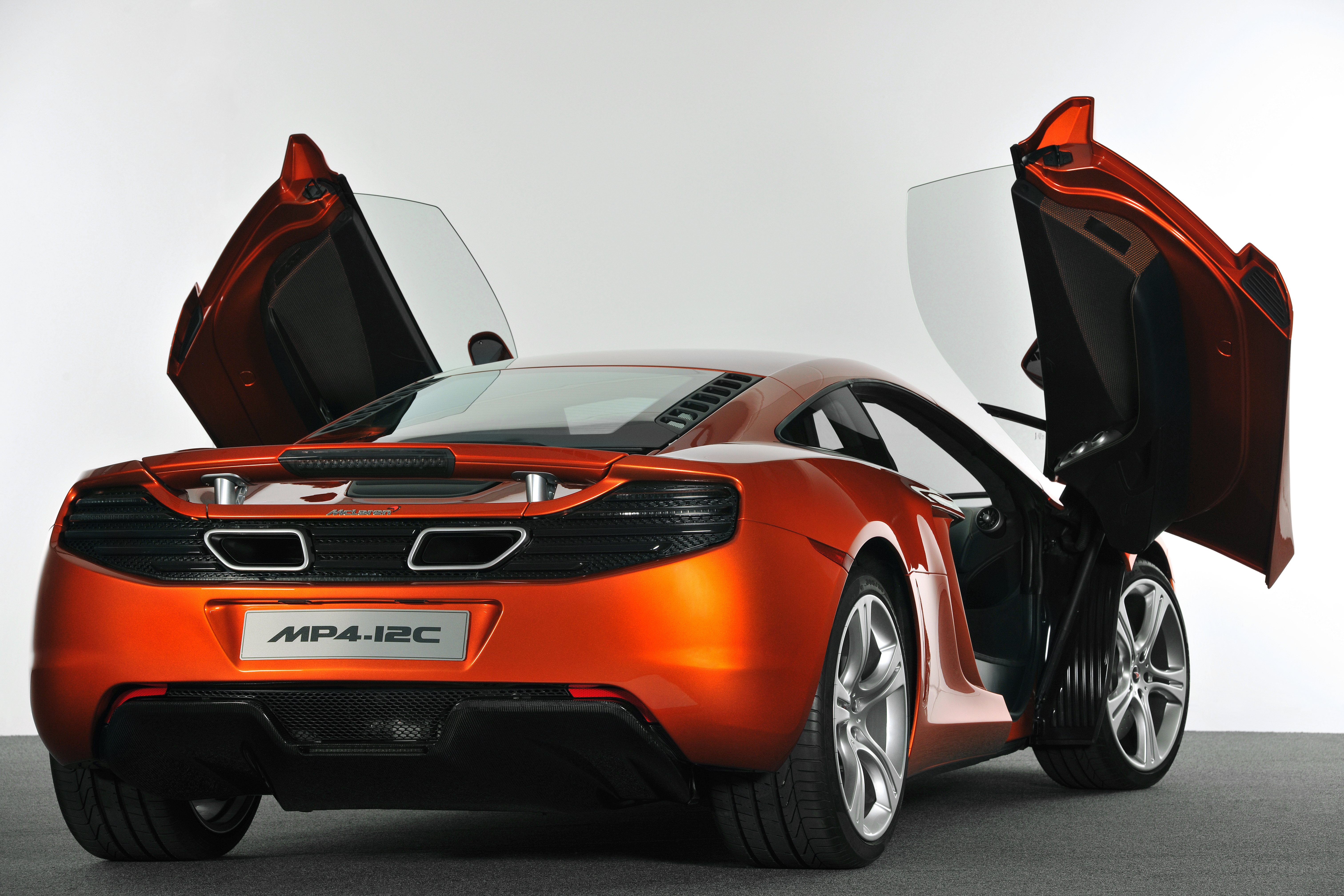
McLaren Automotive launched its high-performance sports car today – publishing performance data from recent testing programmes, details of the car’s innovative construction, and new technologies inspired by Formula One.
They all say this but the 12C really is set to present new standards in the sports car market: 0–200 km/h in under 10 sec; 200– 0km/h in under 5 sec; and 100– 0km/h in under 3 sec/30m – less than seven car lengths.
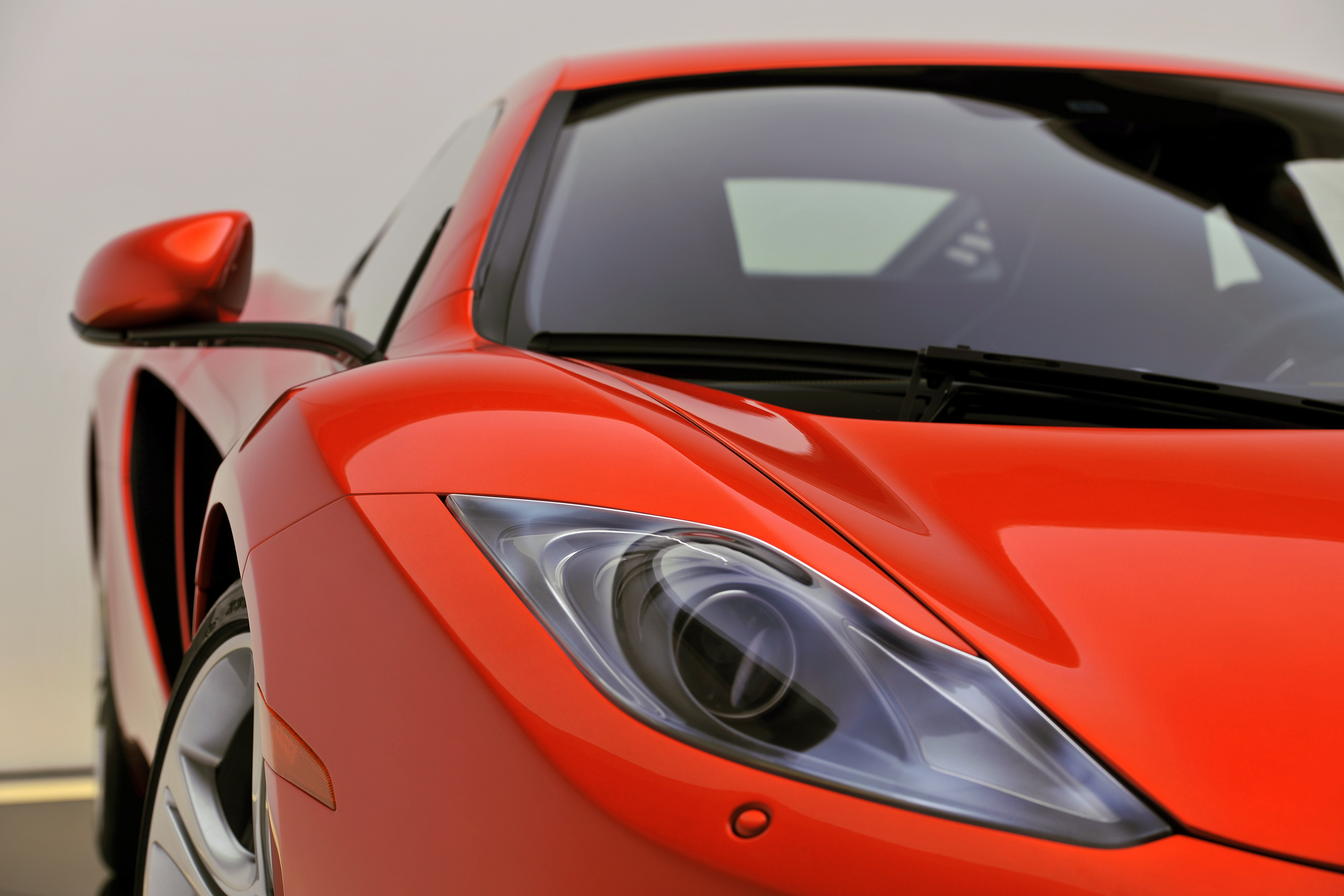 The innovative one-piece moulded carbon-fibre chassis (referred to as the ‘MonoCell’) is the key to the 12C’s performance. It forms the structural heart of the car – the integrity that a carbon chassis offers allows McLaren Automotive the freedom to clothe the car with a combination of aluminium and low-density SMC (sheet moulding compounds) panels that, themselves, are ground-breaking: the SMC panels are 11% lighter than on any production car.
Not surprisingly perhaps, thanks to the company’s F1 pedigree, reducing weight is an obsession at McLaren. Recent developments have lowered the MonoCell’s weight further to below 80 kilos, whilst continued lightweight engineering supports McLaren Automotive’s plans to launch the 12C at a lighter dry weight than any competitor at around 1300 kilos.
The company wants the 12C to be at least 75 kilos lighter than its nearest competitor and a long list of further lightweight solutions highlights the 12C’s introduction as a new type of sports car. Examples include:

The car uses a range of new technologies. All are unique to McLaren:
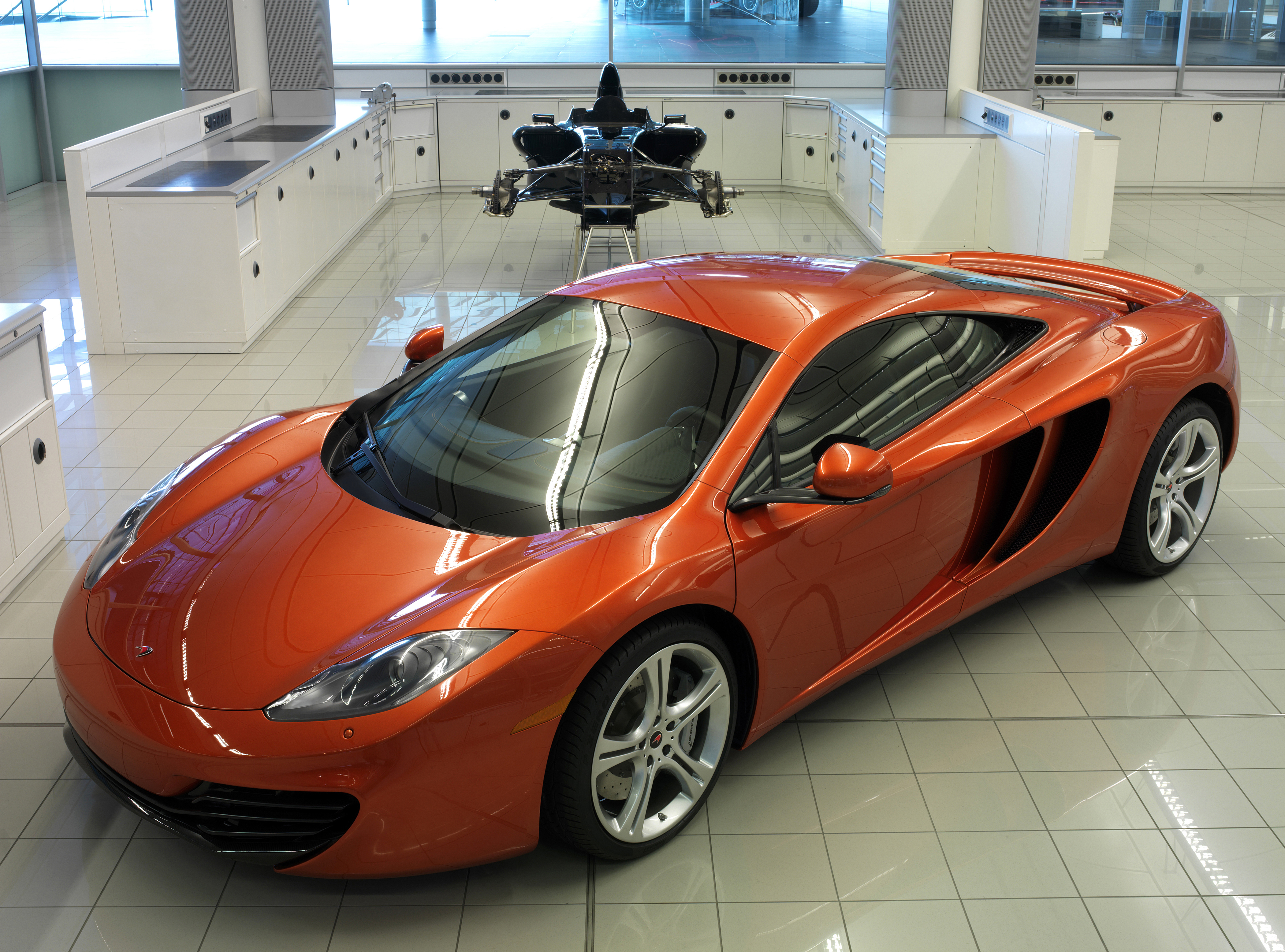
The McLaren MP4-12C goes on sale in spring 2011 in 19 countries. It sits in the market of ‘core’ sports cars that cost between £125,000 and £175,000. The car will be built initially at the Fosters+Partners-designed McLaren Technology Centre (MTC) in Woking. Construction will then switch to the new £40 million McLaren Production Centre next door.
I want one! The car that is, not the Production Centre.
 CLIVE COULDWELL: Formula One as it is...