Chinese GP – Caterham F1

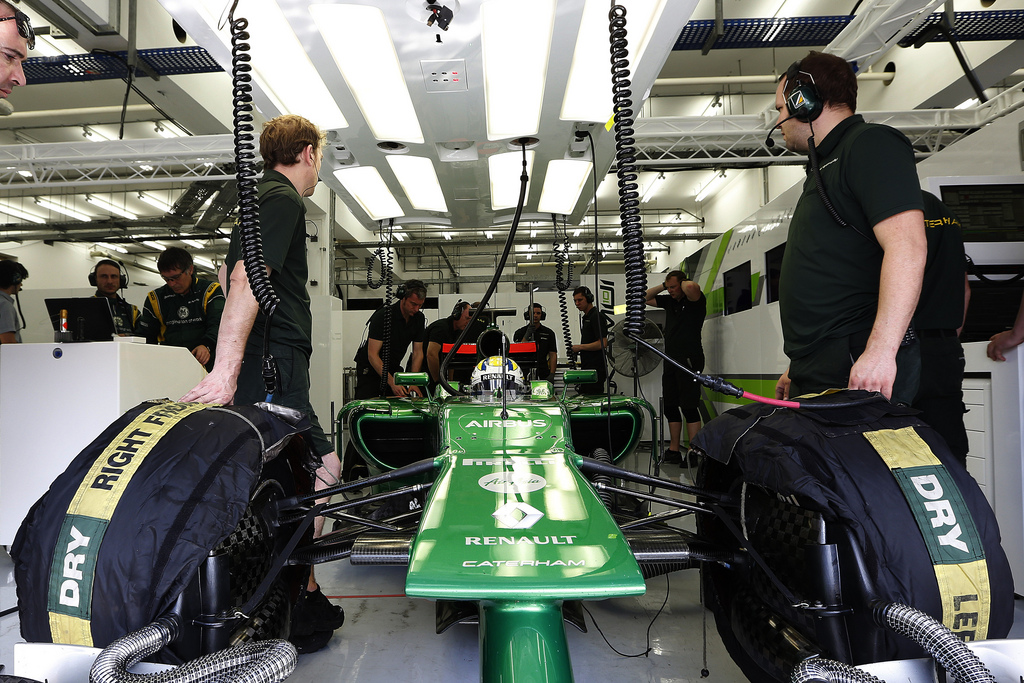
And some good images from Caterham as well:

The boys.

The boys


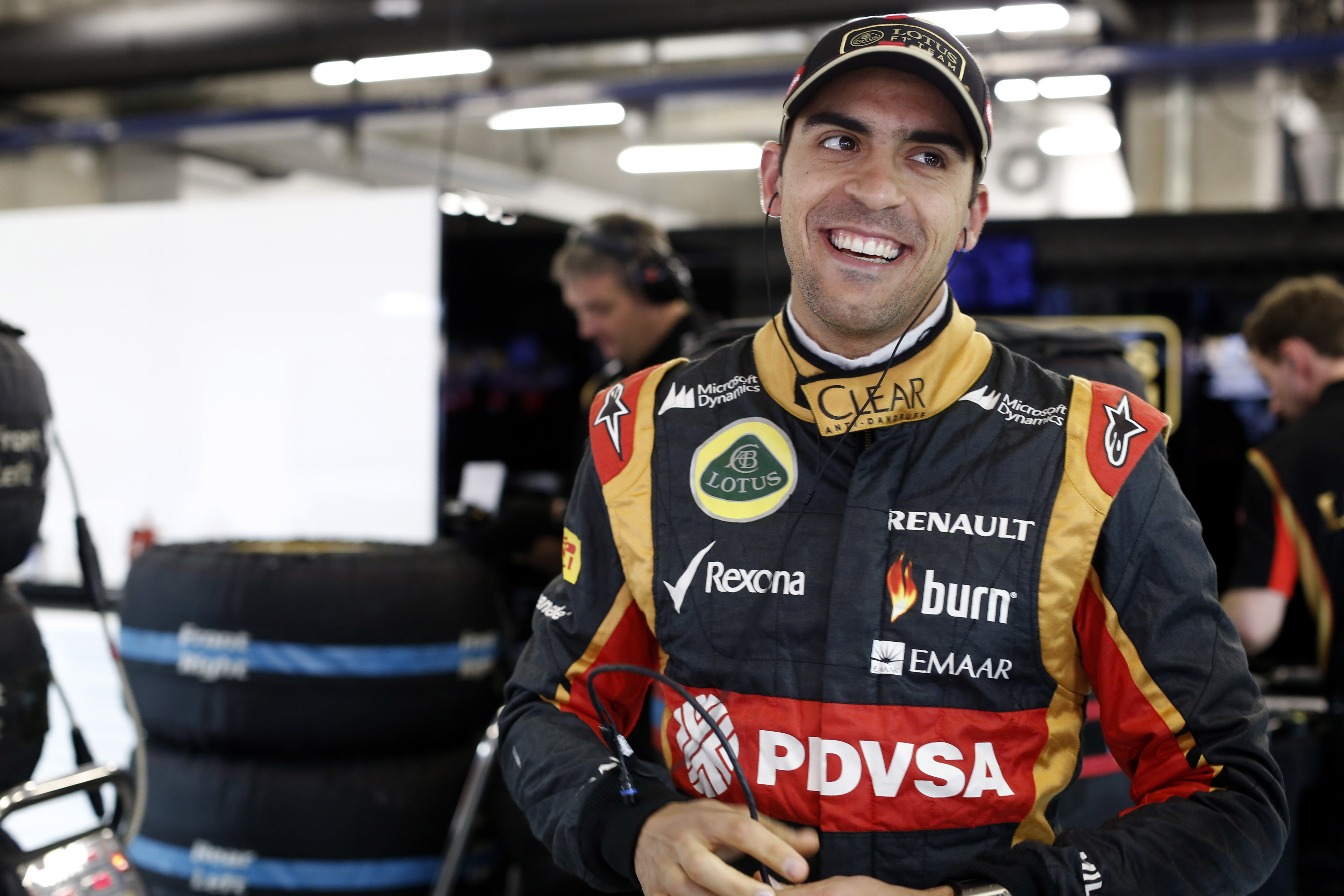
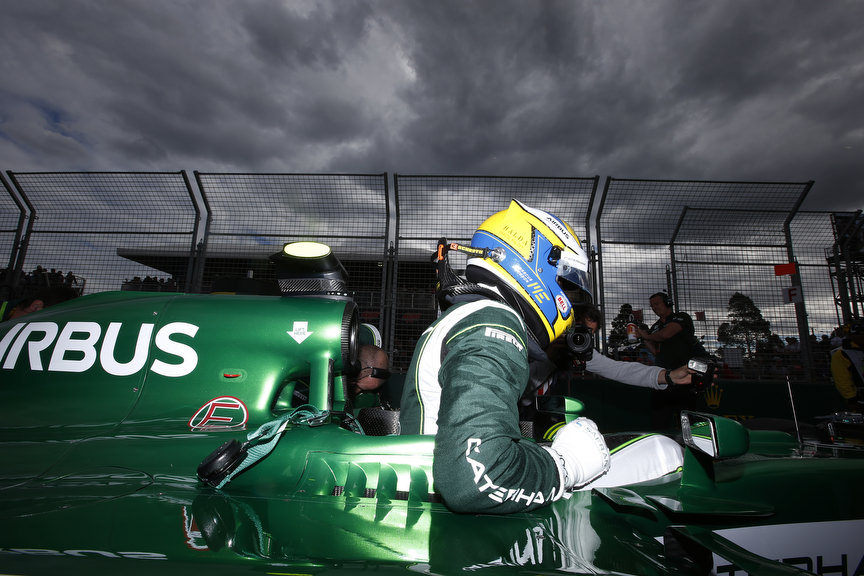
Marcus Ericsson.

Marcus Ericsson


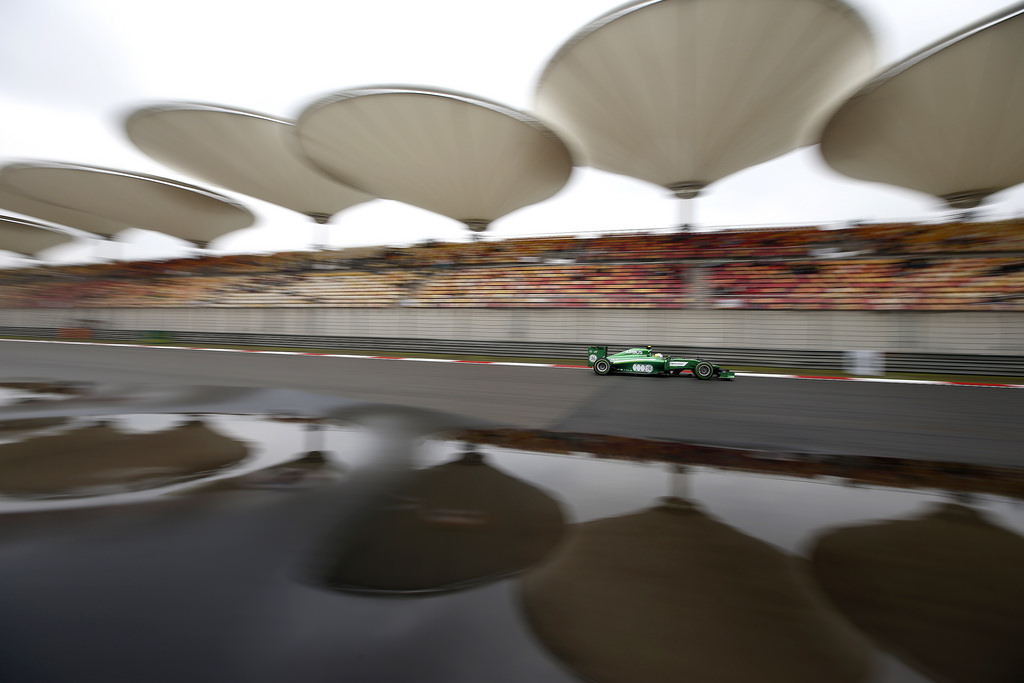
Atmospheric

Atmospheric


13910512176_5845ebecfb_b


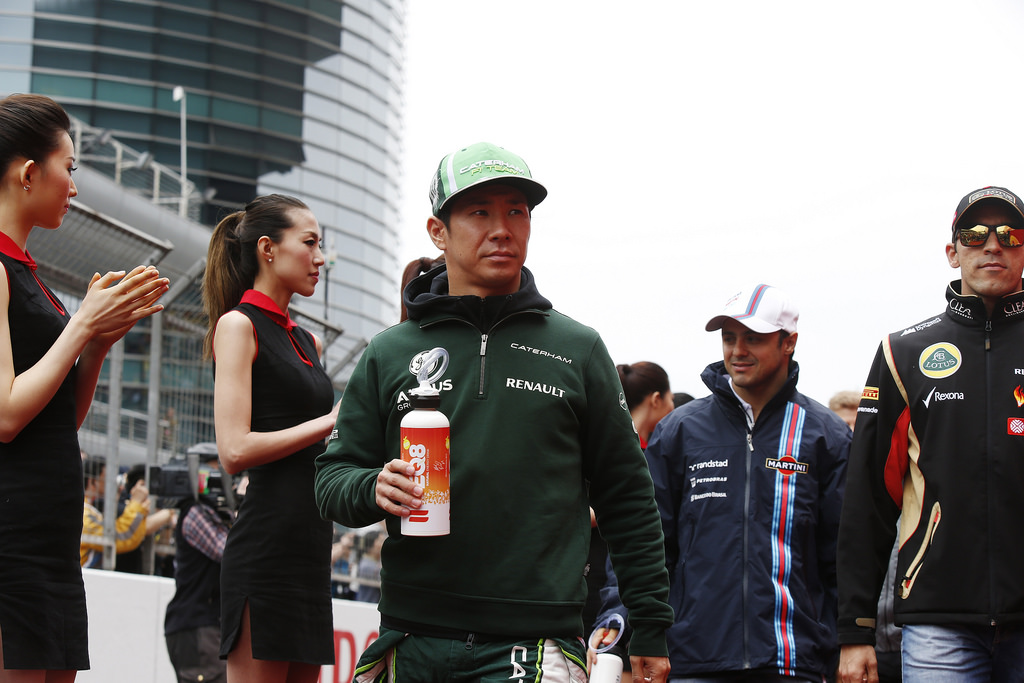
Kamui Kobayashi.

Kamui Kobayashi


Kamui Kobayashi:

“Finishing 18th isn’t the final position we’d want, but after a really good battle with Jules I’m relatively pleased with how today’s race went. However, it’s a real shame that my move on him on the last lap now doesn’t count due to the mistake with the chequered flag, something we had nothing to do with. We’d had a really good battle for the last few laps of the race and I got him on what was the last lap, until it turned out the chequered flag had been waved a lap too early by mistake – until we found that out after the race it had been good to see what a small victory like that does for the team as it lifted everyone at the end of a very tough first four races of 2014.

“I didn’t have a great start but still made up a couple of places on lap one and was having a good fight with Maldonado until lap 18 when he got past. The guys did a very good pitstop when we came in for the first time for new mediums on lap 11, helping me stay ahead of him until halfway through the second stint, but our car is simply not competitive enough on options tyres to hold him and once he was ahead I didn’t have the pace to fight back, so from that point we were focused on beating the Marussias.

“We stuck to the original three-stop strategy and that gave us a few interesting moments, particularly with Vettel who I was told I could pass as he was fuel saving and on old tyres, and I was on new softs on the third stint. I hear he wasn’t too pleased about that but relative to him I had the pace then to immediately pull away and did so to avoid compromising our plan.

“Obviously though the real battle for us was with the Marussias and when I came out on new softs after my final pitstop I was able to catch Chilton quickly and then closed the gap to Bianchi in a few laps, despite the traffic at that point in the race which always makes our own race very difficult. It was a really good battle with Jules, clean racing and I finally passed him going into the hairpin at the end of the back straight, having feinted left in turn 11 so I had a better run on him on to the straight which set him up for the pass into turn 14. As I say, through no fault of our own that result now doesn’t count but we’ll just have to dig deeper in Spain and fight back there.

“Even though we had a good race with Maldonado for the first third of the race it’s clear we don’t have the outright pace to fight Lotus or Sauber yet, but we have a good package coming for Spain and we are determined to try and close the gap. The first four races have been hard, but having both cars finish today shows the progress we and Renault have made with reliability. Now we have to build on that and use the next couple of weeks to recharge ourselves so we can come back stronger in Barcelona.”

Marcus Ericsson:

“For me the whole race was dominated by understeer. On every set of tyres the balance just wasn’t there and that meant I couldn’t really push at all. It’s good that we got to the end of the race, but if I hadn’t had that understeer I’m sure I’d have been quicker.

“My start wasn’t perfect and I was behind both Marussias at the end of lap one. We did the first stint on softs and they started graining pretty quickly so we boxed for mediums for the second stint on lap 10. We added a bit more front wing to try and help with the understeer but it didn’t really help so I just couldn’t push any more than I was. It was the same for the third and fourth stints which we did on softs but by that point I was pretty much on my own so just focused on getting to the end of the race.

“This is obviously the last of the early season flyaways and when we start the European season in Spain it’ll be back at a track I know really well. As a rookie that’s obviously good for me and with the amount of time I’ll be in the factory and in the simulator between now and then, and with the new parts we have coming in Barcelona, I’m sure we’ll come back stronger there and ready to make progress there and in the next few races.”

Chinese GP – Lotus F1

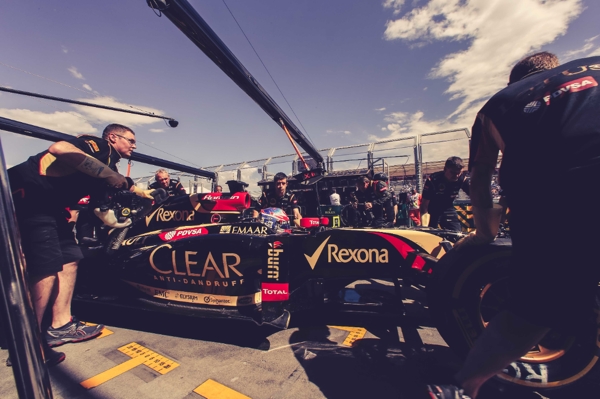
Some nice images from the team:

Romain Grosjean (l) with race engineer, Ayao Komatsu.

Romain Grosjean (l) with race engineer Ayao Komatsu


_R6T5041


_N7T2159


Not forgetting Pastor Maldonado of course.

Not forgetting Pastor Maldonado of course


Pastor Maldonado finished 14th whilst Romain Grosjean was forced to retire from the Chinese Grand Prix on lap 28 because of a gearbox problem.

Romain made the team’s first top 10 start of 2014 and was fighting for points before his early exit, whilst Pastor made eight positions during the course of the race after having started from the back of the grid due to engine-related issues forcing him to miss Saturday’s qualifying.

Romain Grosjean:

“We started by losing fourth gear but it got worse and essentially we lost all gears. It’s the first time we’ve had a problem like this so we’ll have to understand what happened. It had been quite nice in the race as we’d been fighting for ninth position so we were in the points, which is a good improvement from before. We didn’t make it to the end of the race today but let’s hope we finish in the points in Barcelona.”

Pastor Maldonado:

“Today wasn’t my best race ever but we finished. My pace wasn’t fantastic but at least we moved forwards and I pushed as hard as I could. We will look at the data as we seemed to lack pace on the straights which made it difficult to overtake and also difficult to defend. It will be nice to have a race weekend without any problems, and that’s what we are all working for when we head to Europe.”

Top of the Flops

Well written summary of the current F1. Well said Joe.

‘F1 in Schools’ winner

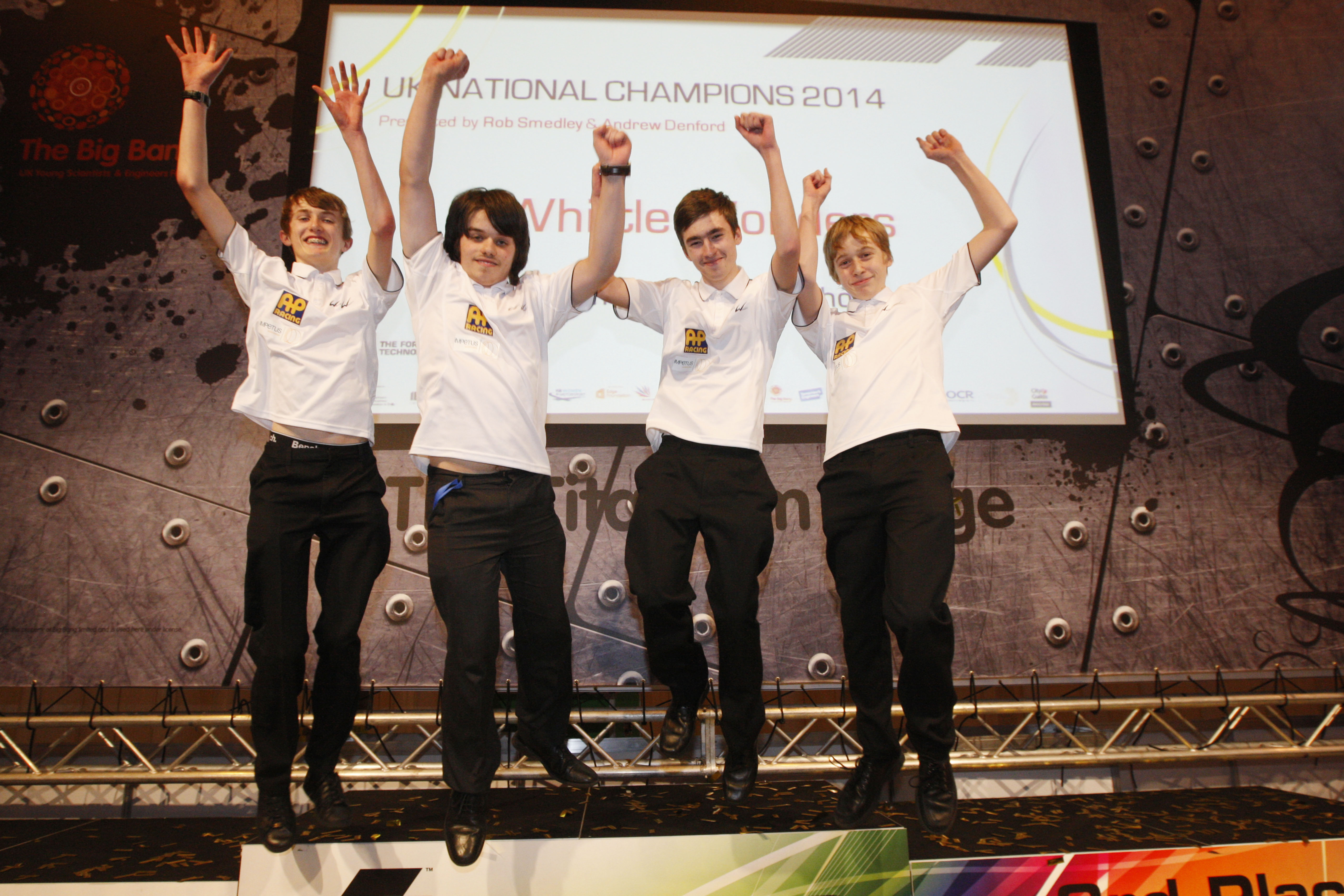
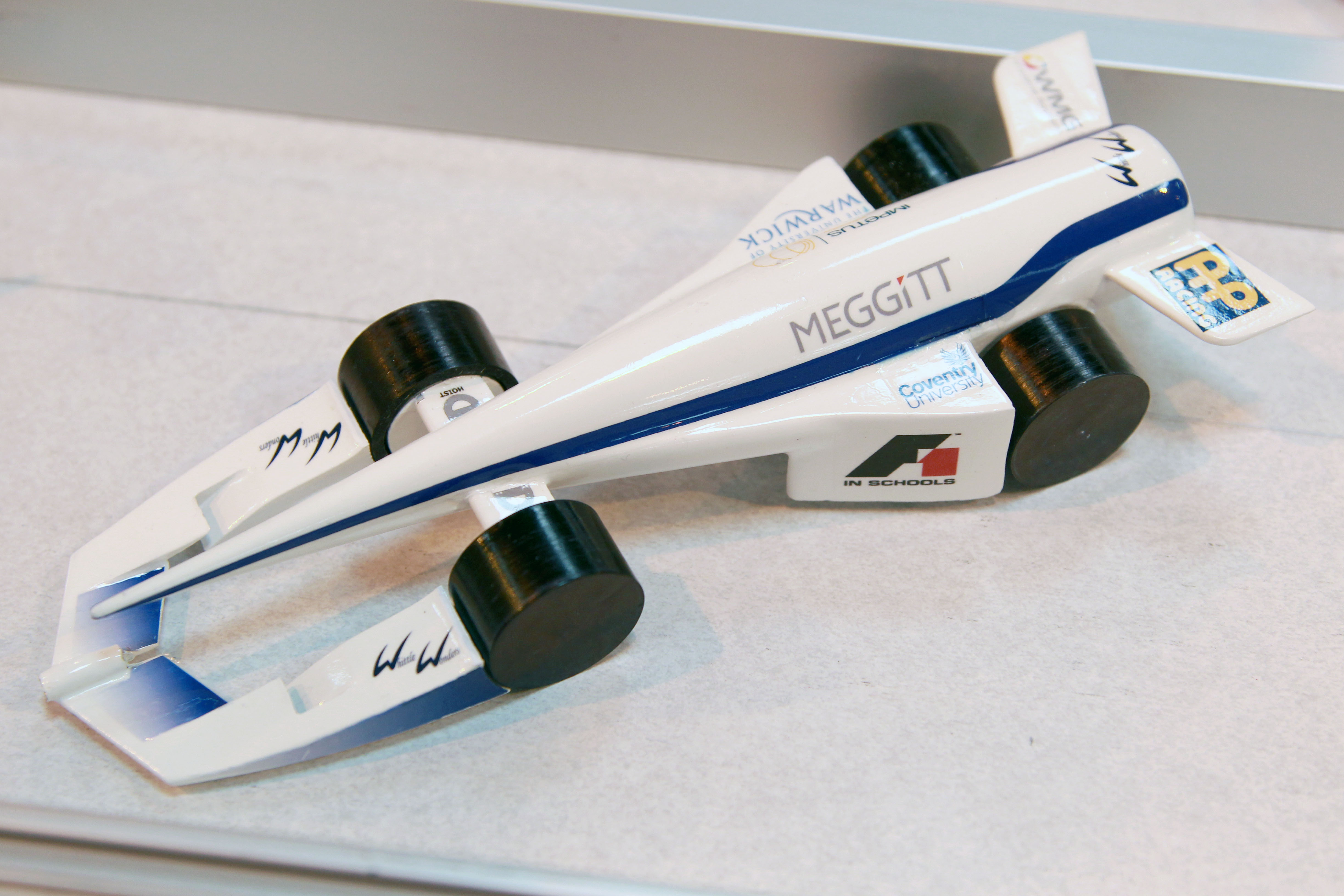
A team of students from North Leamington School – Whittle Wonders – were jumping for joy yesterday after being crowned F1 in Schools UK National Champions 2014 and winning a place at the 2014 F1 in Schools World Finals in Abu Dhabi.

The UK Champions will not only have the experience of a lifetime in Abu Dhabi, they also receive tickets to the 2014 British GP at Silverstone, a Williams F1 team factory tour, an Arden Racing Academy presentation and the Codemasters F1 2013 game for each team member.

Whittle Wonders (L-R): Ryan McLaren, Tom Bradford, Thomas Govern, Harry Birch.

Whittle Wonders (L-R): Ryan McLaren, Tom Bradford, Thomas Govern, Harry Birch

It’s been many months of hard work for the team of 15 and 16 year olds, who not only took victory overall but also won the Portfolio Award and Fastest F1 Car Award with their car racing along the F1 in Schools 20 metres race track in a time of 1.128 seconds.

Led by Team Manager, Thomas Bradford, 15, with fellow students Harry Birch, 16, Testing Engineer; Ryan McLaren, 15, Manufacturing Engineer and Thomas Govern, 15, Design Engineer, the team were on a well-deserved high following the Awards presentation at the event held at the Big Bang Science and Engineering Fair in Birmingham.

The team were presented with the National Champions trophy by F1 in Schools Patron and Williams F1 Team Head of Vehicle Performance, Rob Smedley. After receiving the trophy Team Manager, Thomas Bradford, said:

“We’re really pleased to have won. I think we had the best car today. It was the fastest and well engineered. We’ve been working on the car for a year, designing, evaluating and refining it. It’s going to be brilliant to go to Abu Dhabi and now we’ll continue with the work on our car. We already have some ideas of how we want to improve it for the World Finals and hopefully it’ll be even faster as well.”

The 2014 F1 in Schools National Finals pitted 30 winning F1 in Schools Regional Finals teams against each other, all vying for a trip to Abu Dhabi. The competition, with Formula One at its heart, challenges teams of between three and six students to form a Formula One team, designing, manufacturing, testing and racing an innovative F1 in Schools car, as well as producing a pit display and printed portfolio, and giving a verbal presentation of their work to a panel of judges.

16 awards were presented, rewarding the hard work and high standards of work produced by the teams of students. Runners-up to Whittle Wonders was a team of students from Robert Mays School, Odiham called Colossus F1 and this team also won the Verbal Presentation Award. The third placed team was Infinity from St John Payne School, Chelmsford and they also won the Best Engineered Car Award. The Best Rookie Team Award was presented to newcomers, Venom, from Strode College, Street.

The Team Identity Award was won by Infusion Racing from LSA Technology and Performing Arts College and the Sponsorship and Marketing Award was presented to Symscape Quantum Racing from The Crypt School, Gloucester. Surge Racing from Latymer High School, Hammersmith took the Innovative Thinking Award and the Judges Discretionary Award went to Rapid Input from Dunfermline High School.

Whittle Wonders' winning race car.

Whittle Wonders’ winning race car

Red Dragon Racing from Connah’s Quay High School impressed the judges to win the Pit Display Award and the Research and Development Award was won by BCS Racing from Barry Comprehensive School. The FIA Women in Motorsport Award was given to the girls from Team Nero from Regent House Grammar School, Newtownards, Northern Ireland.

The exceptional support given to the students by their teachers was also recognised with the Teacher of the Year Award won by Gary Carleton, the tutor for Northern Ireland team, Ignition from Cookstown High School.

Andrew Denford, Founder and Chairman, F1 in Schools summed up the F1 in Schools UK National Finals 2014 saying:

“We’ve enjoyed a very exciting National Finals this weekend. The level of work produced by the students is outstanding and is a credit to all the participants for the effort they put in to meeting the challenge presented by F1 in Schools. Our congratulations go to Whittle Wonders from North Leamington School. It is the third year of competition for the school and after improving each year, they have finally reaped the ultimate reward with a place at the National Finals and a trip to Abu Dhabi to represent the UK.”

The F1 in Schools UK National Finals 2014 took place with the support of The Institution of Engineering and Technology, Autodesk, Silverstone Circuit, Jaguar Land Rover, WNT, City University London, Tomorrow’s Engineers, FOM, Young Engineers, FIA Women in Motorsport, Edge Foundation and The College of Teachers.

Australian GP – Caterham

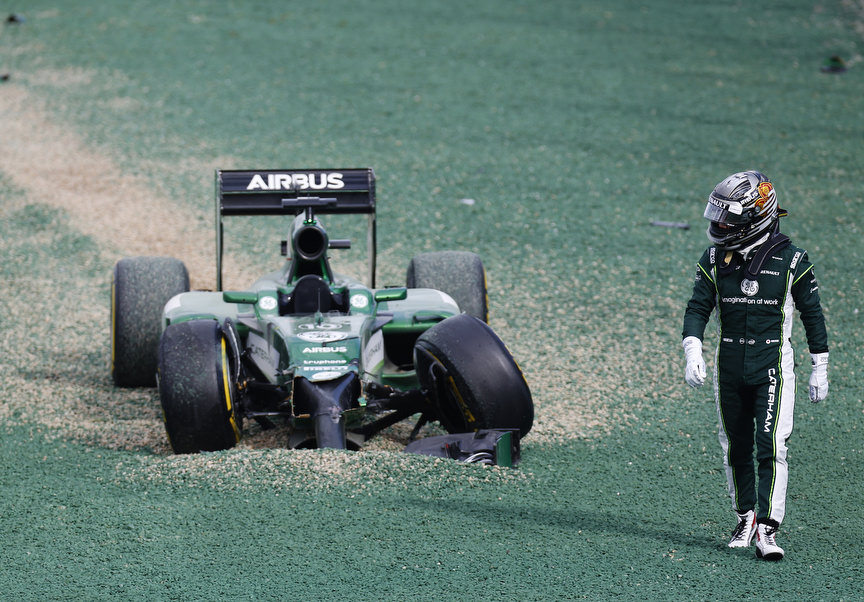
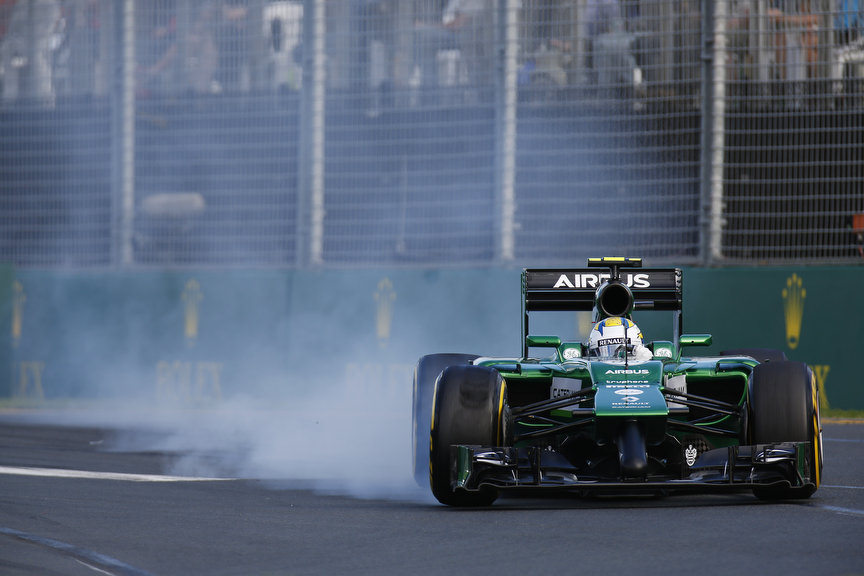
Some nice images from the team:

13189029695_a84c65214a_b13189320914_b6ef154df1_b13189139623_a4c9f0289b_b

Australian GP – Lotus

_J5R3700cd3138


Romain Grosjean finished 16th and Pastor Maldonado 17th after the season-opening Australian Grand Prix at Albert Park.

Romain started from the pit lane and completed a pit stop before an MGU-K problem stopped his run. Pastor started from the back of the grid and also completed a pit stop before his run was cut short, also with an MGU-K issue.

Romain started from the pit lane on new soft tyres, changing to new soft tyres on lap 28. He completed a pit lane drive-through on lap 1 and exited the race on lap 44.

Pastor started with new soft tyres, changing to new soft tyres on lap 29. He exited the race on lap 29.

The new F1 racing year

This year’s season-opener has the added excitement of being the first race for the brand new 1.6-litre power units.

It’s sure to be an unpredictable weekend at Albert Park and one wonders how many cars will make the finish line on Sunday evening; when Melbourne first hosted the Australian Grand Prix in 1996, only 11 cars reached the chequered flag.

Irrespective of what happens on the track, the F1 circus loves racing in Australia. The laid back vibe, the passionate and knowledgeable fans and the chance of some sunshine after the European winter all add to its appeal. As for Melbourne: what a city!

Williams last won this race in 1996 and the team hopes to kick off its new partnership with Mercedes-Benz HPP with another strong result. Says Rod Nelson, Williams’ Chief Test and Support Engineer:

“It’s a street track so we expect a large increase in grip through the weekend as the Pirelli rubber goes down, and as we often see at other temporary tracks it’s also quite bumpy.

“There’s a high probability of a safety car in the race – usually it’s about a 50 per cent chance around here.

“The weather can also be quite changeable as it’s the end of the Australian summer, and with the circuit being less than 1 km from the sea this can have a large effect. The race also starts late in the afternoon so visibility can become an issue for the drivers as the sun goes down.”

It’s been a very busy winter for Sahara Force India. Adds Team Principal, Dr Vijay Mallya:

“It’s been a massive challenge, especially for a smaller team like ours. That was why we put so many plans in place early last year to be ready for what has become a very different Formula One. All the hard work has paid off, but it has been a very steep learning curve and a huge undertaking to get where we are today.

“It’s the first time for many years that Formula One has been properly aligned with the automotive industry. The prospect of Formula One driving forward technical advances for road cars is a very exciting one.”

According to Renault Sport F1’s track support leader, Cedrik Staudohar, the main challenges of Albert Park will be focused on the power units:

“The high number of low speed turns will put the focus on low speed driveability through correct turbo response. Heavy braking will also need effective engine braking from the ICE to support the new brake-by-wire system. Short bursts of acceleration between the turns compound the challenge, while massively increasing fuel consumption.

“Heavy braking will also give an opportunity for the MGU-K to recover energy, particularly in turns three and four and the last complex through turns 14, 15 and 16 coming back onto the straight.

“Recovering as much energy as possible here is crucial to minimising lap time. Short straights don’t give huge chances for the MGU-H to recover from the exhaust, but there are several of them so it should be sufficient to keep the battery charged.

“It’s one of the tougher races. Fuel consumption is the second highest of the year, and the mechanical challenges add to the difficulty – Melbourne is in the upper half of the table.”

(The Energy Recovery Systems (ERS) which form an integral part of an F1 car’s power unit from 2014 take the concept of KERS to another level, combining twice the power with a performance effect around 10 times greater.

ERS comprise two energy recovery systems (Motor Generator Unit – Kinetic (MGU-K) and Motor Generator Unit – Heat (MGU-H]), plus an Energy Store (ES) and control electronics.)

Williams runs Senna tribute

1994 Formula One World Championship

Since the tragic death of Ayrton Senna at the 1994 San Marino Grand Prix, Williams has placed the iconic Senna double S logo on its racing cars as a mark of respect.

To commemorate 20 years since his passing and to celebrate his legacy, the Williams Mercedes FW36 will be adorned with the new 20th anniversary Senna logo for the 2014 season.

1994 Brazilian Grand Prix

Traditionally placed on the front wing struts of each Williams car, the new logo will be placed on the left-hand side of the FW36’s nose cone and feature a picture of Ayrton alongside the words “Ayrton Senna Always”.

Designed by the Ayrton Senna Foundation, the logo will be present at a number of events organised by the Foundation this year to honour the life, legacy and values of the three times Formula One World Champion.

Speaking about the updated logo, Williams Founder and Team Principal Sir Frank Williams said:

“I was very close to Ayrton and the iconic double S logo has been a mainstay on our cars since his death 20 years ago. This new logo is our way of celebrating his achievements as a racing driver, and also the sterling work of his Foundation which is doing so much to promote educational opportunities in Brazil.”

1994 Formula One World Championship

Gene breakthrough

Zoologists and bioengineers from Trinity College Dublin have identified over 1,000 genes whose responses change markedly when embryos are not able to move freely in the womb.

The discovery will help scientists better understand how important tissues are programmed to develop in our bodies which could, in turn, suggest how stem cells can be primed for use in tissue engineering and regenerative therapies.

The collaborative research conducted in the School of Natural Sciences and Trinity Centre for Bioengineering is addressing how embryonic movement influences bone and joint development. This research also furthers understanding of the consequences of reduced movement and shows how we might guide desired differentiation of bone and cartilage from stem cells.

Says Developmental Biologist and Associate Professor in Zoology, Paula Murphy who is the study’s senior author of the study:

“Why do babies move about so much while they are developing in the womb, particularly flexing their arms and legs? We know that if they don’t move enough, they are born with skeletal problems such as thin, fragile bones.

“Highly regulated signalling systems are needed for Mother Nature to follow the complex ‘recipes’ of genetic expression that enable the development of normal skeletons. What often surprises people is that mechanical signals also feed in to these signalling systems, and it is the movement of an embryo that sparks these.”

By studying how animals move and develop, the zoologists and bioengineers have pinpointed which steps during skeleton formation require stimulation from movement. Additionally, by examining the patterns of all the genes in the genome, they have shown which specific genes and molecules are stimulated by movement.

Contracting muscles and cartilage rudiments of the skeleton develop at the same time in the embryo, and the movement of the muscles influences normal development of bone and cartilage. Highlighted in this 3D image is the developing limb skeleton (left), muscle (right, in orange) and tendon (right, in green).

Contracting muscles and cartilage rudiments of the skeleton develop at the same time in the embryo, and the movement of the muscles influences normal development of bone and cartilage. Highlighted in this 3D image is the developing limb skeleton (left), muscle (right, in orange) and tendon (right, in green).

Very little is known about how the mechanical signals are integrated into the biochemical signalling pathways. This could soon change, however, as these researchers home in on the 1,000-plus genes whose responses changed in mouse embryos that lacked muscles and therefore did not kick during development.

The research, just published in the BMC Genomics journal, featured Research Fellow at Trinity, Rebecca Rolfe, as the first author. It highlighted a number of genes already known to encode regulatory molecules that guide developmental decisions in the embryo.

It also highlighted genes that are involved in controlling cell shape changes and in aiding cell-to-cell communication. In particular, the research highlighted the ‘Wnt’ pathway which passes signals from the exterior to the interior of specific cells, as a potential point of integration of mechanical and molecular signalling.

Adds Associate Professor Murphy:

“If we can better understand the signalling processes involved, we might guide development of stable bone and cartilage tissues for use in regenerative therapies. We are now working to fill in the gaps in our knowledge around the combinations of mechanical and molecular signals that are needed to guide differentiation of stem cells for this purpose.”

Caterham F1 test images (Bahrain)

12838186354_56968ca425_b


Some nice images from Caterham F1 after their third day of pre-season testing in Bahrain with Marcus Ericsson at the wheel.

Says Marcus:

“We started with a few short runs to go through some setup options, and then ran very nearly a whole race simulation, including stops. If it hadn’t been for the late red flag just before lunch we’d have finished the whole distance, but the fact the car ran faultlessly all afternoon showed we’d pretty easily have finished a complete race mileage and that’s very good news for the start of the season.

Right: Marcus Ericsson

Right: Marcus Ericsson

“In the afternoon we put on some new parts that arrived from the factory and spent a bit of time trying various setups with those, and then, towards the end of the session we started focusing more on performance and the laptimes started coming down. The final run was my first ever laps on the supersofts and I have to say I was surprised by how much more grip they had than the softs.

“With more experience of them there’s obviously more laptime to be found from those compounds and that will come. We still have more to come from the whole package in outright pace, but we have to be pleased with the amount of work we’ve got through today, and, for me, having that much time in the car is a great way to sign off the tests.

“I’m back in the factory next week for more sim sessions, and we have more new parts coming for Australia so we have lots to look forward to. Also, for Renault, this has obviously been a tough pre-season, but they continue to improve and we know they’ll keep working harder than ever to unlock the full performance we know is there. Overall I’m happy, for the team and for me, and I’m more excited than ever about starting the race season properly in Australia.”

12834318163_48eb0cdff0_b


Cedrik Staudohar, Track Support Leader, Renault Sport F1:

“A much more positive day for us than we have had this week, and running a full race distance shows how much progress we are making. We believe we have turned a corner with reliability and this will allow us to focus more of our efforts on outright performance, something we can look at tomorrow with Kamui.

“The objective for the final day is obviously to repeat the mileage Marcus achieved today, and then we will have a much clearer view of where we are at the end of the pre-season tests.”

Feeling a bit sorry for Sergio Perez

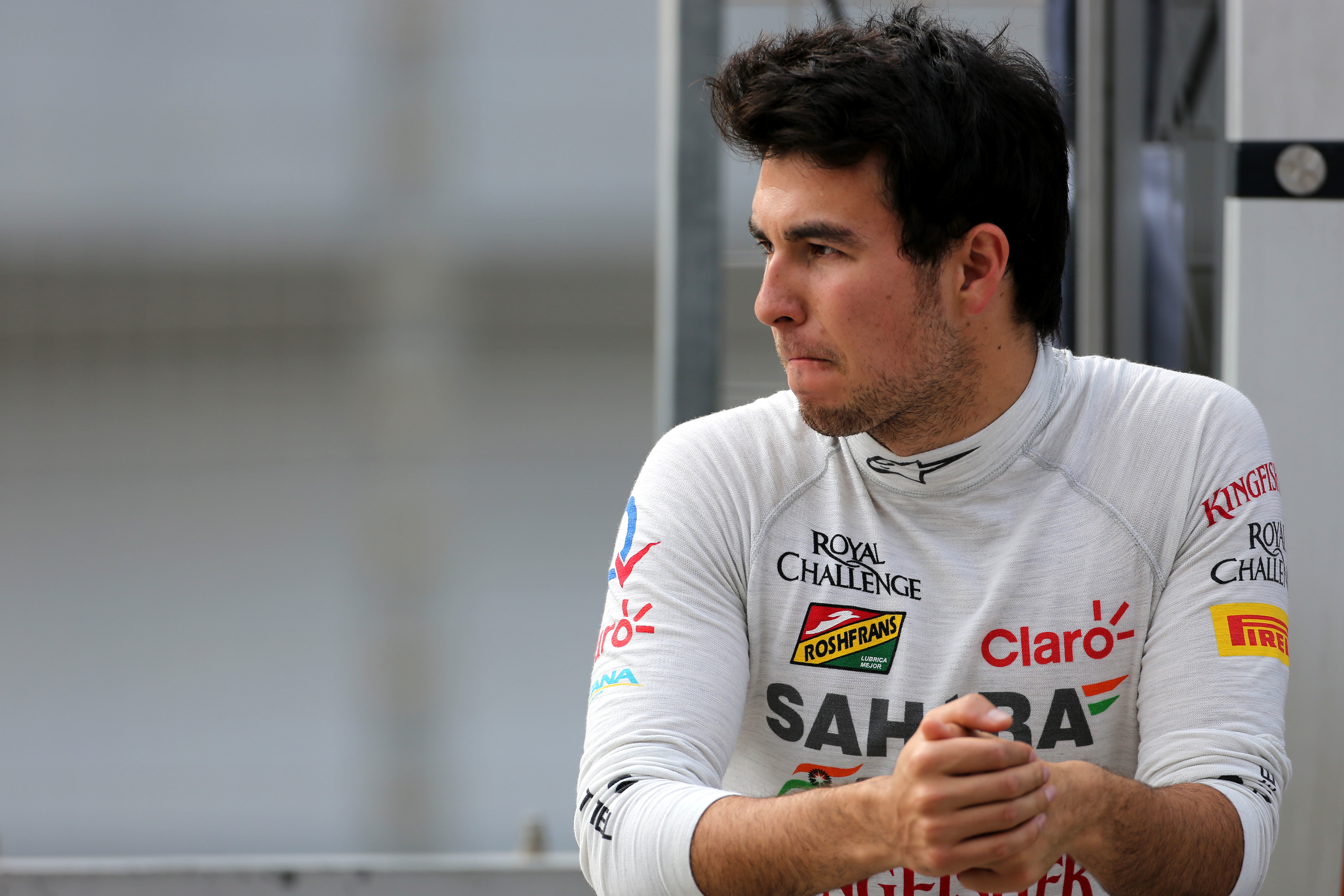
Sergio Perez during testing at Bahrain.

Sergio Perez during testing at Bahrain.


He’s a decent lad and I do feel he’s had a bit of a raw deal from McLaren which chucked him out at the end of last season.

Now the team has made a good start in testing at Bahrain but we hear that although the F1 side is fine things are not too great with VJ’s corporate set-up.

I do hope they see daylight in the new 2014 season. One wonders…

Anyway, Sahara Force India resumed testing in Bahrain today with Sergio Perez completing 105 laps and setting the fastest time of the day:

“We really needed a good day to start this week and today we had it. We managed to do a lot of laps, try several different compounds and mappings, and it’s been a fantastic day in terms of learning about the car.

“Tomorrow is my last day in the car before the season starts so hopefully we can have another solid day to be in good shape for Melbourne.”

Andrew Green, Technical Director:
“It has been a very productive day for the team and we managed to complete a high number of laps. The morning was mainly devoted to working on the tyres, gathering data about the various compounds at our disposal, in addition to a few performance runs to optimise our set-up.

“We were satisfied with the results of this work, so in the afternoon we switched to longer runs. We were able to do some good long run simulations, which sets us up nicely for the remainder of the week.”

Sergio will be back in the VJM07 tomorrow. Nico Hülkenberg will drive on Saturday and Sunday.

Major overhaul at Williams

Well, quite a change in engineering. Half expected Felipe Massa’s race engineer at Ferrari, the celebrated Mr Rob Smedley to reappear at Williams but wasn’t sure in what capacity.

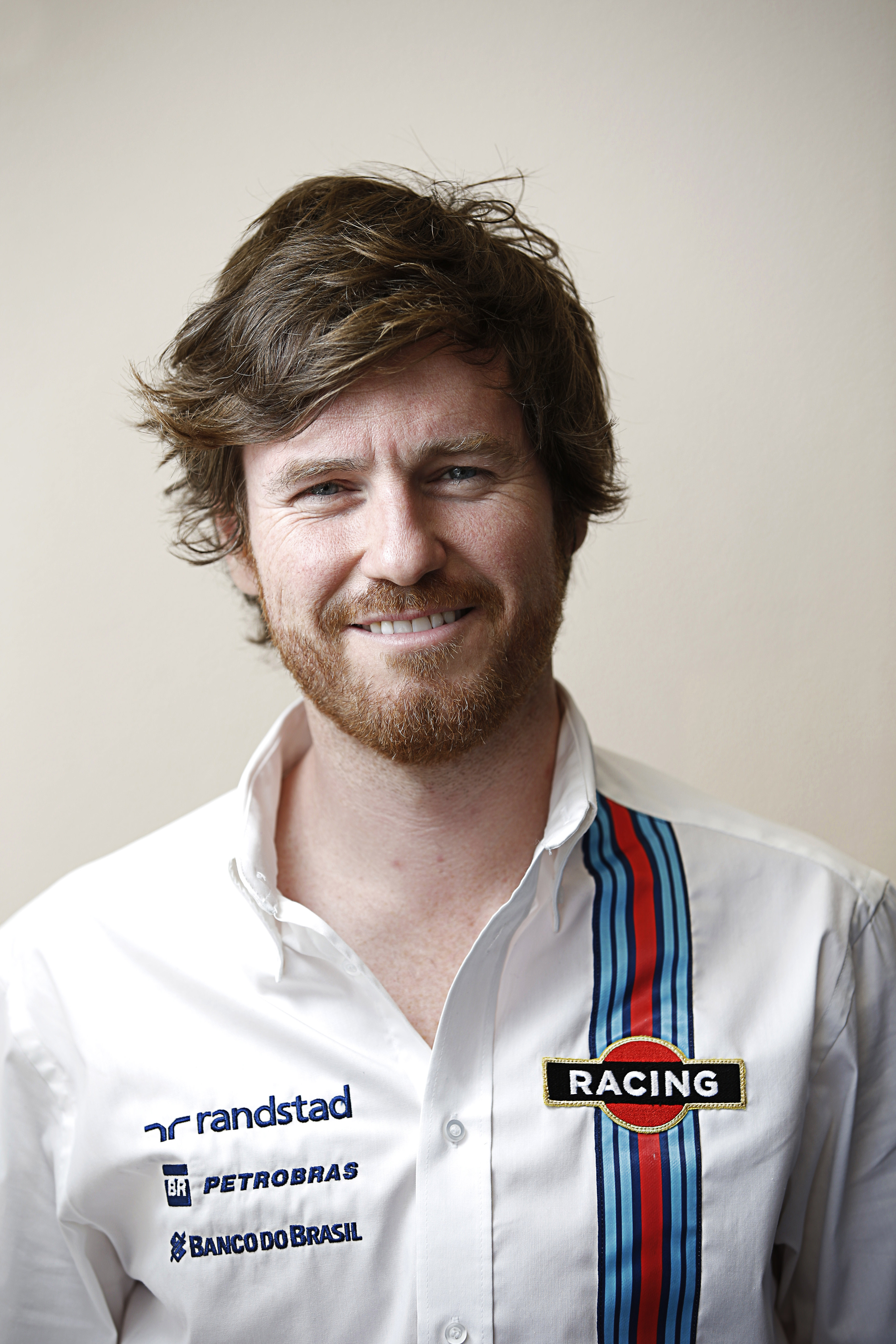
Rob Smedley

Rob Smedley

In interviews Mr S had indicated ‘negotiations’ were in progress but we didn’t really know whether these were for a continued presence within Ferrari or a new position at Grove.

Now we know, and it’s a major leg up for Rob as Head of Vehicle Performance, a newly created position which will strengthen the trackside team whilst also supporting the development work back at the factory to help bring more performance to the car throughout the season. Rob’s proven track record and experience stand him in good stead for the challenges that 2014 bring.

Rob will join Williams before the Bahrain Grand Prix and he’s more than ably supported by race engineers Andrew Murdoch (Felipe Massa) and Jonathan Eddolls (who remains with Valtteri Bottas).

Richard Lockwood completes the trackside operation line-up, joining the team from Marussia as Head of Race Strategy. Richard will work with current strategist Randeep Singh who remains with the team for the 2014 season.

Commenting on the new line-up Chief Technical Officer, Pat Symonds said:

“Williams is undergoing change and these new appointments reflect how high our ambitions are. We have a number of senior people joining us to assist us in the pursuit of those ambitions and I am extremely excited to welcome them on board.

“2014 gives us the biggest change to the technical regulations that I have seen in my career, and so it will be important to add further depth to the talent we already have here as we head into the new season. Williams has always prided itself on engineering excellence and this latest announcement is part of our continued goal to bring success back to the team.”

It certainly is. Quite a change which really could help Williams regain its success. Let’s hope so.

Group CEO Mike O' Driscoll (l) with Pat Symonds

Group CEO Mike O’ Driscoll (l) with Pat Symonds

The future of science

What’s new in space? Why do coincidences happen? Can science make cyclists go faster? Why do cats make us sneeze?

These are just a few of the many intriguing questions being explored at this year’s Cambridge Science Festival.

Running from Monday 10 to Sunday 23 March and celebrating its 20th appearance this year, the Science Festival hosts over 250 thought-provoking talks and hands-on events for everyone.

The programme is out now on the Cambridge Science Festival website. With over 250 events, most of which are free, there’s surely something for all tastes.

You can also follow the event on Facebook and Twitter.

Spotting prostate cancer sooner

South west London’s St Anthony’s Hospital has introduced a new effective scan fusion procedure to help identify prostate cancer earlier than conventional methods.

A man’s risk of having prostate cancer is based on their PSA (protein prostate specific antigen) which is produced by the prostate gland.

This means that a scan and a biopsy need to be taken. The new technique called the BiopSee combines two diagnostic tools – an ultrasound scan with an MRI scan. This targets suspected cancerous areas of the prostate.

Stephen Gordon, St Anthony's Hospital

Stephen Gordon, St Anthony’s Hospital


In addition the samples can be taken from any part of the prostate and by avoiding the rectum, the risk of infection is reduced.

Stephen Gordon, Consultant Urological Surgeon, St Anthony’s Hospital, who introduced the purpose built fusion device to the hospital, says:

“The benefit of this approach is that not only is the prostate cancer detection rate likely to be better but that if cancer is found by targeting, then it is more likely to be of a significant nature which is best detected at an early stage. The procedure is performed as a day case under general anaesthetic.”

A standard biopsy is performed with an ultrasound probe in the back passage with the biopsy needle passing through the rectum into the prostate. On average 12 samples are taken randomly from different areas, which confirms prostate cancer about 35% of the time.

Adds Gordon:

“The problem with this is the random nature of the sampling and the fact that biopsies are taken via the back passage. This means the front or lower parts of the prostate are missed and despite being given antibiotics, men still suffer from infections.”

Prostate cancer is the most common cancer in men in the UK with 40,000+ men diagnosed with the disease and over a quarter of a million men living with the condition. Prostate cancer primarily affects older men (65 to 79) although 25% of cases occur in younger men.

Jerez testing

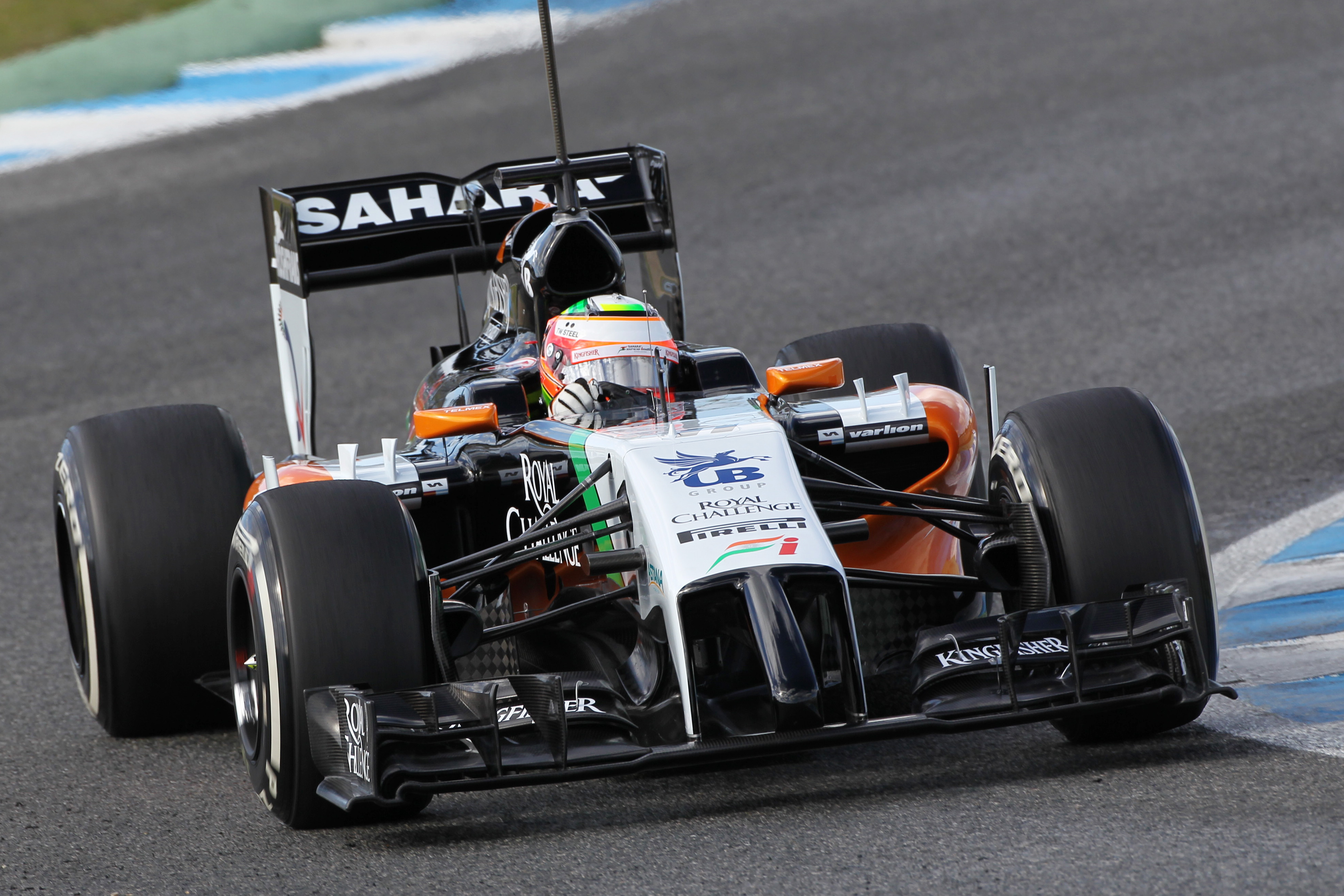
Sahara Force India got through a second day of testing in Jerez as Sergio Perez completed 37 laps in the VJM07. Nico Hulkenberg will get his first run in the car tomorrow.

A few nice images of car and driver..

Motor Racing - Formula One Testing - Day 2 - Jerez, Spain

Above: Couple of shots of Sergio Perez.

Above: Couple of shots of Sergio Perez.