Well done Lewis


_86323656_1af984b3-7dce-4d53-a521-87b1345759fd


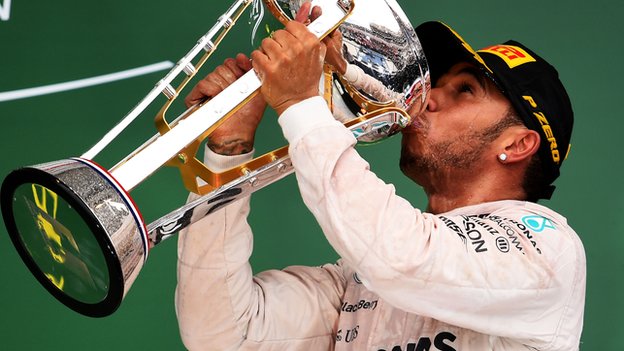
Mr Hamilton wins title for the third time becoming only the second British driver after Sir Jackie Stewart to win three Formula 1 drivers’ titles. In fact when Stewart was asked on the grid if Hamilton would be able to match his three world titles, he said: “What have I got, an hour and 45? Records were meant to be broken. I think he’s the fastest driver today.”

US GP qualifying: Sahara Force India

Nico Hulkenberg

Nico Hulkenberg


The rain continued to fall at the Circuit of the Americas during Sunday morning’s qualifying session. Times from Q2 were used to determine the grid with Sergio Perez sixth fastest and Nico Hulkenberg in seventh. With a grid penalty for Sebastian Vettel, both Sahara drivers are expected to move up a position on the grid.

P6 Sergio Perez VJM08-02
Q1: 1:59.284
Q2: 1:59.210
Q3: Cancelled
“I’m very satisfied with my performance this morning, especially because in these conditions things can easily go wrong. Qualifying well in the rain is often a case of being out on a flying lap at the right moment, when the conditions are ideal: every single lap counts, because the next time around the rain could be worse and your chance is gone. It’s important to stay focused and I think we did a fantastic job to get both the cars up on the third row. I believe the call to cancel Q3 was the right one as the track conditions were getting much worse: it is very hard for the FIA and Charlie (Whiting) to take this decision, but the safety of drivers and marshals has to be their priority. I am under no illusion that the race will be easy: there will be a lot of pressure and tension. I hope we will be able to race: the fans have been amazing and they really deserve a great show.”

P7 Nico Hülkenberg VJM08-03
Q1: 1:58.325
Q2: 1:59.333
Q3: Cancelled
“It was a challenging session, but it was also exciting and good fun. It looks like I will be starting from sixth place, but it could have been even better because I lost my best lap in Q2 with aquaplaning and a spin. Visibility was very poor and the rain got very heavy towards the end of Q2 so it was certainly the right decision to cancel Q3. We’ve looked competitive in the wet conditions so that’s a good sign for the race, which looks likely to be wet.”

Vijay Mallya, Team Principal and Managing Director:
“Thankfully the intensity of the rain had eased slightly this morning allowing most of the qualifying hour to take place. Conditions were extremely difficult with a high risk of aquaplaning, but both Sergio and Nico performed very well to secure their places in Q2. The decision not to run Q3 was sensible as there was so much standing water on the circuit and the intensity of the rain had increased. With a penalty for another car we expect Sergio to start from fifth place and Nico from sixth. It’s likely to be a wet race this afternoon so the task now is to convert our strong pace into a good result.”


Sergio Perez

Sergio Perez

US GP qualifying: Williams

Felipe Massa qualified ninth and Valtteri Bottas 12th for this afternoon’s US Grand Prix. Rain affected the whole session and Bottas suffered a suspension failure as he was eliminated at the end of Q2. Q3 was then cancelled as the weather worsened so the Q2 standings will form the grid for this afternoon’s race.

Rob Smedley, Head of Performance Engineering: “A very factious qualifying session as we didn’t even get to run Q3. We will move up two positions as the Ferraris take their penalties. We now have a fraught preparation for the race to make sure we have all eventualities covered. The predictions for the weather haven’t been totally accurate so we have to be reactive to any changes and hopefully can have a successful race.”

Felipe Massa: “It was a very difficult qualifying. It is clear to see our improvements in the wet as we have made it into the top 10 which shows progress, although we want to be up at the top. It was a good choice to red flag the final session. One of the biggest challenges of the race will be to finish, that’s the first job, then we can look for points.”

Valtteri Bottas: “Those were very tricky conditions. It’s a shame we couldn’t make it to Q3, I just couldn’t find the same amount of grip that I had in Q1, so in Q2 I struggled a bit more with traction. The race is very soon now, so that’s the only opportunity to make the best we can from here.”

US GP qualifying: Lotus

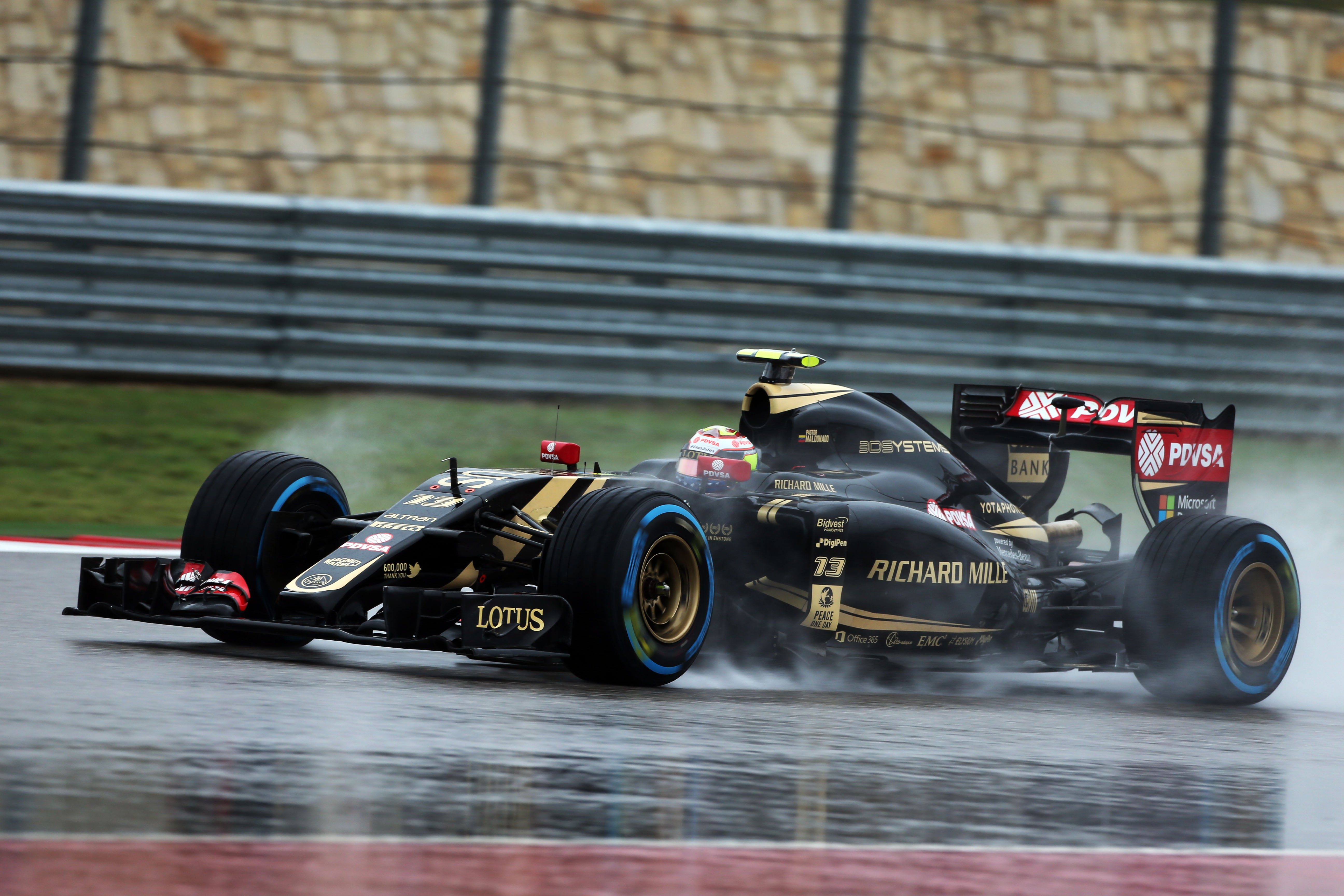
Pastor Maldonado

Pastor Maldonado (and below)

Pastor Maldonado (VEN) Lotus F1 E23. United States Grand Prix, Saturday 24th November 2015. Circuit of the Americas, Austin, Texas, USA.


Lotus has qualified 13th and 15th for today’s US Grand Prix. In extremely wet and slippery conditions, both drivers proceeded to the second qualifying session but were unable to break into the top 10 for this afternoon’s race. Both drivers gain two positions on the grid as a result of penalties for other competitors, meaning Grosjean starts in P11 and Maldonado in P13.

Romain Grosjean, E23-04. Q: P13, starts P11, 2:00.595:
“Conditions were certainly very hard for everyone out there. We knew our relative performance on the wet tyres wouldn’t be as good as it is in the dry. We pushed as hard as we could to get into the top ten but we just couldn’t make it. The rain fell harder in Q2 and it became too wet to run any further laps.”

Pastor Maldonado, E23-03. Q: P15, starts P13, 2:01.604:
“At the end of Q2 it was raining too much which made it very tricky. I found it very difficult with our car as even staying on a line was tough. The rear was very unstable and we had a lot of oversteer. The track itself was too wet for the last few laps so I can understand why Q3 didn’t take place.”

Alan Permane, Trackside Operations Director:
How was qualifying? “For the drivers it was a game of finding some clear track away from the spray and maximising the opportunities when the track was at its driest. It rained all through the session so it was difficult for everyone out there. The conditions were very poor at the end of Q2 which was highlighted by Q3 being aborted.”

What are the considerations for the race? “The weather is obviously the primary consideration. It’s raining right now and we’re watching the skies and the satellite maps very closely.”


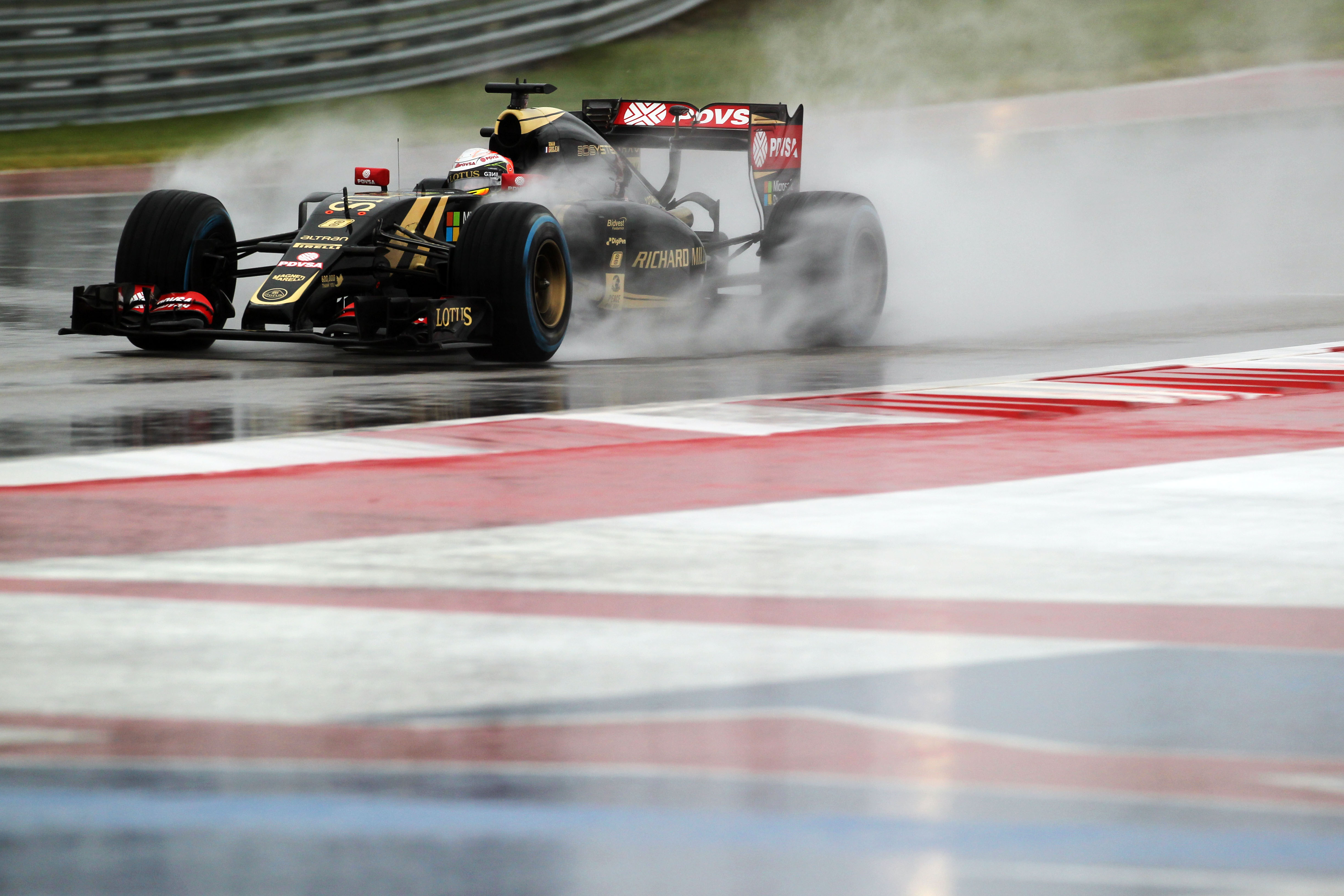
Romain Grosjean

Romain Grosjean (and below)

Romain Grosjean (FRA) Lotus F1 E23. United States Grand Prix, Saturday 24th November 2015. Circuit of the Americas, Austin, Texas, USA.

Rain stops play

Motor Racing - Formula One World Championship - United States Grand Prix - Qualifying Day - Austin, USA

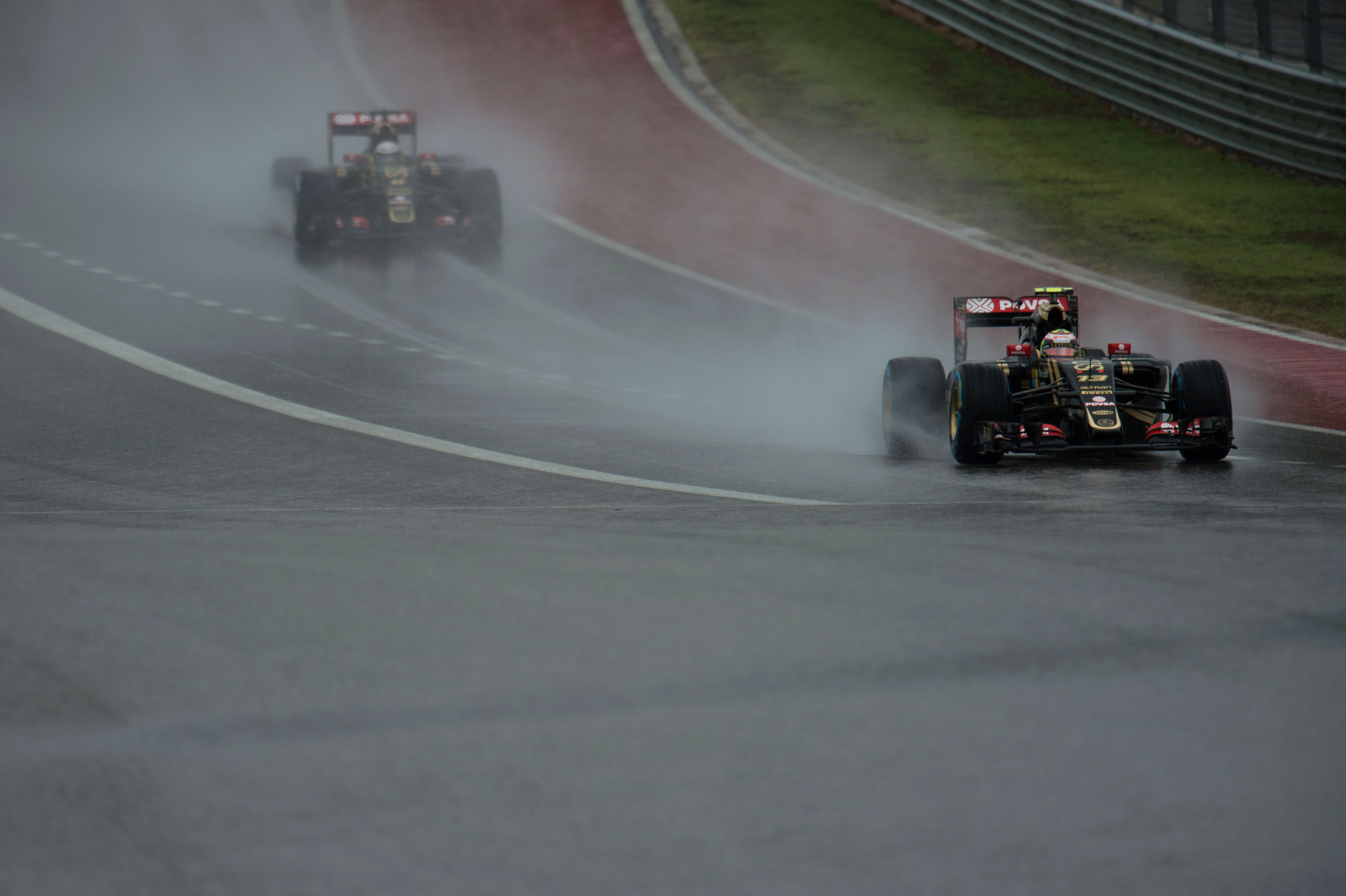
Romain Grosjean (FRA) Lotus F1 E23 follows team mate Pastor Maldonado (VEN) Lotus F1 E23. United States Grand Prix, Saturday 24th November 2015. Circuit of the Americas, Austin, Texas, USA.


It’s been a bit of a soggy waiting game at the Circuit of the Americas with a very wet FP3 and a much delayed and ultimately postponed qualifying session. Qualifying is now scheduled for 9am tomorrow morning at the track.

There’s nothing you can do about the weather and it’s been a pretty long day for the teams waiting to see if the weather would improve. Some laps were completed in the morning but it was very slippery on track.

So, what does a Sunday morning qualifying mean for the teams?

We saw a Sunday morning qualifying last in Australia a couple of years ago so it’s not an alien concept but one thing is certain – it will make for a busy race day. The weather is predicted to be better tomorrow, however there’s still a chance of rain. It’s going to be important that the cars come through qualifying with minimal issues as there will only be a short time between qualifying and the race.

Teams will have less time to work on strategy permutations based on starting position and they won’t have much dry run data. If it’s wet there are the usual wet weather considerations.

About as much as one can say really.


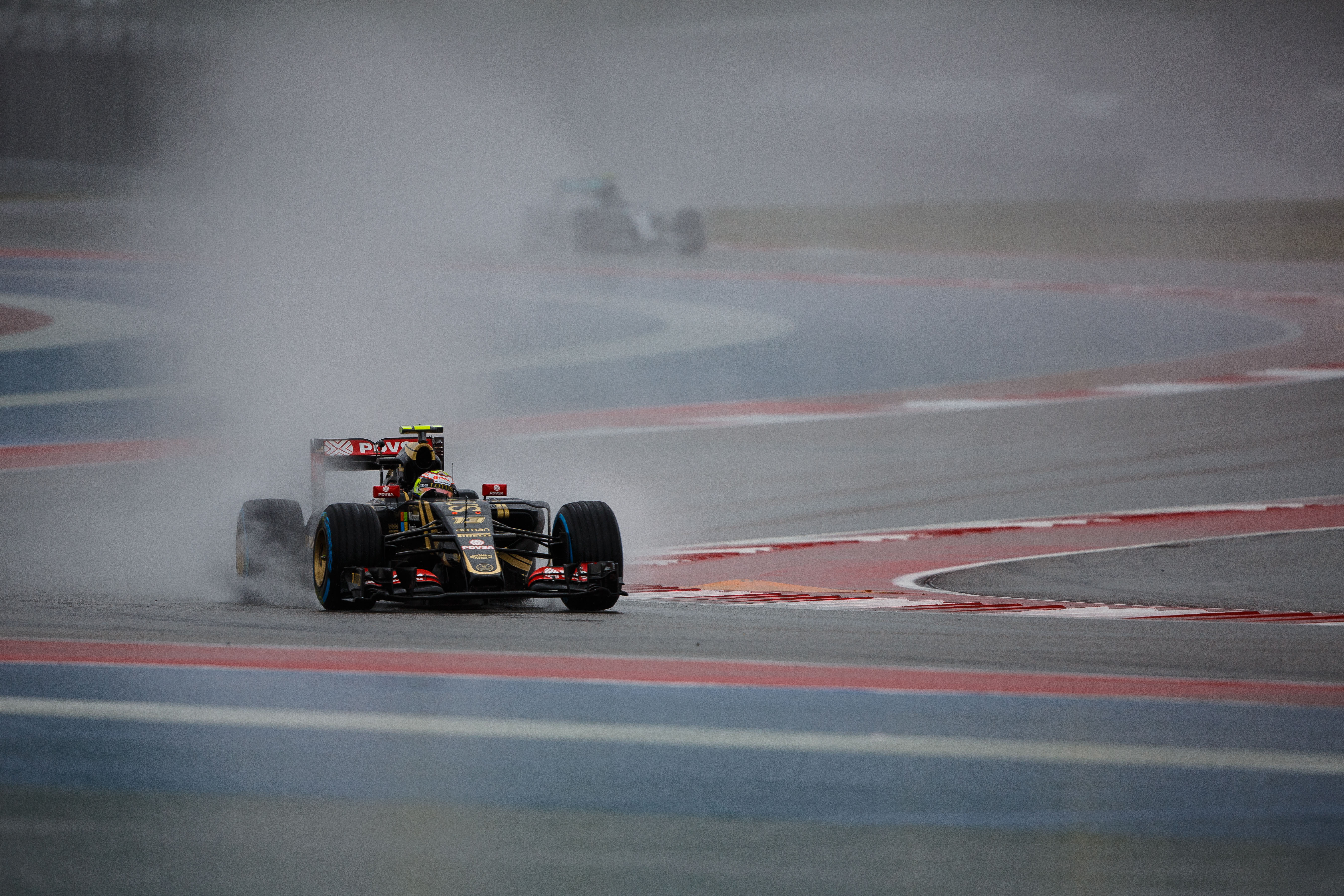
Motor Racing - Formula One World Championship - United States Grand Prix - Qualifying Day - Austin, USA

Pastor Maldonado (VEN) Lotus F1 E23. United States Grand Prix, Saturday 24th November 2015. Circuit of the Americas, Austin, Texas, USA.

Jolyon Palmer driving for Lotus next year

Jolyon Palmer at the Japanese Grand Prix, Friday 25 September 2015, Suzuka.

Jolyon Palmer at the Japanese Grand Prix, Friday 25 September 2015, Suzuka.


Pleasing his (former F1 driver) dad, Jonathan enormously one assumes…

Palmer junior, 24, has driven for the team in the majority of this season’s Free Practice 1 sessions, and is back in the E23 Hybrid at this weekend’s United States Grand Prix. He joined Lotus F1 in January, following an outstanding GP2 campaign in 2014 where he won the championship in dominant fashion, becoming the first British driver to win the GP2 Series since Lewis Hamilton in 2006.

Gerard Lopez, Chairman and Team Principal, Lotus F1:
“We are very pleased to announce that exciting British racing talent Jolyon Palmer is promoted to a race seat with the team for next season. We’ve seen Jolyon’s hard work and talent this season in the way he’s approached his third driver role and he is a really popular choice for the team. As well as having a great future ahead of him behind the wheel, Jolyon is an intelligent and highly marketable asset to the team. He deserves this opportunity, and everyone at Enstone is excited to see what he can achieve next year.”

Jolyon Palmer, current Third and Reserve driver:
“I’m obviously delighted that I’ll be racing in Formula 1 next year. Lotus F1 gave me a tremendous opportunity this season and I thank them for assisting my development to a level where they have put their trust in me for a crucial season in their evolution. I’ve enjoyed and learnt a lot from my year so I’m looking forward to putting this into practice as a race driver in 2016. I can’t wait for next season to get underway!”

The US Grand Prix

Formula One has made several attempts in the past two decades to regain a successful foothold in the United States, and seems to have finally struck gold with the Circuit of the Americas.

The sport is steeped in history in the US, with the likes of Watkins Glen and Long Beach helping to define that era, but after transitions through Detroit, Dallas and Phoenix it struggled to find a permanent home.

The short-lived stay in Indianapolis was followed by a five-year absence, but since 2012, the universally popular Texas venue has carried Formula One back with a bang.

Says Williams drivers, Valtteri Bottas: “Austin is the place where I scored my first points so it will always be special to me. It’s also one of my favourite circuits to drive, with fast sweeping corners. Austin as a city is a fantastic place, accompanied by great weather. For me it’s one of the best locations on the calendar.”

And Felipe Massa: “Austin is a beautiful place with a great circuit which has fantastic infrastructure. The circuit is very fun to drive with many fast corners. The first sector is incredible leading into a long straight with the opportunity for overtaking. The first corner is special – the elevation change is incredible and the space available means it’s a great place to pass and it’s hard to defend. The fans really enjoy Formula One and the drivers like to go there.”

Russian GP post race: Williams

Felipe Massa finished 4th, with Valtteri Bottas classified 12th after an accident on the final lap ended his chances of a podium in today’s Russian Grand Prix. Bottas was set for third place after overtaking Perez on the penultimate lap on newer tyres, but was hit by Raikkonen on the final lap and his race ended in the barrier at T4. Starting down in P15, Massa drove a strong and consistent race to make his way through the pack and score some valuable points for the team.

Rob Smedley, Head of Performance Engineering: “Obviously we are bitterly disappointed to lose what looked like a deserved podium finish on the last lap of the race. The team has done a good job and made the right strategy calls, and both drivers did a fantastic job, so to come away with less points than we should have and no silverware is frustrating. Pirelli did a good job with the tyres this week and on different strategies our cars managed to make them work for us when needed. We now have to go on to the USA and Mexico in good spirits and to use the positives of this race weekend and the strong pace we have shown to make amends and have another strong weekend.”

Valtteri Bottas: “It was quite a strange race with lots of accidents and safety cars, and we managed to do a very good job as a team to give me a good shot at the podium. I was running in P3 on the last lap and then I was hit from behind in Turn 4 and that was it. It’s difficult to describe the disappointment because the team has worked so hard all week to get a good result, and then the result we feel like we deserved was lost with only one lap remaining. It’s a tough end to the weekend.”

Felipe Massa: “It was a good result for me today and we managed to do well to fight back from a disappointing qualifying yesterday. I lost a bit of time behind slower cars at the beginning of the race because I was on harder tyres than those around me, but the pace was very good on the supersofts at the end. This allowed me to close up and be in a position to collect more points on the final lap due to the incidents up ahead.”

Russian GP post race: Sahara Force India

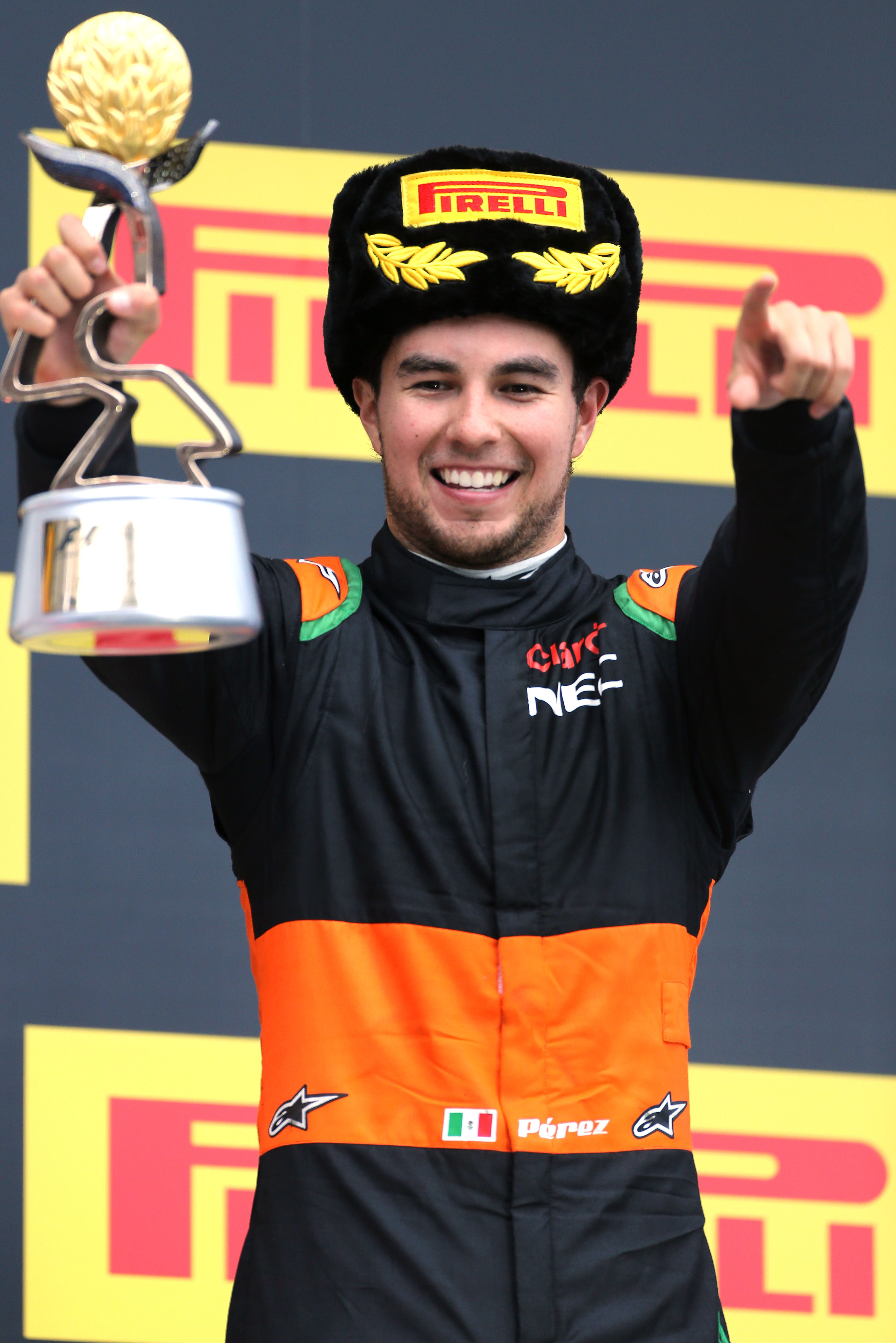
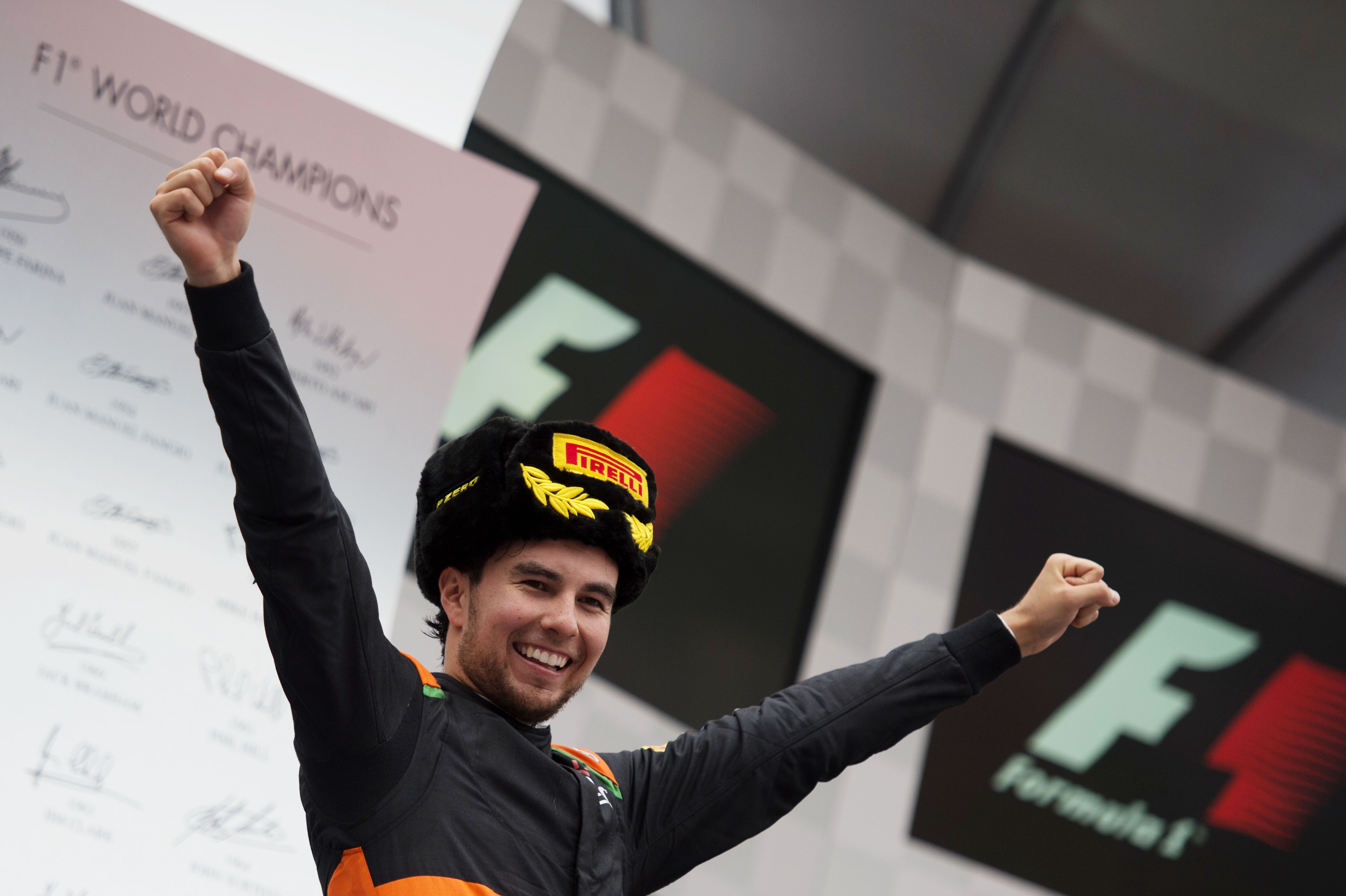
Sergio Perez celebrates his third position on the podium.

Sergio Perez celebrates his third position on the podium.


Sergio Perez raced to a well-deserved podium finish in today’s Russian Grand Prix to score 15 world championship points. Team mate Nico Hulkenberg retired on lap one after spinning at turn two.

P3 Sergio Perez VJM08-02
Strategy: Used SuperSoft (12 laps) – New Softs (41 laps):
“It feels great to be back on the podium and to be able to celebrate with my team. I have been enjoying my time with the team so much and this is a great reward for all the work we have put in together. The call to pit under the safety car turned out to be very good because it gave us track position ahead of all the battles. With one lap to go, when Valtteri (Bottas) and Kimi (Raikkonen) passed me, it felt like this result had been taken from us: I was obviously disappointed but I also knew I had given all I could during the race. There was no more I could do because I had been on the same tyres for more than 40 laps. When I finally managed to get back into third it was just an amazing feeling. I am happy I was able to share this second podium with my team. It’s a very special result and one that fills me with expectation ahead of the races in Austin and especially Mexico City.”


Motor Racing - Formula One World Championship - Russian Grand Prix - Race Day - Sochi, Russia

DNF Nico Hulkenberg VJM08-01
Strategy: Used SuperSofts (1 lap – Retired):
“I didn’t have the best of starts, but then I was able to pick the ideal line on the approach to turn two. Unfortunately, I locked the rears going into turn two and, when that happens, you just end up in a spin. I hoped the whole field would get past without hitting me but unfortunately Ericsson got stuck with me and I couldn’t move away. The first lap is always a unique situation: I didn’t brake any later, but with cold tyres it’s really tricky and once the tyres locked there was nothing I could do to save it. It’s always a pity to go out at the start and it’s really frustrating because our pace seemed really good this weekend. I just want to move on and start thinking about the next race. At the same time I have to say well done to Checo because the podium is a great result for the team.”

Robert Fernley, Deputy Team Principal:
“We have to compliment the team on a great performance and a perfect strategy. Pitting Sergio under the safety car was an aggressive call, but it paid off. We knew we would be under pressure towards the end, but having track position was crucial and the events on the final lap vindicated our decision. Checo did a great job defending against Ricciardo first and Bottas later until the very final stages and then we had some good fortune on the final lap. The only blot on our copybook today was Nico’s accident at the start. It was unfortunate but he will bounce back in Austin. Our recent run of form is testament to the great job we have done over the last few months and it’s incredibly satisfying to deliver on the potential we have shown with a podium. We’re on target to consolidate our fifth position in the championship and that has to be our objective for the end of the season before we push hard to move forward next year.”

Russian GP post race: Lotus

Romain Grosjean

Romain Grosjean


Romain Grosjean emerged unscathed from a high speed tangle with the barriers whilst Pastor Maldonado finished in eighth in today’s Russian Grand Prix. Grosjean had been fighting back from a pit stop to replace his front wing after a first lap contact before hitting the barriers and retiring on lap 12.

Grosjean started from P8 on the grid on his qualifying super soft compound tyres. He stopped for a new front wing and new soft tyres at the end of the first lap. He retired from the race after contact with the barriers on lap 12. Maldonado started from P14 on new soft tyres, changing to new super soft tyres on lap 30.

Romain Grosjean, DNF, E23-04:
“I lost the rear end in a very high speed corner going through turn three and couldn’t recover it. We don’t know exactly why yet. We need to check what has happened – was it a driver error or something technical? – we’ll see. I feel sorry for the guys because there will be a lot of work to repair the car. I feel okay physically and I’ll certainly be a bit sore tomorrow morning, but I’ll be completely fine again after a couple of days. We lost some good points today but let’s understand what happened and look forward to the next race.”

Pastor Maldonado, P8, E23-03:
“It was a bit tough today but we opted for the right strategy from the beginning starting on the soft tyres and going longer on the first run. Unfortunately we lost a lot of time on the second stint with the new super soft tyres. Our car didn’t perform as expected at the beginning of the run but then after a few laps we started to get back into the rhythm. We scored points today which is very positive for the team and hopefully we can continue to do so in the next races.”

Federico Gastaldi, Deputy Team Principal:
“The most important thing from today is that Romain’s okay after his crash. We were all very relieved when we saw him jump out of the car and he was his usual happy self when he came to the garage to tell everyone about what happened. Pastor had a solid race into the points from a less than ideal starting position so a good performance from him.”

Alan Permane, Trackside Operations Director:
“We are looking at the data and speaking with Romain to ascertain what happened but obviously we’re glad all the safety measures did what they should. Pastor was able to make progress in a race that saw a reasonable amount of incidents. Not our strongest weekend so we’ll be looking to do better in Austin.”

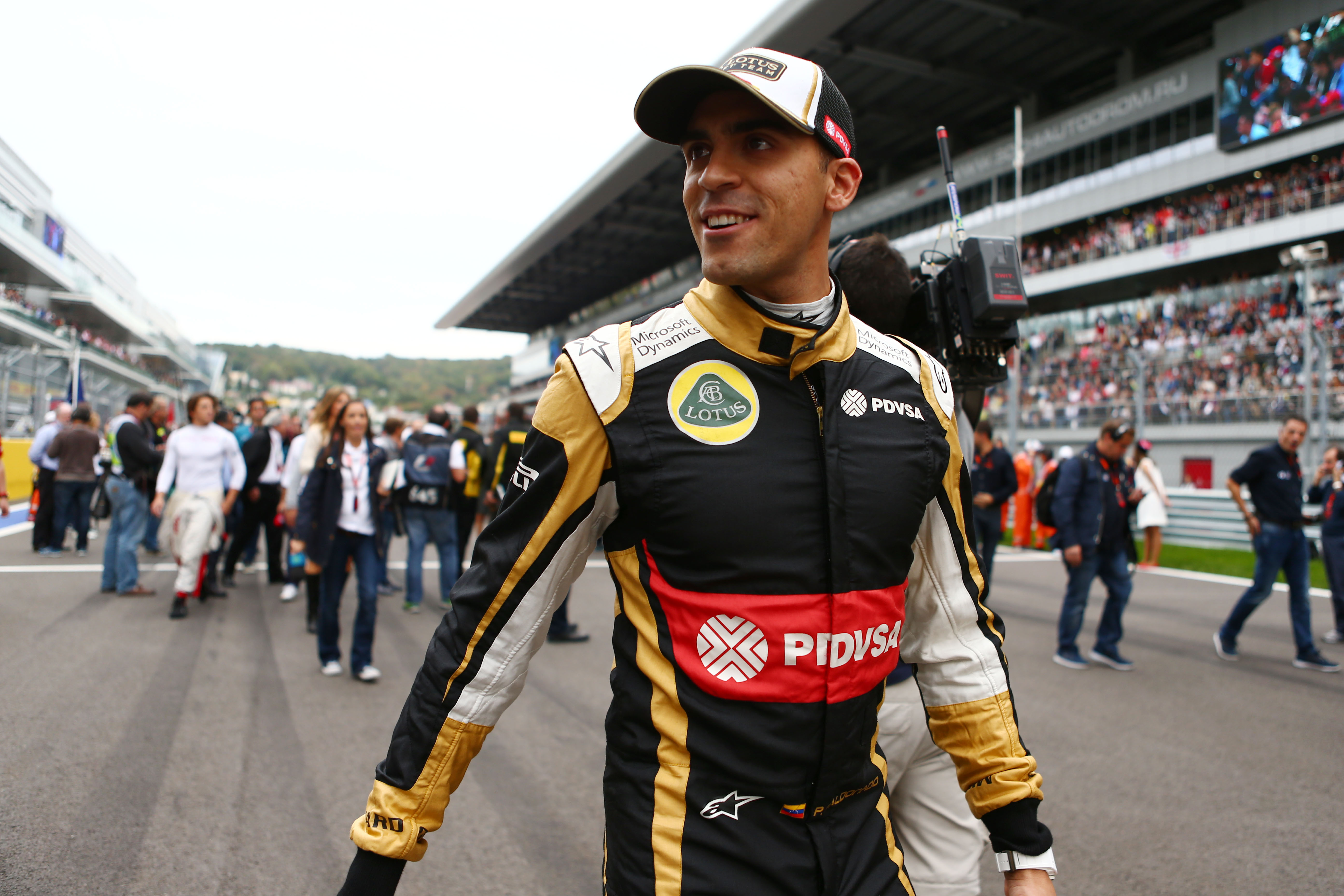
Pastor Maldonado (VEN) Lotus F1 Team on the grid. Russian Grand Prix, Sunday 11th October 2015. Sochi Autodrom, Sochi, Russia.

Pastor Maldonado (and below)


Pastor Maldonado (and below)

Russian Grand Prix

After a successful debut on the Formula One calendar in 2014, the Russian Grand Prix in Sochi returns to host the 16th round of the Championship. The Sochi Autodrom is one of the longest in Formula One and circumnavigates the 2014 Winter Olympic venues as well as sharing just over 1km with public roads.

Designed by Herman Tilke, the circuit boasts some of his signature designs such as long straights and sweeping hairpins.

Can a chemical search engine explain how life began on Earth?

Scientists have developed a new form of ‘chemical search engine’ which could provide clues to the origins of life on Earth.

In a new paper published today in the journal Nature Communications, a team from the University of Glasgow’s School of Chemistry describes a new approach to solving a 50-year conundrum in which they used an automated robot system to explore many different random combinations of the building blocks of proteins.

The team found that peptide compounds of long length and complexity can form in a very simple way by heating and cooling the building blocks as they go through wet and dry cycles.

The research was led by the University’s Regius Chair of Chemistry, Professor Lee Cronin. Professor Cronin’s group has previously researched methods of creating inorganic life and has also created the ‘chemputer’, a 3D printer-inspired robot which can synthesise complex chemicals. This new piece of research brings concepts from both projects together.

Professor Cronin: “Proteins are some of the basic building blocks of life, and we’ve long known that they make up the working machinery of living cells. However, we’re still struggling to determine whether proteins came first or if the genetic machinery of DNA or RNA did.

“The problem is that the origin of life was thought to be so complicated that we are not sure if there was enough time to make such complex molecules or understand the mechanisms by which they were produced.

“Our research aimed to help answer this question by creating a robot capable of creating many different random combinations of conditions, and then focusing in on the promising ones. Very quickly, we found that it was possible to assemble the building blocks just like the way we find them in modern proteins. Our chemical search engine is able to search large amounts of chemical space, similar to how systems like Google search the internet. Instead of reading HTML, however, the system performs chemical reactions.”

The team concludes that small protein fragments can be made much longer and much more easily than previously thought, which could lead to the formation of life-like molecules and machines in the laboratory.

The team’s robot system allows the researchers to record very precisely how many combinations of chemicals and the outcomes of the reaction which will help them to calculate the likelihood of producing the first complex molecules essential for life as we know it today.

Professor Cronin adds: “We believe this is a significant finding which could suggest that the beginning of life on Earth was a simpler process than we previously expected. It could also provide valuable support to the idea that the universe is teeming with life, as well as allowing us to ‘search’ for new types of life in the laboratory.”

The team’s paper is titled Formation of oligopeptides in high yield under simple programmable conditions. The research was funded by the Engineering and Physical Research Council (EPSRC) and the Royal Society-Wolfson Foundation.

Concorso Italiano

20150815_140957


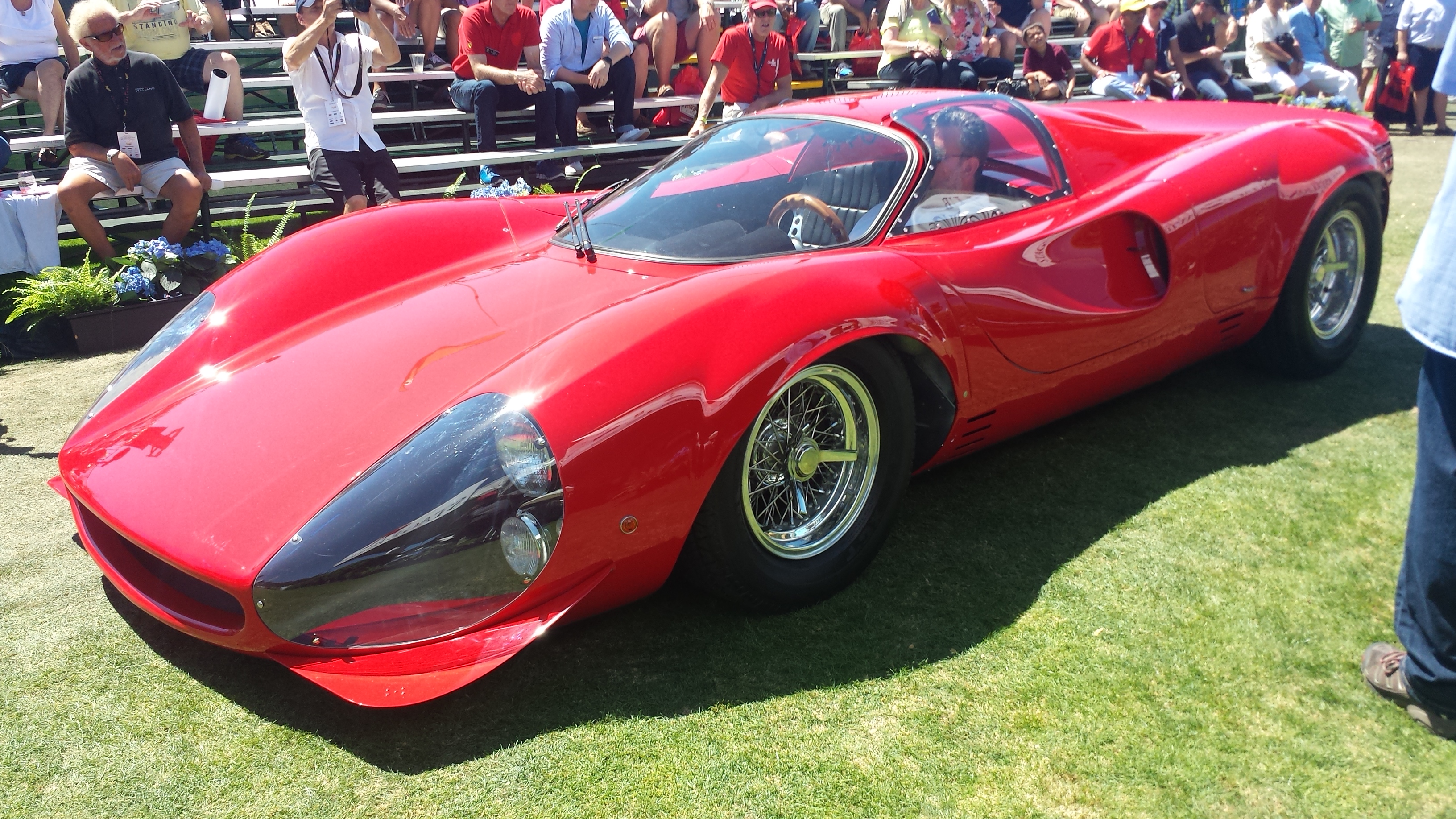
Forgotten about this. Italian automobile enthusiasts from around the world descended on the Black Horse Golf Course in Monterey, California recently for the 30th anniversary of Concorso Italiano, the annual must-attend event for classic gear-heads, centered around as many as 1,000 collectible Italian automobiles.

It’s also the convergence of sophistication, taste and affluence embracing all the cultural elements of Italian style, including music, cuisine, fashion, and travel. The Concorso emphasises display and appreciation over competition, and although the cars are truly magnificent, this event is as much about the people who attend as it is about the finely engineered cars.

The passionate and discerning enthusiasts attending this event represent a highly desirable demographic group from around the world. Eighty per cent are entrepreneurs or professionals and 70 per cent are in the highest income bracket. Concorso Italiano is also a major contributor to several local, national and international charities. Print, web, film and television media from around the world constitute the more than 400 media passes requested each year.

Must go sometime…

Haas-Grosjean interview (long)

An important piece of the puzzle to Haas F1’s debut in 2016 is now in place. How did it come about?
Haas: “Well, you know, this is part of our long‑term strategy. I think we’ve always maintained that we wanted an experienced driver to lead our team into the 2016 season. You know, Formula One is a tricky business. It’s like any other kind of business. You have to learn it, and the best way to learn it is to learn it from other people.

“We were looking for an experienced driver, and Romain was one of several candidates. He’s been in Formula One for many years. He’s been an excellent driver for Team Lotus. I reviewed a lot of his video of his driving styles. One thing that was very impressive is the fact that he’s scored points almost every season, and that’s really what our primary goal here is – to be able to score points.

“I think as a piece of the puzzle, he’s going to have a lot of work to do. He’s going to be our lead driver and we’re going to depend heavily on him to help us with our strategies with the car, with the racetracks, and just the learning of the whole operations of an F1 team.”

Romain, you’ve had a very accomplished career in motorsports, winning championships in every series you’ve competed in as you’ve climbed the ladder to Formula One. What was it about Haas F1 that made you decide this was the place for you?
Grosjean: “Well, it’s a question I had to ask myself, first of all, and thinking about your future and your career is always important. I discovered the project a few years ago through the media, and then got to know a little bit more about what Gene and Guenther were doing and how it was nicely building up, and I like the fact that it’s a different approach to what a normal new F1 team would do. I think it’s an approach that can be pretty quickly successful and, if we’re racing in Formula One, it’s not to be last on the grid. It’s to always do our best as a team, as a driver, and what we’d like is to try to drink the champagne on the podium.

“I like the idea of the partnership with Ferrari. I like the way everything has been going. I like the fact that it’s going slowly but nicely and, as I said in the media recently, I’m very, very happy that I made that decision.”

Guenther Steiner, team principal, Gene discussed the overall reasoning for pursuing Romain, but can you talk about some of the details that make him the ideal fit for Haas F1 in its inaugural season?
Steiner: “As Gene said before, you know, we looked around a lot to find the right guy because we wanted somebody with experience but still hungry to do something, to go with us this long way. I mean, I started talks with the management of Romain in Barcelona to see if he’s interested and, you know, we spoke to quite a few drivers, and in the end I spoke also with technical people, what they think about Romain, how he develops a car, because we have got a steep mountain to climb here, new team, all new team members, so we needed somebody who knows what he’s doing.

“I think in the end we found the right guy because he has so much ‘want to drive’ now, and he’s still aggressive or still wants it, you know, but he’s not young (so) anymore that he’s inexperienced. We lose time by having accidents or doing rookie mistakes. I think we just picked the best one out there for what we are doing, and we focused on him and got him, and we are very happy and we are looking forward to working with him.”

Romain, what would you say is a reasonable expectation for Haas F1 going into the next season?
Grosjean: “That’s always a question you get at the beginning of the year. It’s a tough one to reply (to) when you know a team. It’s even more difficult when you know it’s going to be the first time the car is on track. But I think from what I’ve seen so far, we should be able to run straight away without I think the problems for new teams, which makes – which was part of my reflection for the decision, and I think it would be really good to score a few points early in the season for a newcomer American team, and I think a lot of support behind us.”

Gene, can you compare for us building a NASCAR Sprint Cup Series team as you’ve done over the last 15, 20 years, and the last couple of years building an F1 team? What are the similarities and what are the differences between building the two types of operations?
Haas: “Well, I think if anything the main ingredient is just stubbornness, not giving up and just keeping your head pointed forward and just taking your licks as you go. NASCAR was certainly difficult. We spent five or six years in NASCAR and we were always in the back. It was a pretty gruelling, tough experience. I can sympathise with a lot of guys that run in the back and just how hard that is.

“We were one of the fortunate teams in that Joe Custer put together a deal with Tony Stewart, and that became Stewart‑Haas Racing, and I think in our first season we started winning races, so that was a real eye-opener. It takes the right people to make things happen. The same thing with Formula One. When we first started out, initially Guenther took me to I think Austin, and I met Bernie Ecclestone, and that was a real eye-opener there, too, because here’s the godfather of Formula One, and you get to meet him, and he’s a pretty coy person. It’s kind of like he almost dissuades you from wanting to start this business because he’s seen so many people attempt it and fail.

“But, like anything else, we kept banging away at it, and I think it was a couple years later he finally said, look, if you’re really serious about this, we’ll make a tender for you, and he had to open it up to various teams.

“You know, through the whole process, it really comes down to selecting the right people, taking your time, trying to analyse things, then adapting to what you learn. What we initially started with, say, two years ago has really kind of changed quite a bit, and our whole direction now has gone a little bit different than as opposed to say what some of the other teams are, where the other teams are looking at being a primary constructor, and we’re trying to just basically use as much as we can from our partners. So I think that’s the main difference between us and other ones, and I think that’s really going to be a difference in the way we run our team.”

When selecting Romain as a driver, did you also look at his commercial appeal to bring sponsors to the team in the future?
Haas: “You know, I’d have to say that we had a lot of pressure to hire an American driver, but the reality of it was that a rookie driver with a rookie team just isn’t a good fit. Our primary purpose here is to show that, as an American manufacturer, that we can compete in the most difficult, competitive series in the world of car racing, and that was Formula One.

“In order to achieve that goal, our direction was to do whatever it takes. I mean, it’s like, say, when we first started out, we’re not here to sit there and say: ‘Hey, we as Americans can do it the American way.’ Our goal is to race competitive teams and, basically, whatever it takes to get that car on the grid with the right people is what we’re looking for.

“I think with Romain, the difference is that there’s only 20 drivers that are currently now driving in Formula One. He fits that bill perfectly and we were kind of surprised, I’m a little surprised, that we got a driver with the experience that he brings to our team because it’s going to be a real challenge. He’s going to be working a lot harder than he thinks he’s going to be.”

The last three teams that entered Formula One failed, although one did revive. Where will Haas succeed where they failed, or how will Haas succeed where they failed?
Haas: “You know, I think our strategy is different than what those teams faced. I think they were under a real time constraint. They had probably almost six months to put together a whole team, and I think when people think about entering Formula One, at least from my point of view at that time, and even a casual observer, is that somehow these cars, you can go down and parts in cars are all readily available, but you really have to build everything from scratch. I think that’s what really tripped up the previous teams was, is, that they just didn’t allow enough time to actually build their cars so, when they got on the grid, they were really, really behind. Not only are you trying to develop and design your car, but you’re also trying to race, and trying to do those things simultaneously is probably impossible. That’s probably the biggest difference with us.

“We took a little – we’re taking quite a bit more time, actually, to get our car prepared and, at the same time, we’re also able to put together some very important relationships with obviously Ferrari and then Dallara, plus our UK operation. We were very fortunate to be able to obtain a race shop that had a lot of facilities that we really needed. If we had to do that in a short of timeframe, I don’t think any of that would have happened.

“I think that’s really the biggest difference is, just the more time you have, the more time you have to develop the relationships that you need and secure the people, equipment and other parts of the puzzle that just takes time, and time is what we need, and when we get to the grid, we won’t be developing a car, we’ll be ready to go. The car is fully developed, and I think even later this year we start to get to work on the 2017 car. So I think we’re a little bit ahead of where those other teams were.”

Romain: Can you tell us what specifically about Haas convinced you that this was a good move, or is it more of a situation where you saw things weren’t going the way you wanted them to at Lotus and you’re just looking for a change?
Grosjean: “Well, I think, as I say, I took my decision before – there was not decision A and decision B. I’ve met Guenther, I’ve met Gene. We spoke. They explained to me what was the project like, and I believe that it’s a new approach going on in Formula One and an approach that’s going to work. I’ve spent 10 years, and I know the guys very well, and it would have been easy to take the comfortable road and stay there. But, on the other hand, I want to try to win races, win championships, and I thought that coming here to Haas was a good step in a good direction to achieve that.”

Gene, besides Formula One experience, what were the additional qualities you were looking for in a racecar driver for your team?
Haas: “Well, that’s actually a very good question because that was the primary focus, was looking for a racecar driver. But I think some of the other qualities would be just the maturity of experience. You know, there’s always theory and then there’s actual experience. I think when you start out as a racecar driver, you have a tendency to be a bit aggressive so, hopefully with Romain, his maturity will lend itself towards us being able to progress as a team.

“I think other areas, too, is that he’s a bright young person, so I think he’s going to help a lot as far as promoting our machine tool brand in Europe. I mean, obviously he’s French‑Swiss nationality, so those are both very important countries to our business. So we’ll be looking forward to him representing our products over there. I’m sure that will open up marketing opportunities both here in the US and Europe.”
Haas F1 team selects Grosjean

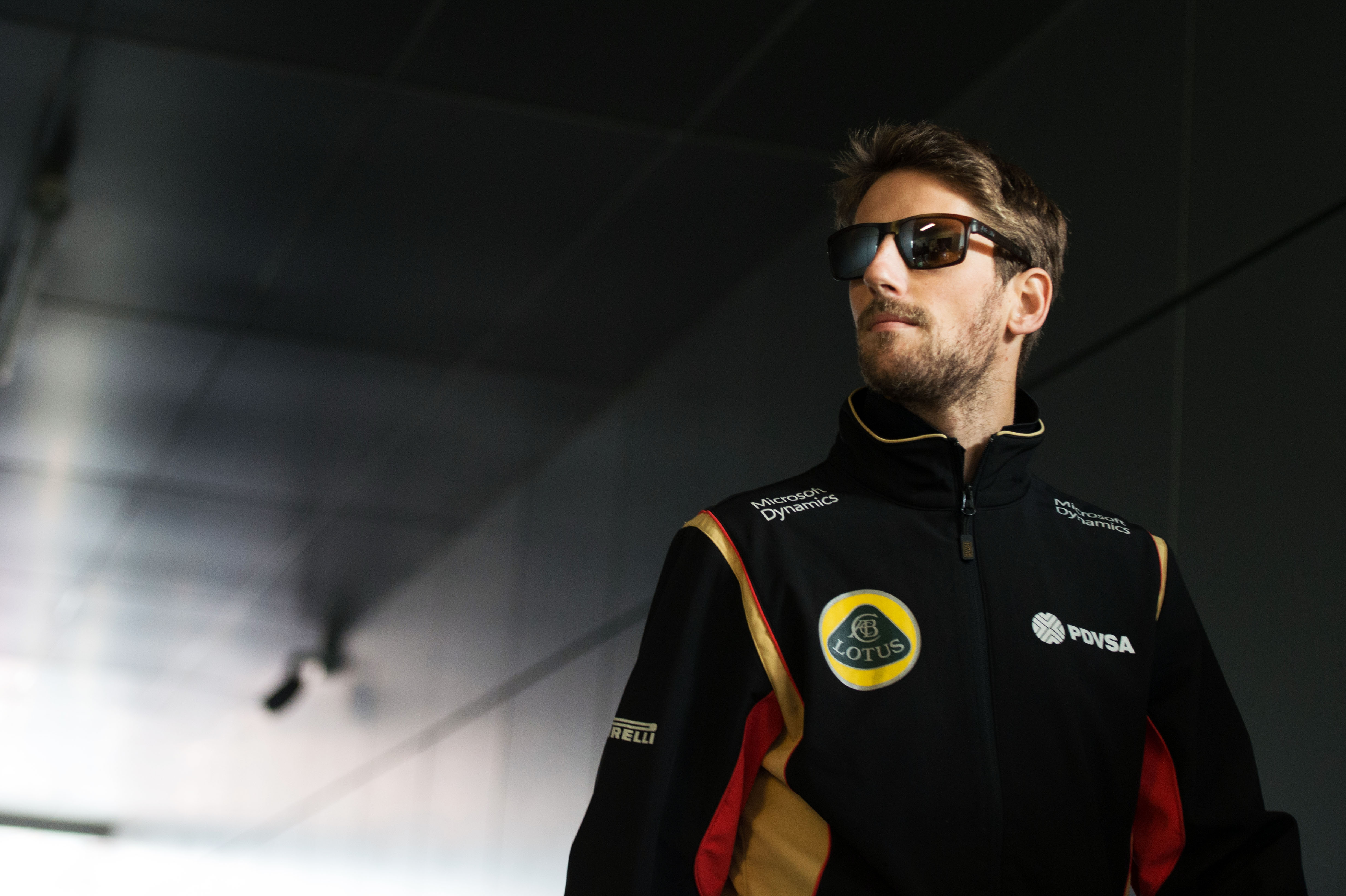
Romain Grosjean

Romain Grosjean


Well, there you have it. Lotus F1’s immensely likeable and extremely capable Romain Grojean will be racing for the new US F1 team next season. The 29-year-old has competed in 78 Formula One races and scored 10 podium finishes, with the most recent being a third-place result in August at the Belgian Grand Prix. He is currently in his fifth Formula One season with Lotus F1.

Grosjean is highly regarded as a team leader and potential world champion. The Frenchman will get his first drive with the Haas F1 team during the pre season test 1-4 March at Circuit de Catalunya in Barcelona. A second test at Barcelona takes place on 15-18 March before the season-opening Australian Grand Prix on 3 April in Melbourne.

“We wanted an experienced driver capable of developing our car and our race team into one that can score points and better itself each race and each season. We found him in Romain Grosjean,” said Gene Haas, founder and chairman, Haas F1. “I’ve been involved in motorsports for a long time and learned early on the most crucial component is the driver. Romain has strong credentials and he will be an important asset to us.”

“In addition to being an experienced Formula One driver, Romain is very technically minded,” said Haas F1’s team principal, Guenther Steiner. “He gives strong, specific feedback as to how the car performs. As we develop our car in testing and throughout the season, his insight will be crucial.”

Grosjean has won races and championships in every division he has competed as he advanced to Formula One. He transitioned quickly from karting to cars in 2003, winning all 10 races in the Swiss Formula Renault 1.6 championship, handily earning the series title. Another 10-win season in the French Formula Renault 2.0 championship in 2005 secured a second title.

Grosjean moved up to Formula Three in 2006 and competed in the full Euro Series schedule. He also drove in two British Formula Three races that year, taking the pole, the win and setting the fastest lap in both races. A second season in the Formula Three Euro Series in 2007 paid big dividends as Grosjean took four poles and six wins en route to the championship. He graduated to GP2 in 2008 and maintained his title-winning form by earning four wins in 10 races to take the inaugural GP2 Asia Series crown.

By 2008, Grosjean was in Formula One as a test driver for Renault. In August 2009, Renault named Grosjean to its race seat alongside two-time Formula One champion Fernando Alonso.

The experience garnered during that seven-race stretch of Formula One races was invaluable, and Grosjean augmented that experience in 2010 by tackling a variety of series. He won the Auto GP championship with four wins, seven podiums and three poles. He also earned two FIA GT1 World Championship wins and two GP2 podiums. Displaying his versatility, he competed in two 24-hour endurance races at Le Mans and Spa-Francorchamps, respectively.

In 2011, Grosjean returned to GP2, first winning the Asia Series championship in its final year of existence, and then the GP2 title with a season-best five victories. He also returned to Renault as its Formula One test driver.

With the Renault team under new management and rebranded as Lotus F1 for 2012, Grosjean was named to the race seat alongside 2007 Formula One champion Kimi Raikkonen. Grosjean’s first podium came in the fourth race of the season at Bahrain. Three races later in Montreal, he finished second. A third podium was earned in the 11th race of the year in Hungary.

The 2013 season was an impressive one for Grosjean as he scored six podiums, highlighted by a second-place finish at the U.S. Grand Prix in Austin, Texas.

The 2014 season saw the introduction of a new engine formula, with turbochargers returning to the sport for the first time since 1988. The development curve was steep for many teams. Grosjean recorded two eighth-place finishes in Spain and Monaco, but regularly outpaced his teammate throughout the year.

Fourteen races into 2015, Grosjean has shown the form he displayed in 2013, as evidenced by his podium at this year’s Belgian Grand Prix.

In 2016, Grosjean brings his experience and ambition to Haas F1 – the first American-led Formula One team in 30 years.