Silverstone Classic: try not to miss it


6f88ca2c-4a27-474d-8708-165fc06a1811


This year’s 25th anniversary Silverstone Classic (24-26 July) will celebrate its milestone Silver Jubilee.

At one end of the phenomenal panorama the introduction of F1 cars from the turbocharged Senna and Schumacher era brings the story almost up to date. The return of the evocative pre-War sports cars meanwhile will take festival-goers much further back in time to an epoch when the famed Bentley Boys were victorious at Le Mans in the 1920s.

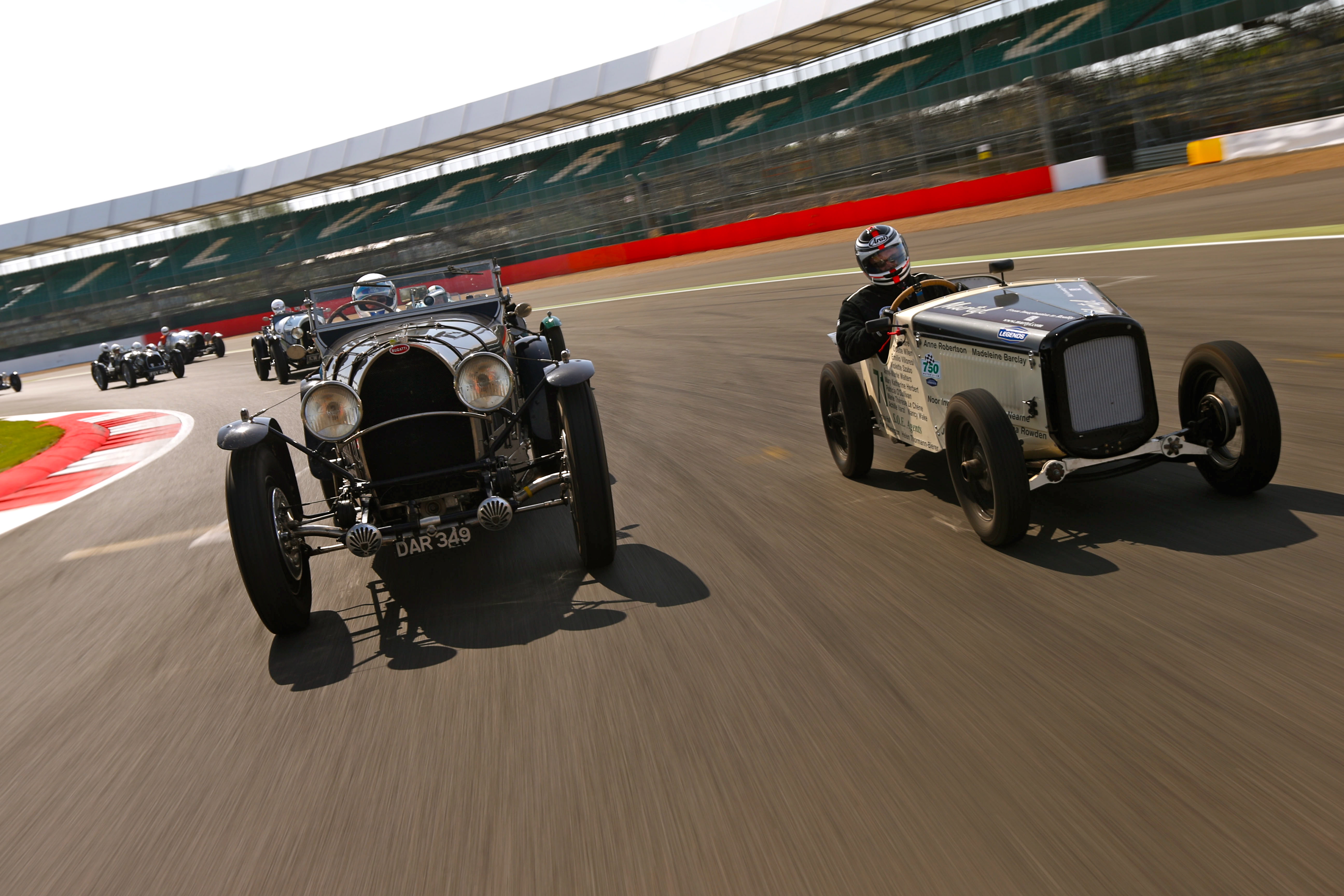
Adventurer and aviator Glen Kidston was one of them and he will be honoured at this year’s Classic. Silverstone will reverberate to the magnificent sound of a huge grid of wonderful cars from that golden age in what promises to be a vastly entertaining Kidston Trophy race on Saturday morning.

Kidston had been torpedoed twice in the same morning when serving as a Lieutenant Commander in the Royal Navy. By the mid 1920s he was a submarine Commander and when not at sea he set records as an aviator, hill climbed, conducted motorcycle speed trials on sand and raced cars, winning the 1930 Le Mans 24 Hour race in the Bentley Speed Six he shared with Woolf Barnato (above).

Having survived several serious scrapes, Kidston sadly lost his life less than a year later when the de Havilland Puss Moth he was flying broke up in mid-air during a dust storm over the Drakensberg Mountains in southern Africa.

It takes quite a grid to represent such a buccaneering character, but Motor Racing Legends has succeeded with more than 45 eye-catching entries already received. A full complement of 50 now looks probable for a dazzling 40-minute showdown complete with a mandatory pit-stop and optional driver change.

In a race dedicated to a Bentley Boy you need a Bentley or two. The Classic will have at least nine, including the 4½-litre Le Mans of vintage Bentley guru Stanley Mann plus a pair of 3-litre machines dating back to 1924 – currently the oldest on the near-capacity entry.

At the front of the pack are likely to be the big Invicta S Type of Chris and Nick Ball, the Alta Sports of Gareth Burnett and Richard Evans, and Rudi Friedrichs in the Alvis Speed 20 SA in which he has clocked up more than 150,000 miles, including three Peking-Paris rallies. The aluminium Frazer Nash Supersports of Fred Wakeman and Patrick Blakeney-Edwards is another potential front-runner – it’s one of at least seven Frazer Nashes rolling back the years at the Classic.

What makes the Kidston Trophy special, though, is the wildly diverse sizes and power of the competing machines, the mighty Bentleys dwarfing cars such as the Austin Seven, as the seatbelt-less drivers saw away at the wooden steering wheels and negotiate the modern Grand Prix track on narrow tyres.

The entry also features a mouth-watering array of nine early Aston Martins plus the three Talbot 105 works Fox & Nicholl team cars complete with their famous GO 52, GO 53 and GO 54 registrations. Paul Grist’s Alfa Romeo 8C 2.9, Richard Pilkington’s Talbot T26, Richard Wilson’s 1935 Squire Short Chassis and Martin Halusa’s Alfa Romeo 8C 2300 Zagato Spyder are other certain crowd-pullers. Halusa is also fielding his iconic Bugatti 35C.

The inaugural Kidston Trophy is just one of the many, many highlights on Saturday’s packed programme. Others include BTCC champions Matt Neal and Gordon Shedden gunning for victory in the fiercely-fought U2TC race for Sixties saloons, the opening FIA Masters Formula One contest for a record field of F1 cars from the DFV era, Group C prototypes racing into the sunset and Status Quo performing live. It all adds up to a truly unmissable day of evocative entertainment.


1e1cad73-0874-423e-bc56-aef0db06d67a 7e152a29-73d8-4b8f-8c19-c0c5c3612fff df6a60d5-4d90-4bb5-be12-4a45d711d897

The all new Lotus 3-Eleven

  • The quickest production Lotus road car ever
  • Dramatic, all-new lightweight composite body
  • Two versions, Road and Race, both developed through Lotus Motorsport.

 

lotus_260615_02

Jean-Marc Gales

lotus_260615_01 lotus_260615_03


Lotus has unveiled the company’s quickest and most expensive series production car ever, the 3-Eleven, at the 2015 Goodwood Festival of Speed.

Working on the concept of less is more, and keeping close to Lotus’ track roots, the dramatic new vehicle features an all-new lightweight body, with an open cockpit design and a revised V6 supercharged engine developing 450 hp.

Two variations of the Lotus 3-Eleven will be available: Road and Race. Based on the Road version, the Race includes a more aggressive aero kit, a sequential gearbox and an FIA approved driver’s seat with a six-point harness.

With a dry weight of below 900 kg (Race version), the 3-Eleven offers a power to weight ratio in excess of 500 hp per tonne, and is capable of sprinting from 0-60 mph in less than 3.0 seconds before reaching a maximum speed of 174 mph (280 km/h) for the Race version and 180 mph (290 km/h) for the Road version.

Speaking at Goodwood, Jean-Marc Gales, Chief Executive Officer for Group Lotus plc, stated: “We always say that to make a sports car better, you make it faster and lighter. The new Lotus 3-Eleven carries that philosophy to a new level, and is perfectly in keeping with our brand values.”

“This new car is a giant slayer, capable of embarrassing far more expensive rivals. It condenses our engineering know-how into one, hard-core package, and is so focused that it won’t suit everyone. This is a perfect demonstration of the faster and lighter concept, something which will be crucial to all Lotus cars in the future.”

No understatement there then…

The new Lotus 3-Eleven will enter production in February 2016 and deliveries will commence in April 2016. Production will be limited to just 311 vehicles. Prices start at £82,000 for the Road version (including VAT and on the road costs) and £96,000 excluding VAT for the Race version (£115,200 including VAT).

 

lotus_260615_04 lotus_260615_06


The Lotus 3-Eleven in more detail:

Performance

  • Quickest Lotus production car ever, lapping the Hethel track in 1 min 22 secs
  • Aerodynamic downforce of up to 215 kg at 150 mph (240 km/h) – Race version

The 3-Eleven uses a bespoke chassis based on the proven Lotus design of extruded and bonded aluminium sections. The Road roll-cage incorporates twin side bars for side impact protection, whilst the Race cage has additional bars to meet international requirements for motorsport.

The Lotus 3-Eleven’s suspension features lightweight, double-wishbones front and rear, adjustable front anti-roll bar and Eibach springs with Öhlins adjustable dampers. This allows owners to fine tune the vehicle’s handling characteristics.

Powertrain

  • Supercharged and charge-cooled 3.5-litre V6 engine
  • Limited Slip Differential as standard
  • Lotus traction control system

The new Lotus 3-Eleven is powered by a revised version of the 3.5-litre V6 engine first shown in the Evora 400, which includes a supercharger with integrated water-to-air charge cooler. Maximum power output has increased to 450hp (456 PS / 336 kW) at 7000 rpm and torque has increased to 450 Nm / 332 lbs ft with maximum torque available from 3500 rpm through to 6500 rpm.

A close-ratio six-speed manual gearbox with a Torsen-type limited slip differential, featuring a performance clutch assembly and oil cooler, come as standard on the Road version. The Race model has a six-speed sequential transmission with a semi-dry sump, oil cooler, limited slip differential and paddle shift.

Brakes and Tyres

  • Lightweight forged Aluminium wheels as standard
  • AP Racing four-pot calipers
  • Bosch ABS tuned by Lotus

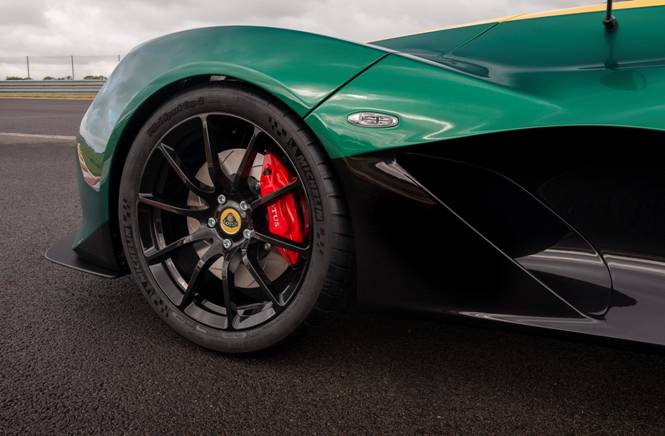
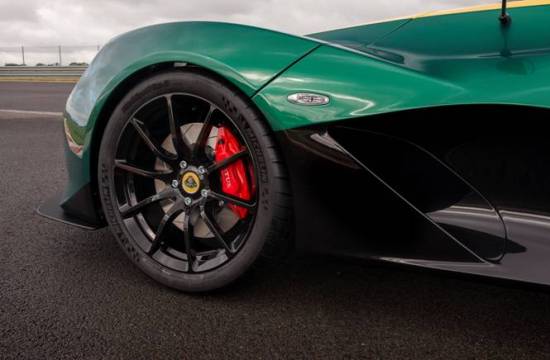
Lightweight forged aluminium wheels are fitted as standard on the 3-Eleven, with either Michelin Pilot Super Sport or Michelin Cup 2 tyres depending on if it’s in Road or Race configuration.

At the front 225/40 ZR18 tyres are standard, and to help transfer the 3-Eleven’s considerable power and torque to the road, the rear tyres have been specified as 275/35 ZR19.

In order to deliver the stopping power required for such a quick car, AP Racing four-piston calipers are complemented by two-part grooved and vented brake discs (332 mm front and rear). Upgraded brake pads are fitted to the Race version.

Exterior Design

  • Lightweight body panels, using new resin infusion composite technology
  • Dramatic silhouette underlines car’s performance-focused nature

Manufactured from very light weight composite materials, optimising vehicle weight, aerodynamic and structural requirements, the 3-Eleven’s composite body is 40% lighter than the GRP equivalent.

This new process is a first for a production car, and an example of Lotus’ focus on using new technology and lightweight materials in its vehicles. The choice of material technology has allowed extreme vehicle performance targets to be met, and help realise the 3-Eleven’s dynamic styling.

Undeniably a track car, the 3-Eleven’s aggressive stance leaves no doubt of its intentions. The dramatically sculpted body perfectly balances the technical efficiency of a track car with the surface refinement of a road-going supercar. Form follows function, with a minimised cross sectional area that keeps drag to a minimum while optimising cooling.

As an extreme design evolution of Lotus predecessors, the Lotus 3-Eleven’s new front clam shell incorporates larger openings to deliver the necessary cooling for the powertrain and transmission. This helps give the vehicle a much more aggressive stance.

Two front splitter configurations are available, depending on whether the vehicle is configured for road or race use, and the front arches are wide enough to cover the car’s wide track and the new 225/40 ZR18 tyres.

Dramatic side scallops provide a clean exit from the front wheels arches, and the car’s profile is dominated by an aerodynamically significant roll bar cover. The car is without a windscreen and doors, with the roll bar fully enclosing the rear cage. As well as generating downforce, the roll bar forms a vital part of the car’s homologation to international motorsport safety standards.

The rear clamshell emphasises the aggressive stance of the car, with different fixed spoilers available, depending on whether the vehicle is specified for road or race use.

The new rear diffuser and under-tray, which has been developed to ensure minimum drag, complements an exhaust system designed specifically to minimise back pressure and enhance engine performance.

Interior Design

  • Focused race interior
  • New race spec colour TFT instrument cluster can be switched between road and track modes

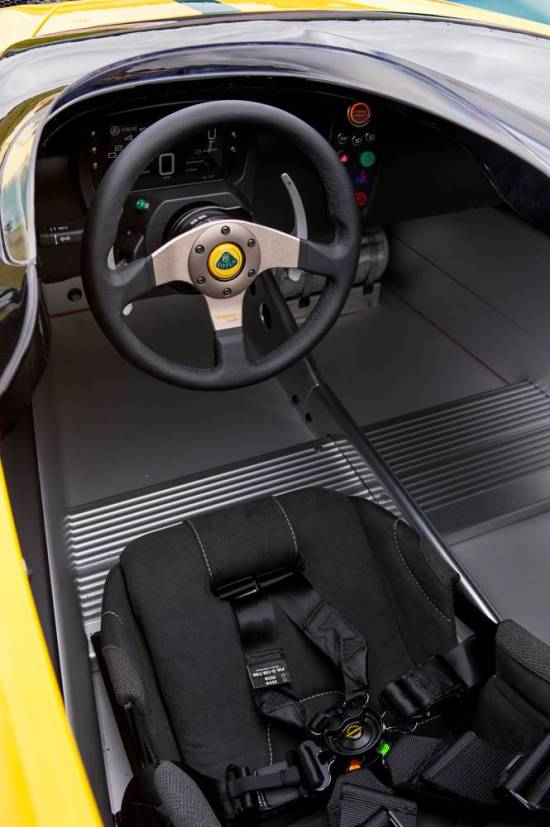
Fitted with the standard aeroscreen and the optional passenger seat, a passenger can be easily accommodated in the two seater. However, these can be removed and the optional tonneau panel fitted – to envelope the driver and improve overall aerodynamics.

The new instrument cluster has been designed around a colour TFT screen, and can be switched between road and track modes, providing relevant information direct to the driver.

A quick release steering wheel and Lotus sports seats with four-point harnesses are fitted as standard, while the Race variant has the option of a data logger system, FIA approved driver’s race seat, and six-point harness – as well as a fire extinguisher and battery kill switch.
 

lotus_260615_07

McLaren to honour race winners at Goodwood this weekend


McLaren_F1_GT_Silver_3968
McLaren_F1_GT_Silver_Cross-cabin interior McLaren_F1_GT_Silver_Head On


The Festival of Speed will see a collection of McLaren models, displayed statically at McLaren House, adjacent to the famous Goodwood House, and in the Supercar Paddock prepared by McLaren Special Operations (MSO).

The bespoke arm of McLaren Automotive has prepared models from the Sports Series, Super Series and Ultimate Series, the three newly-announced model tiers. Each of these celebrate this year’s Festival of Speed ‘Flat-out and Fearless’ theme, highlighting a milestone or ‘moment’ from the history of McLaren, and honouring some of the legendary drivers who have driven for the team over the years.

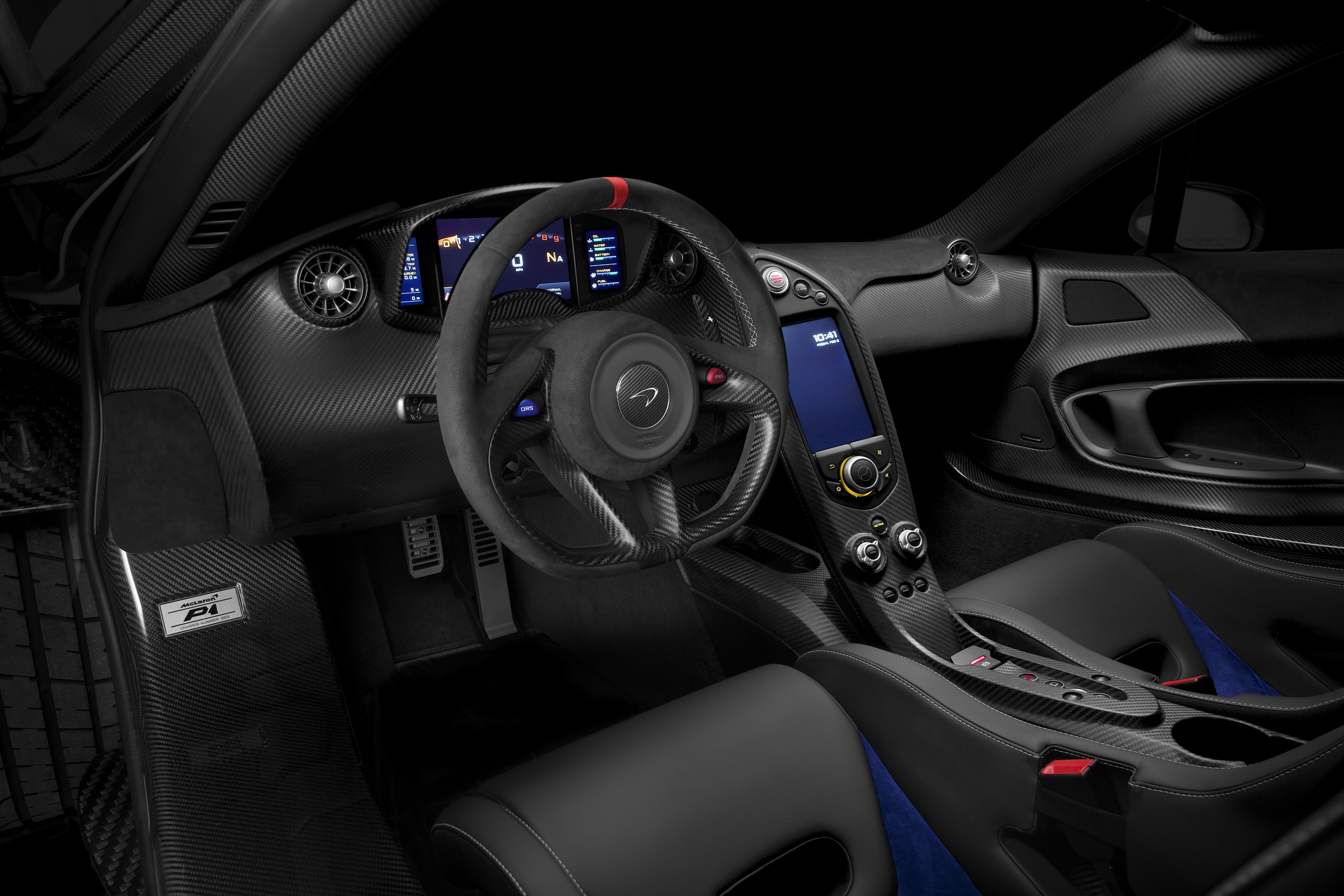
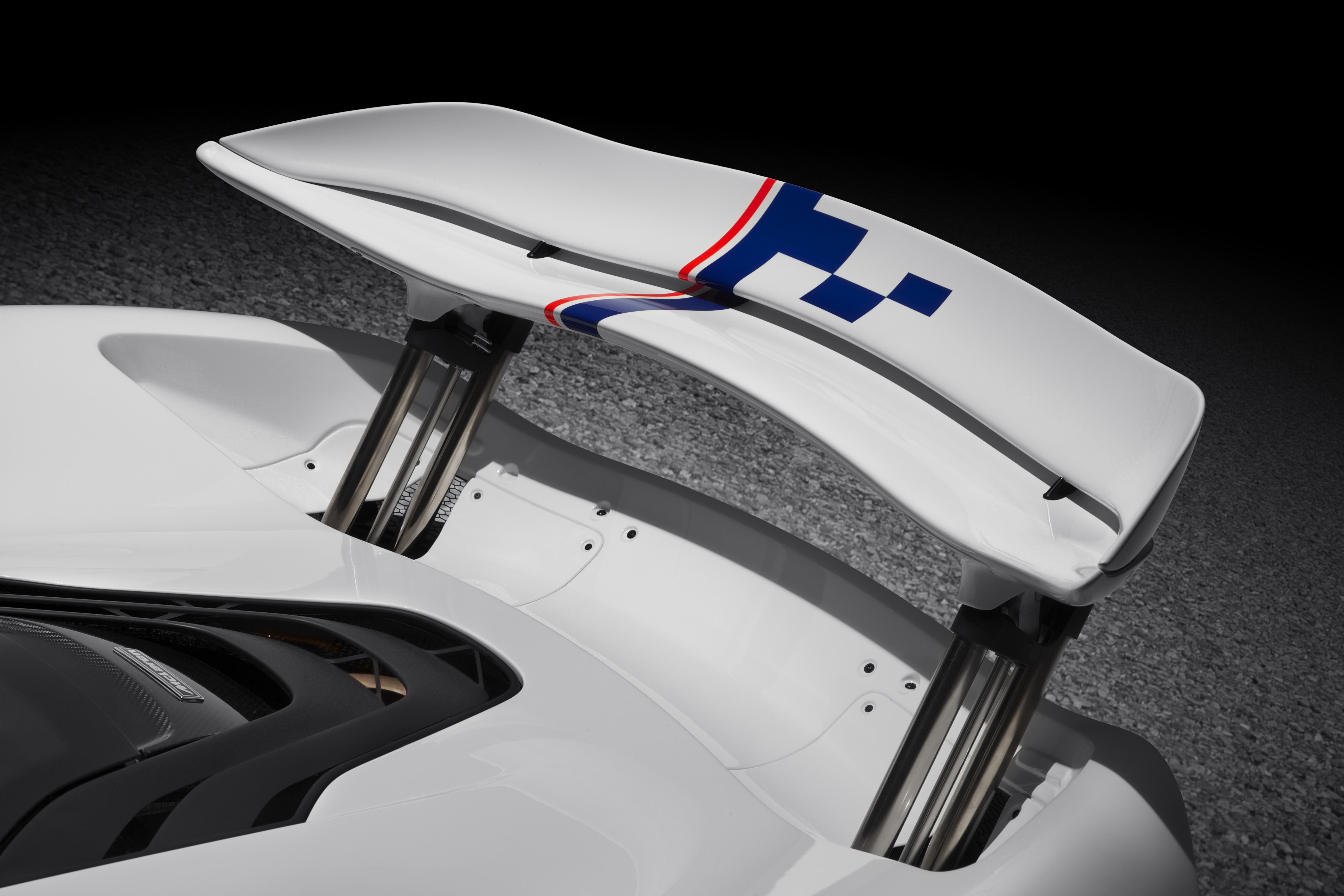
The Ultimate Series is represented by the McLaren P1 (pictured below and bottom) with inspiration drawn from the patriotic French livery of the helmet worn by four-time Formula 1 world champion, Alain Prost. Colour-matched to the famous design, the carbon fibre bodywork of the Prost-themed McLaren P1 is white with blue graphics and red highlights.

P1 Prost Front 3_4 P1 Prost Front P1 Prost Interior Dash P1 Prost Interior Seats


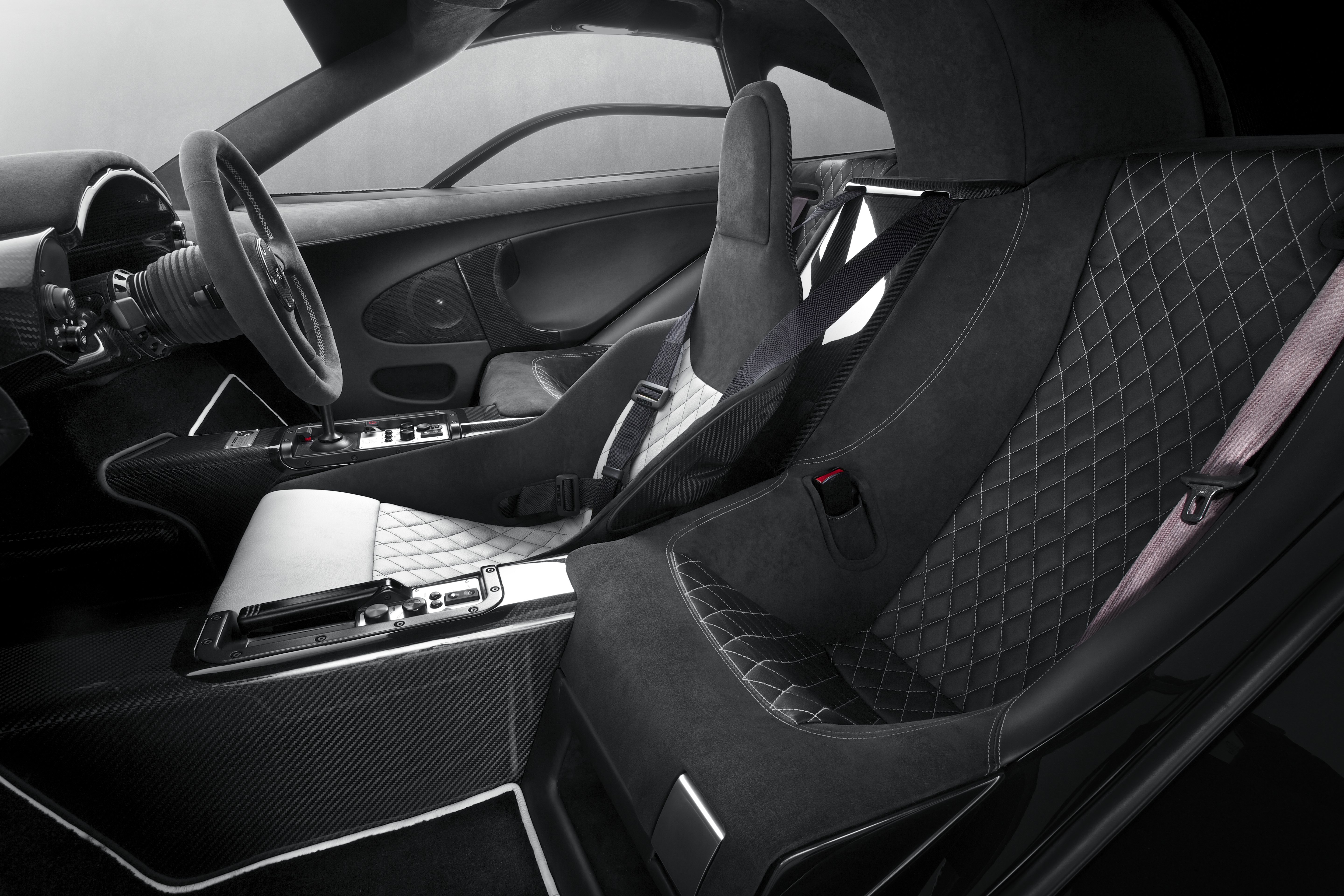
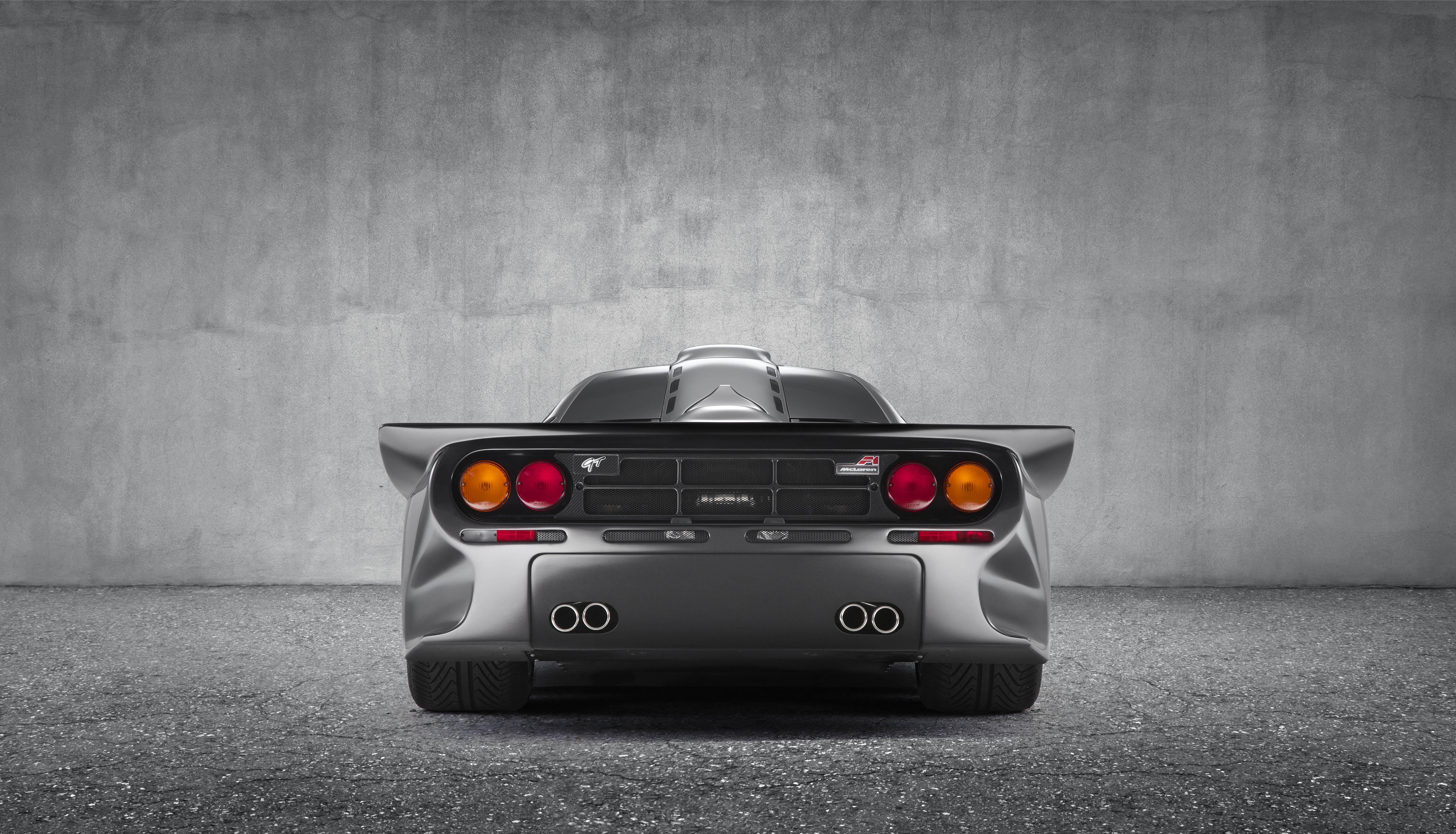
Representing the Heritage division of MSO is one of the rarest McLaren roadcars ever built, the McLaren F1 GT. Kindly loaned to McLaren for display at Goodwood, chassis #58F1GT is one of only three examples, designed and built to homologate the McLaren F1 GTR ‘Longtail’ for GT racing during the 1997 season. The livery echoes the famous monochrome design of the Formula 1 team during the late 1990s, driven to back-to-back world titles by Finnish racing driver Mika Hakkinen in 1998 and 1999.

McLaren_F1_GT_Silver_Seats interior McLaren_F1_GT_Silver_Tail-on Low McLaren_F1_GT_Silver_Tailight badge detail McLaren_F1_GT_Silver_Wheel detail


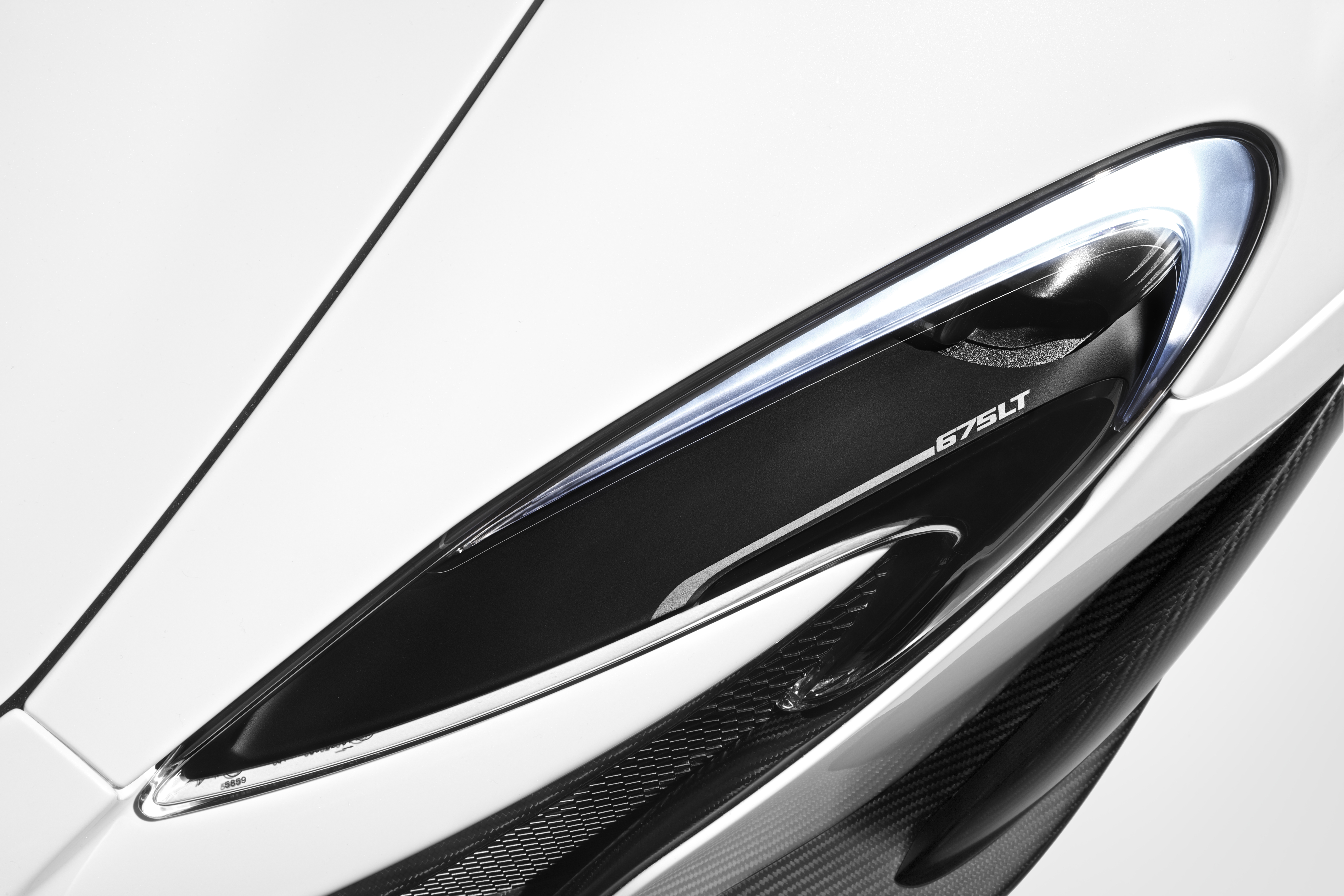
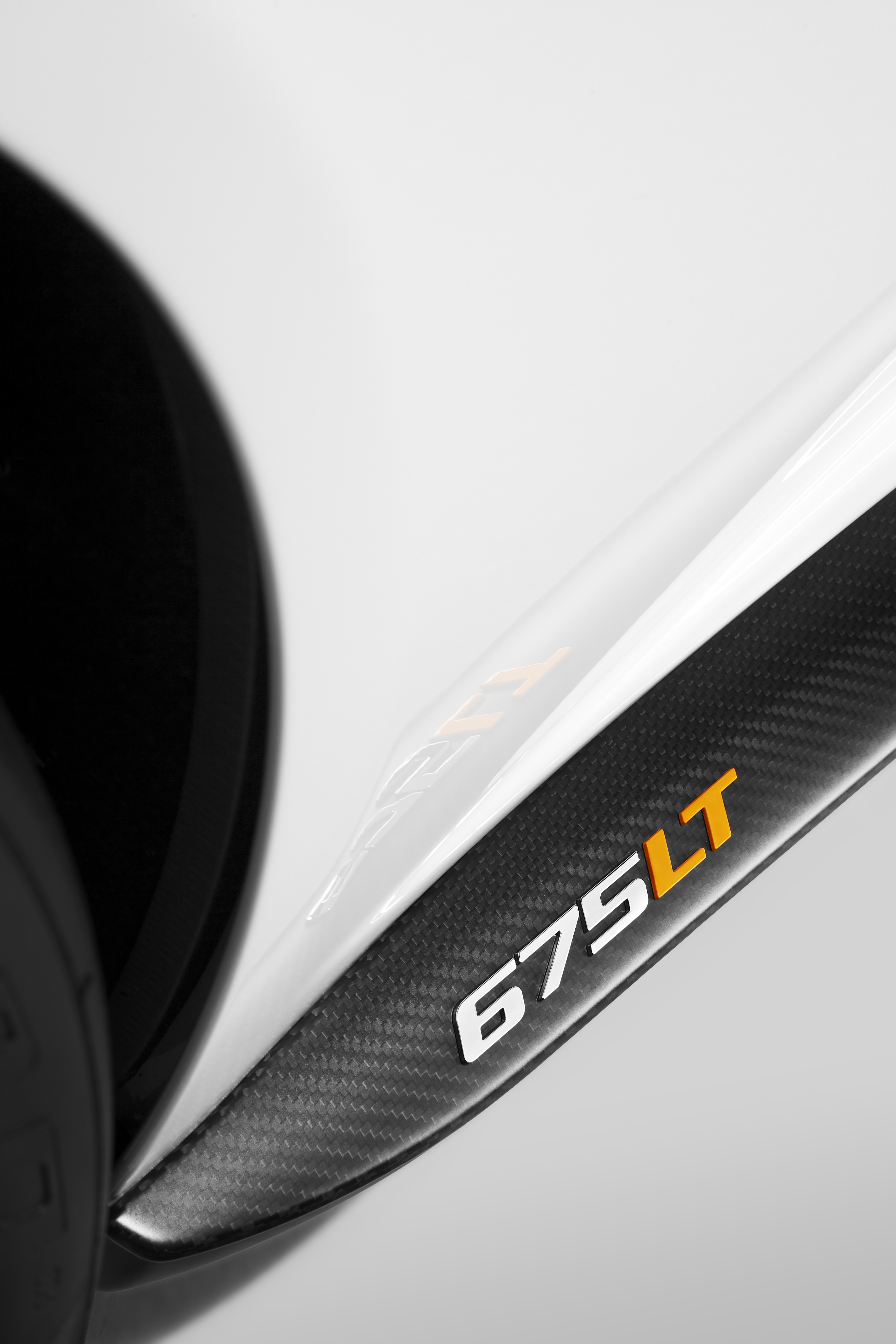
The Super Series models at McLaren House honour one of the most successful racing partnerships of the 1960s; that of Denny Hulme and the company’s founder Bruce McLaren. The pairing enjoyed success together in Formula 1 and the Can-Am series, which became known as the ‘Bruce and Denny Show’ as a result of their dominance. Denny Hulme is celebrated with the design of the limited-run 675LT. The Formula 1 and Can-Am champion’s iconic helmet design is the inspiration for the livery with two black stripes, running front to rear, over contrasting Silica White bodywork. Yellow tinted headlamp lenses echo Hulme’s visor.

The 650S Spider completes the model line-up on static display within McLaren House. As the core model in the Super Series, it is fitting that this honours the founder of the team, Bruce McLaren. Finished in the iconic heritage McLaren Orange to match his M7A Formula 1 car in which he claimed the first Formula 1 win for the team in 1968, at the famous Spa-Francorchamps circuit.

The McLaren F1 GTR victory at the 24 Hours of Le Mans in 1995 is the subject of the fifth and final ‘McLaren Moment’, and the two models on public display in the Supercar Paddock pay homage to the two podium finishers.

The limited edition 650S Le Mans is inspired by the McLaren F1 GTR, #01R, driven by Yannick Dalmas, JJ Lehto and Masanori Sekiya to overall race victory. Finished in Sarthe Grey, the development example of the coupe-only model, named ‘XP1’, includes a roof-mounted snorkel, front wing louvres and a wheel design which draw inspiration from the iconic race winner.

Lining up alongside the 650S Le Mans will be the McLaren P1 GTR, wearing the iconic yellow and green livery reminiscent of McLaren F1 GTR chassis #06R, which finished third at the hands of British trio Derek Bell, Justin Bell and Andy Wallace. The two models will be joined by the new McLaren 570S which makes its global dynamic debut on the famous Goodwood Hill over the course of the weekend.


P1 Prost Rear 3_4 P1 Prost Rear P1 Prost Wheel P1 Prost Wing

Someone worth following…

JJP_4430 logo


Jonathan Jacob shoots for various automotive titles, producing different articles and emphases on the story. Sometimes the car is the main lead, at other times the owner is just as much a part of the story.

One such article can be found in the Reader Restoration section of Practical Classic magazine. A recent owner is more widely known for his comedy and music act than that of a car restorer. With over 25 cars to his restoration credentials Robin Colvil (pictured above) is more commonly known as one of the founding members of the group, The Grumbleweeds.

Linger over the photo at the head of this story. “This was going to be one of those shoots that wouldn’t fail to leave a lasting impression,” says Jonathan..

Also have a look at Jonathan’s blog and second site.

Vulcan prepares for take-off

Aston Martin Vulcan_01 Aston Martin Vulcan_02

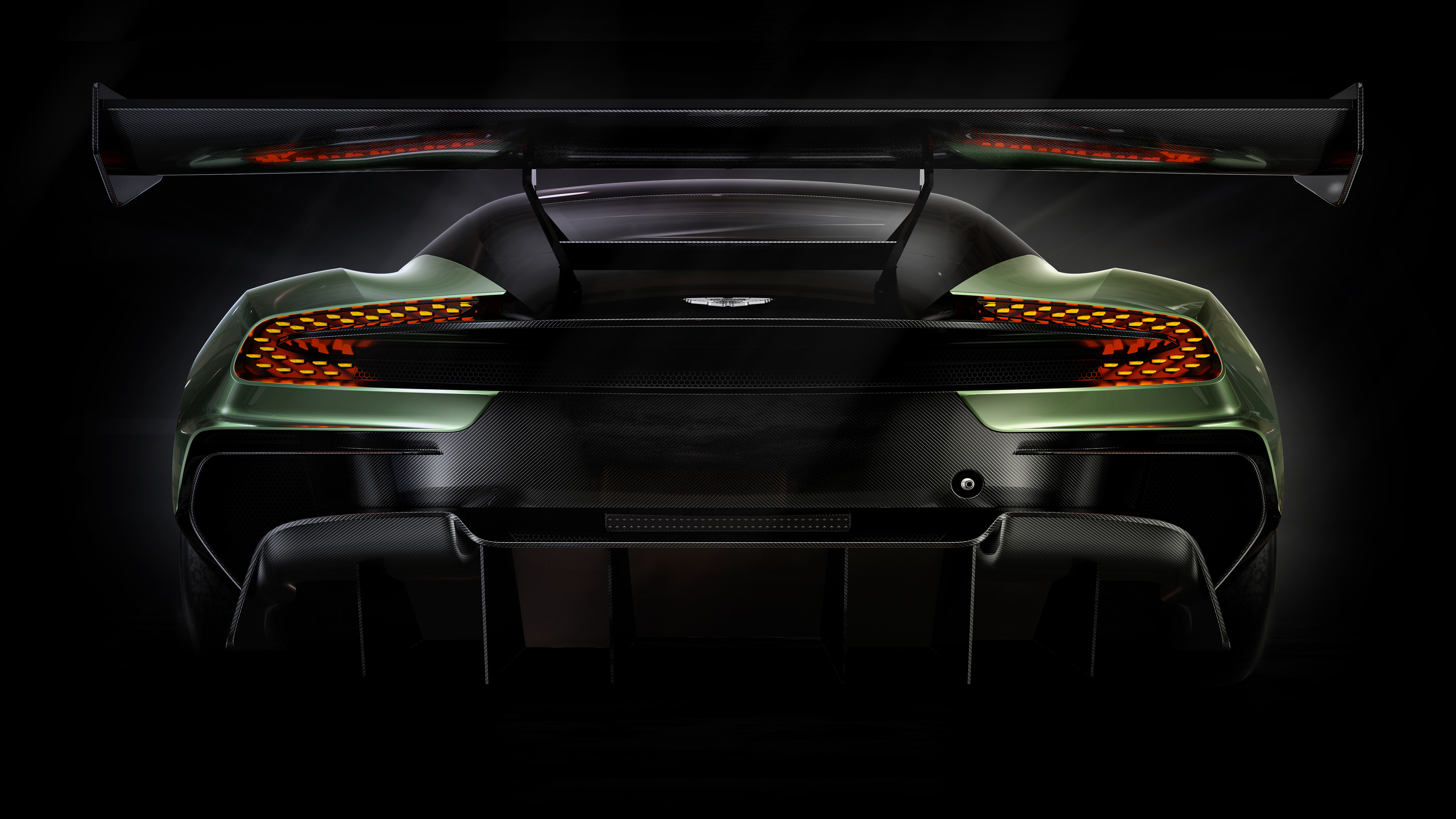
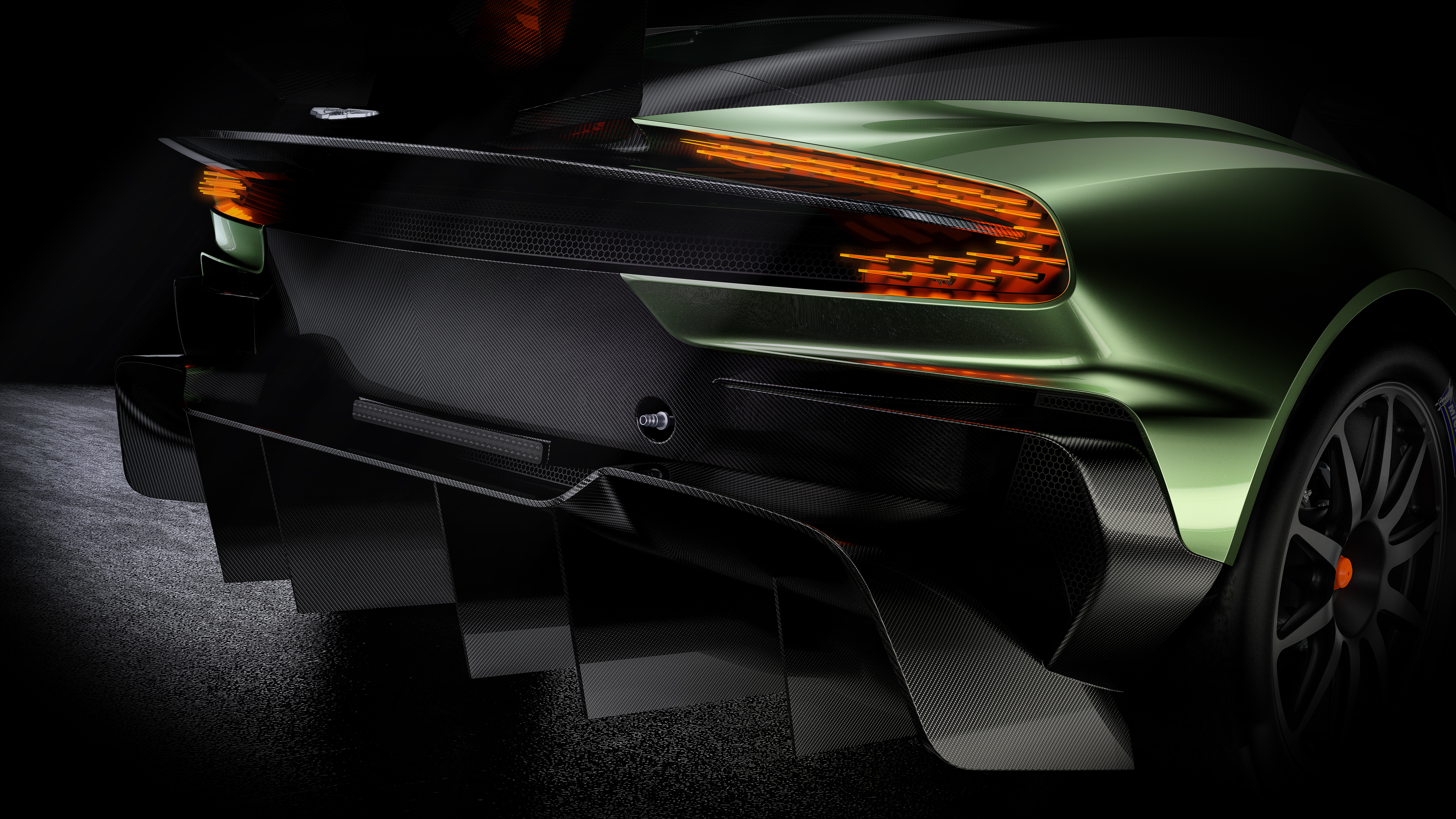
Also at Geneva is the Aston Martin Vulcan – a track-only supercar and the British luxury brand’s most intense and exhilarating creation to date. One kids one not, even after experiencing the McLaren. This beast makes it difficult not to call up every motoring cliche you can think of.

Born out of extensive motorsport experience – and using the brand’s acknowledged flair for design and engineering ingenuity – the 800-plus bhp, all-carbon fibre Aston Martin Vulcan promises truly extreme performance.

Sadly, one hasn’t been able to test this out.

However, uniquely for Aston Martin, the new supercar – limited to just 24 examples worldwide – will allow owners the opportunity to precisely tailor their track day experience through a graduating scale of detailed power and dynamic performance adjustments.

Says CEO, Dr Andy Palmer:

“Aston Martin Vulcan is, by its very nature, a rare and thrilling supercar. Designed and engineered to deliver a genuinely bespoke driving experience that draws on our rich heritage, this car tailors its power and handling to both the capabilities of the driver and the characteristics of the track.

“A sports car for true sports car lovers, I believe the Aston Martin Vulcan – and the unique ownership programme that sits behind it – sets a whole new standard in the ultra-high luxury supercar class.”


Aston Martin Vulcan_03 Aston Martin Vulcan_04 Aston Martin Vulcan_05


Motorsport-inspired

Styled entirely in-house by the Aston Martin design team led by chief creative officer (great title) Marek Reichman, and with a design language hinting at the next generation of Aston Martin sports cars, this supercar is powered by the most potent iteration yet of the company’s naturally-aspirated, 7.0-litre V12 petrol engine.

With its 800-plus bhp powerplant developed in conjunction with Aston Martin Racing, this front mid-engined, rear-wheel drive sports car draws extensively on the brand’s rich GT motorsport experience.

However, the supercar sees its power-to-weight ratio exceed those of the GTE cars which compete in the FIA’s annual World Endurance Championship.

Comprising engineering which includes that sourced from the brand’s successful GT racing campaign, the car features a carbon fibre monocoque and body constructed by Aston Martin’s long-term specialist body engineering and manufacturing partner, Multimatic – an integral limited-slip differential, magnesium torque tube with carbon fibre propeller shaft and Brembo racing calipers act on carbon ceramic racing disc brakes which measure 380mm in diameter at the front and 360mm at the rear.

Drive is channelled to the 345/30 x19 rear wheels – and Michelin race-specification tyres – through a race-bred, rear mid-mounted Xtrac six-speed sequential shift gearbox.

Track-derived pushrod suspension with anti-dive geometry is complemented by Multimatic’s Dynamic Suspension Spool Valve (DSSV) adjustable dampers and anti-roll bars front and rear, driver-adjustable anti-lock braking, and variable traction control.

The new track car will comply with all relevant FIA race safety requirements – of course.

Aston Martin’s director of special projects and motorsport, David King, takes up the tale:

“Taking the extensive learning from our various successful racing programmes and applying it to this exceptional track car for customers has been an exciting and sometimes challenging task for the team here at Gaydon.

“Our deep and broad motorsport experience, allied to our road car expertise has allowed us to make the Aston Martin Vulcan the absolutely compelling proposition it is today.”


Aston Martin Vulcan_06 Aston Martin Vulcan_08 Aston Martin Vulcan_09


Fast-track training

No fear of understatement there, then.

Prior to taking delivery of their cars, owners will be offered the opportunity to take part in an extensive and detailed programme of intensive track driver training. Compulsory I’d have thought. When I took delivery of one of the first Golf 16v GTis in 1990 I was offered a £350 training day and realised then this should be a vital element for anyone driving a vehicle of this power. In the biking world, Kent’s roads are strewn with the torsos of middle-aged men who thought they could handle the incredible acceleration of today’s road-legal power bikes.

I’m told experienced racers, including Aston Martin Racing’s Le Mans-winning Darren Turner, will support owners on their ‘learning journey’, offering them the chance to refine their track driving technique and increase their ability through a carefully-constructed series of practical and theoretical driver training events.

Using a number of high performance Aston Martins including the V12 Vantage S and One-77 road cars and the Vantage GT4 race car, customers will gradually build experience and develop their track technique, before beginning their personal journeys into the immense performance potential of their Aston Martin Vulcan.

Adds David King: “We will be running a series of exclusive track day events commencing in 2016 that will offer the opportunity for these customers to explore their driving capabilities, and the car’s performance potential, on some of the world’s most famous and glamorous race circuits.”

There will also be the option of time in the virtual race car world of Darren Turner’s Base Performance Simulators, where buyers will have ample opportunity to further refine their driving style in the safety of the digital race track.

No longer the exclusive preserve of Formula 1, it is widely acknowledged that using a simulator can help prepare a driver for any race; improving technique and consistency as well as, ultimately, lap times.

Well, yes, that’s the theory.


Aston Martin Vulcan_10 Aston Martin Vulcan_11

McLaren 675LT: power is a beautiful thing

McLaren 675LT_studio_01 McLaren 675LT_studio_02


The McLaren 675LT will make its world debut on 3 March at the 85th Geneva Motor Show with a clear focus on performance, light weight and ultimate levels of driver engagement – all key attributes of a McLaren ‘Longtail’.

Offered as a Coupé only, the 675LT will be the most track-focused, yet road legal, model in the McLaren Super Series with an impressive power to weight ratio. A sprint from 0-100 km/h (0-62 mph) took just 2.9 seconds. The 200 km/h barrier was broken in 7.9 seconds, achieving a top speed of 330 km/h (205 mph).

The first images of the car demonstrate a more aggressive look for the McLaren brand than has been seen before. Styling cues run from the extended carbon fibre front splitter, through an extended door blade and additional cooling intake, to the circular twin titanium exhaust pipes, giving a hint to the performance available for the most powerful and lightest model in the McLaren Super Series.

The active ‘Longtail’ Airbrake is 50 per cent bigger than the one fitted to the 650S yet, due its carbon fibre structure, is actually lighter. This is just one of the enhancements that add up to a dry weight of just 1,230kg.

More than 50 per cent of parts have been changed in the 3.8-litre V8 engine to deliver increased levels of power, torque and driveability. Upgrades include new, more efficient turbos, detail design changes to the cylinder heads and exhaust manifolds, new camshaft and lightweight connecting rods, and a faster-flowing fuel pump and delivery system.

These changes are so significant, that the engine unit receives a new, unique code – M838TL. The low weight, low inertia power unit produces, as the name suggests, a power output of 675PS and a power-to-weight ratio of 549PS per tonne.

The 675LT is road legal with around a third of parts modified to suit this purpose compared with the 650S Coupé and Spider that continue in production alongside it. Yet, like its iconic predecessor, the McLaren F1 GTR ‘Longtail’, from which the LT name is derived, this is a car that is as exciting to look at as it is to drive.

It also embodies the key attributes of the ‘Longtail’ ethos targeting light weight, optimised aerodynamics, increased power, track-focused dynamics and driver engagement.


McLaren 675LT_studio_03 McLaren 675LT_studio_04 McLaren 675LT_studio_05


Key to the Longtail success: light weight and aerodynamic

Despite the revised, longer bodywork, the 1997 McLaren F1 GTR ‘Longtail’ was over 100kg lighter than its predecessors. As it was nearly 20 years ago, weight reduction has been a key focus throughout the development programme for the 675LT and, in a subtle nod to its bigger brother, the result is a saving of over 100kg over the other models in the Super Series.

This saving have been achieved through the extensive use of carbon fibre for the body panels, along with lightweight engine, chassis and body structure parts. In the pursuit of minimal weight, and to suit its purposeful intent, even air conditioning has been removed, but can be specified as a no-cost option.

Below a newly designed front bumper sits a prominent carbon fibre front splitter, which works the air harder, complementing new front wing end plates to increase downforce levels over the front bodywork. The turbulent air from the front wheel arches is ‘cleaned’ as it flows towards the rear bodywork by sculpted carbon fibre side sills which run the full length of the lower bodywork.

A subtle air intake is incorporated ahead of the leading edge of the rear wheel arch, below a more pronounced side intake behind the door, both of which feed clean cool air into the side-mounted radiators.

The aero balance is optimised by the active ‘Longtail’ Airbrake which, as with the McLaren F1 GTR ‘Longtail’, is larger – 50 per cent larger than on other Super Series models. The reprofiled design flows into the lines of the new carbon fibre rear wings. Two circular exhaust pipes, forged from titanium, exit centrally through exposed bodywork below the rear wing.

Despite a more complex design, the bespoke crossover system is designed to optimise performance and reduce weight, saving 1.1kg. The rear deck and sections flanking the exhaust pipes remain exposed; designed to evacuate hot air from the engine bay as efficiently as possible, while a lightweight polycarbonate rear screen features further louvres.

A louvred carbon fibre rear bumper reduces air pressure over the rear wheels, while the rear design is completed with a dramatic integrated carbon fibre diffuser.


McLaren 675LT_studio_06 McLaren 675LT_studio_07 McLaren 675LT_studio_08


5 unique ‘By McLaren’ 675LT themes

The 675LT is offered in five ‘By McLaren’ hero specifications which includes four bespoke colours never previously offered: Silica White, Delta Red, Napier Green and Chicane Grey are all newly formulated paint hues for the 675LT. The famous heritage McLaren Orange completes the themes unique to the model. Each of the five ‘By McLaren’ specifications is complemented within the stripped out interior with carefully selected materials and colours.

The purposeful driver-focused cabin of the 675LT provides an even further indication of track potential. A pair of ultra lightweight carbon fibre-shelled bucket seats, upholstered in Alcantara as standard and modelled on those in the McLaren P1, provide comfort and support with no compromise on overall weight. A subtle 675LT logo features on the headrest of each seat, and is also present on the rev counter. In a change to the other models in the Super Series, the air conditioning controls are now incorporated within the intuitive touchscreen infotainment system.


McLaren 675LT_studio_09 McLaren 675LT_studio_10 McLaren 675LT_studio_11


PERFORMANCE

0-100 km/h (0-62 mph) 2.9 seconds
0-200 km/h (0-124 mph) 7.9 seconds
Top speed 330 km/h (205 mph)
Power-to-weight 549PS per tonne

ENGINE & POWERTRAIN

Engine Configuration V8 Twin Turbo/3799cc
Power 675PS (666 bhp) @ 7,100 rpm
Torque 700Nm (516 lb ft) @ 5,500-6,500 rpm
Transmission 7 Speed SSG
CO2 275g/km

DIMENSIONS & WEIGHT

Dry weight 1,230kg
Weight distribution 42.5/57.5
Length 4,546 mm
Width 2,095 mm
Height 1,188 mm


McLaren 675LT_studio_12 McLaren 675LT_studio_13

Rolls-Royce developing new car

Rolls-Royce Ghost Series II, London Photograph: James Lipman +44 7803 885275


It will be “a high-bodied car, with an all-new aluminium architecture” says the company.

That’s just about it other than what appears to be PR and marketing waffle. For example:

“This new Rolls-Royce will be Effortless … Everywhere. Many discerning customers have urged us to develop this new car – and we have listened. At Rolls-Royce Motor Cars we are uniquely focused on the desires of our customers and are driven by our own thirst to innovate. So we challenged our engineers and design team, led by Director of Design Giles Taylor, to create a different and exceptional new car…”

London to Brighton: it was flippin’ wet

Mr B looking the part

Mr B looking the part


400+ cars dating back to the dawn of motoring braved blustery – and often sodden conditions – to take part in today’s Bonhams London to Brighton Veteran Car Run.

As tradition dictates, the 118th Anniversary Run set out from Hyde Park at daybreak and headed 60 miles south through London and on to a stormy Sussex coast. For only the second time in more than half a century, this year’s route took the intrepid participants – all driving pioneering cars from the pre-1905 era ­– past Buckingham Palace and down The Mall before heading past Big Ben and over Westminster Bridge.

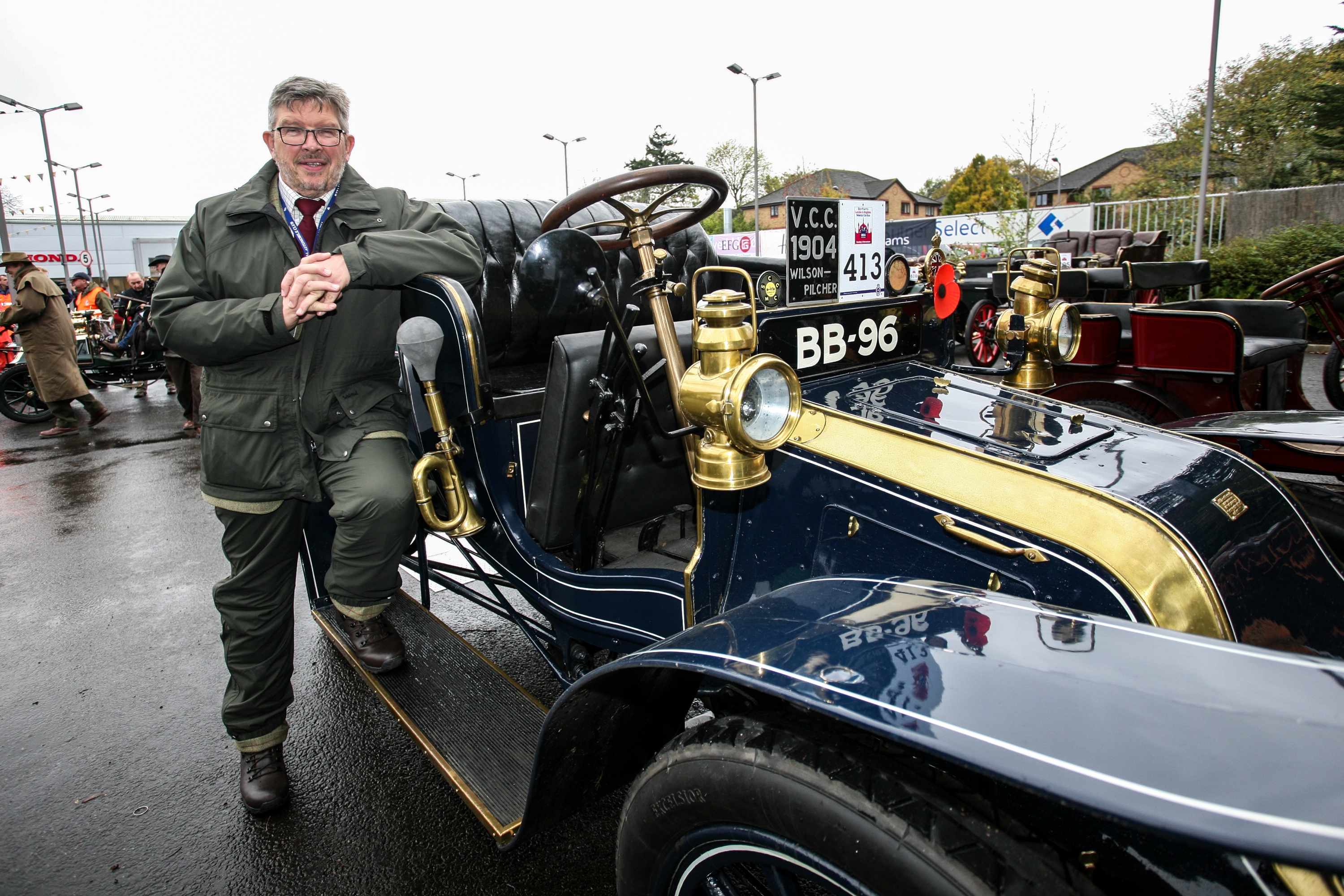
Among those turning back the clock were Sir Steve Redgrave and Sir Ben Ainslie, as well as former F1 team principal Ross Brawn and Le Mans winner Jochen Mass.

Remarkably one of the illustrious participating celebrities was in the first car to reach the ceremonial finish on Madeira Drive, as Lord Irvine Laidlaw’s 1904 Panhard-Levassor romped to the Brighton seafront with Ainslie onboard. Laidlaw is not only a Veteran Car Run regular but also a keen sailor, so it was little surprise to see the duo coping best with the challenging elements.

There was high drama for Brawn whose 1904 Wilson Pitcher – the last known surviving British built machine of its kind – had difficulties on its coast-bound run.

“It was very enjoyable,” said Brawn. “Obviously I don’t get the chance to actually drive the car in most of the automotive work that I’m involved in so that was a nice change. The mixed weather provided an extra challenge and edge but one that we enjoyed very much.

“We had a broken oil pipe just as we got to Crawley and the RAC Motoring Services volunteer patrolmen did a sterling job. They rescued us by fitting a piece of rubber pipe in the middle of the fractured one and it’s thanks to them that we got here.

“The whole thing has been wonderful fun. I’d never experienced the sheer enthusiasm for the Run before – from leaving London at that time of the morning, to driving through the villages along the way and then indeed arriving in Brighton itself. It truly has been a wonderful experience.”

Another impressive entry was the steam-powered 1888 Truchutet – the oldest car on the run – but this was one of the machines that unfortunately failed to make the finish.

McLaren P1 GTR

76677mclar-final rear

McLaren will use its presence at the 2014 Pebble Beach Concours d’Elegance to showcase its P1 GTR, in design concept form.

Conceived in response to requests from buyers of the road legal McLaren P1 for a track focused edition of its car, and available for purchase only to this group as a fully comprehensive programme to include driving events, training and vehicle support, the McLaren P1 GTR will be in production by June 2015 when the 375th and final example of the road car has been completed – two decades on from the 24 Hours of Le Mans win by the McLaren F1 GTR.

The GTR will be unveiled at the McLaren Brand Centre on the 18th Fairway at the Pebble Beach Lodge (18.00 EST on Friday 15 August – 02.00 BST Saturday 16 August).

Success for Bentley

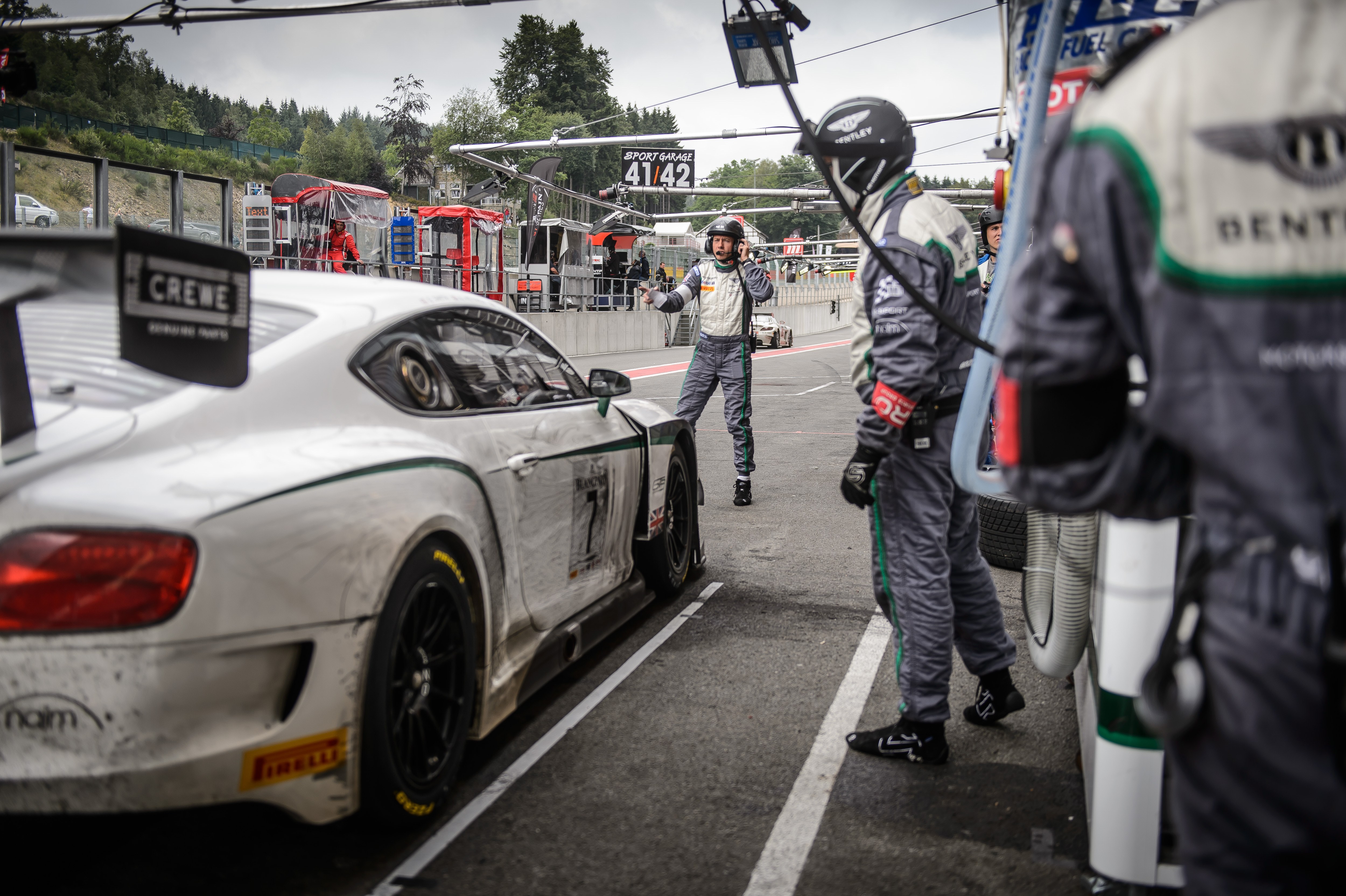
Both of the Bentley Continental GT3 cars finish the Total 24 Hours of Spa in the top 20

JL4_1020

JL4_1096


The M-Sport charging through the order

The M-Sport Bentley charging through the order


The Iceni family

834741_Magna front 34 nearside


Above: The Magna

Above: The Magna


Trident Sports Car, the British sports car brand established by Phil Bevan and Daniel Monaghan in 2005, has made its flagship Iceni – claimed to be the world’s fastest and most fuel efficient diesel sports car – available globally.

What a rear...

With a top speed in excess of 190mph and able to run for 2,000 miles on a single tank of mineral or bio-diesel, the Iceni uses torque multiplication technology (which Trident has patented) to achieve a unique combination of speed, power and fuel efficiency (by up to 20 per cent). A V8, 6.6-litre turbo diesel engine sits under the bonnet.

Two new models to the Iceni range are also unveiled today – the Iceni Magna (fastback) and Iceni Venturer (estate). Prices start at £96,000.

McLaren’s new coupe concept

75471mclar1

The bespoke division of McLaren Automotive – McLaren Special Operations (MSO) – has released images of its MSO 650S Coupe Concept – a showcase of the MSO-designed and engineered upgrades available for the McLaren 650S Coupe and 650S Spider, the latest models to join to the McLaren Automotive range.

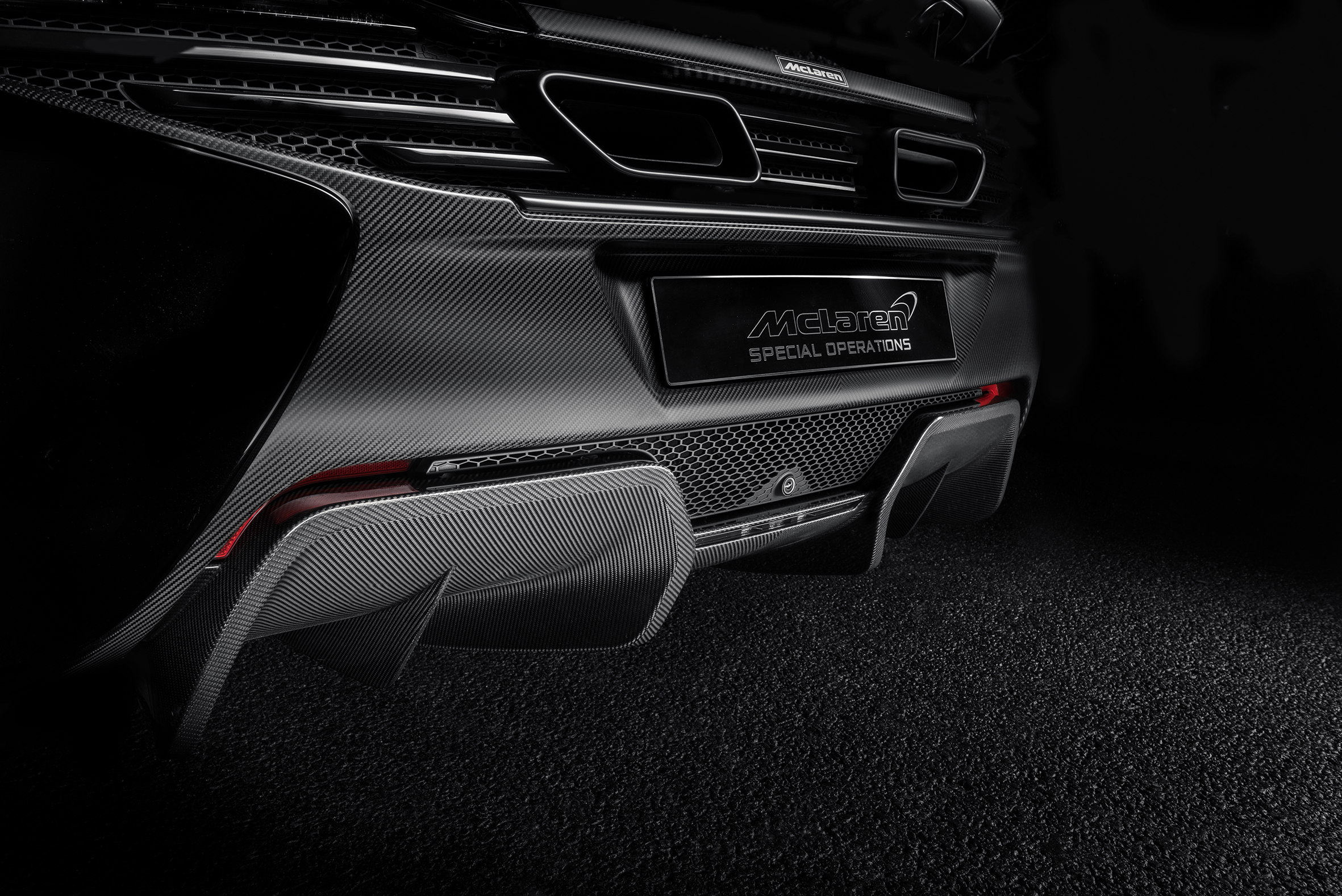
The model is being shown throughout China over the coming weeks and includes an array of bespoke MSO features, including a newly designed carbon fibre rear diffuser and MSO-branded carbon fibre side blades.

The striking MSO 650S Coupe Concept has a stealth-like, menacing appearance, with subtle upgrades made to the exterior bodywork and within the driver-focused cabin. The MSO 650S Coupe Concept is finished in Agrigan Black – a metallic black paint specially developed inhouse with a deep ruby red metallic flake.

This paint effect gives the exterior bodywork a dramatic colour change in direct sunlight, contrasting with the extensive use of satin-finished carbon fibre highlights. The lightweight carbon fibre accents, including the prominent front splitter and air intakes, are complemented by bespoke MSO carbon fibre side blades and the unique MSO ear diffuser.

75471mclar5

The MSO branded side blades are a more aggressive, full length, interpretation of the door blades seen on the 650S Coupe and Spider models. Finished in satin, they offer increased improvements to the airflow along the edges of the bodywork, further optimising aerodynamic efficiency.

At the rear, the GT3-inspired rear bumper features a carbon fibre centre section, and the lightweight material carries through to the carbon fibre airbrake and unique MSO rear diffuser. The engine bay has been further enhanced with satin black engine covers and a satin finish to all carbon fibre parts.

The purposeful exterior look of the MSO 650S Coupe Concept is finished with the addition of a set of special satin black finished lightweight 650S alloy wheels, shod with Pirelli P ZeroTM Corsa tyres.

75471mclar7

Inside the cockpit, the one-off design showcase is fitted with the fixed-back carbon fibre racing seats, based on the lightweight design found in the McLaren P1TM, finished in carbon black leather. The seats position the occupants lower in the car and provide superb levels of upper and lower body support, while offering a weight saving of 15kg.

Satin carbon fibre features extensively throughout the cabin, which is further enhanced by the switchgear and bezels that are finished in contrasting gloss black.

The MSO 650S Coupe Concept is presented as a one-off design study, and MSO is monitoring reaction regarding any potential production examples. The MSO side blades and rear diffuser are available to order now from McLaren retailers, priced at £5,114 and £7,245 respectively for a new 650S. These styling upgrades can also be fitted to the 12C.

75471mclar3

The new generation Audi A8

Unadulterated luxury is delivered with even more élan and even greater efficiency in the new generation Audi A8, which makes its debut at next month’s Frankfurt Motor Show.

The_new_generation_Audi_A8_L_W12_Audi_45974

The company’s latest flagship combines revisions to its weight-optimised, predominantly aluminium body with a raft of technological advances including new MatrixBeam LED headlights and an upgraded line-up of EU6-compliant engines.

Built around the lightweight aluminium Audi Space Frame, the almost entirely aluminium body of the new generation A8 has been finessed by subtle resculpting of the bonnet, the single frame grille, the front bumper and the lower edge of the headlight units.

At the rear, the design of the LED tail lamps has been revised and the bumper in all models (bar the S8) now incorporates two rhomboid tail pipes. New chrome elements, new high gloss black window surrounds and five new colours also mark out the updated car.

The visual appeal, visibility and active safety of the new generation A8 can also now be enhanced by new optional headlights employing MatrixBeam LEDs. The high-beam function in these unique headlights uses 25 individual LEDs per unit that can be switched on and off or dimmed individually depending on the situation.

This enables the headlight system to react extremely precisely to other vehicles while always brightly illuminating the road. When the on-board camera detects other vehicles ahead, the Audi MatrixBeam LED headlights mask the relevant sections of the high-beam by dimming or shutting off individual diodes. Very bright illumination is preserved in the remaining zones.

The lighting system in the A8 uses predictive route data from the navigation system with MMI Touch to adjust the distribution of light in response to the current driving situation, and can recognise and act on route data, such as corners and road classifications.